We Value Your Privacy
We use cookies to enhance your browsing experience, serve personalised ads or content, and analyse our traffic. By clicking 'Allow All', you consent to our use of cookies. For further details, please see our cookies policy.
We use cookies to enhance your browsing experience, serve personalised ads or content, and analyse our traffic. By clicking 'Allow All', you consent to our use of cookies. For further details, please see our cookies policy.
Q&A behind the scenes with the Panama PM:
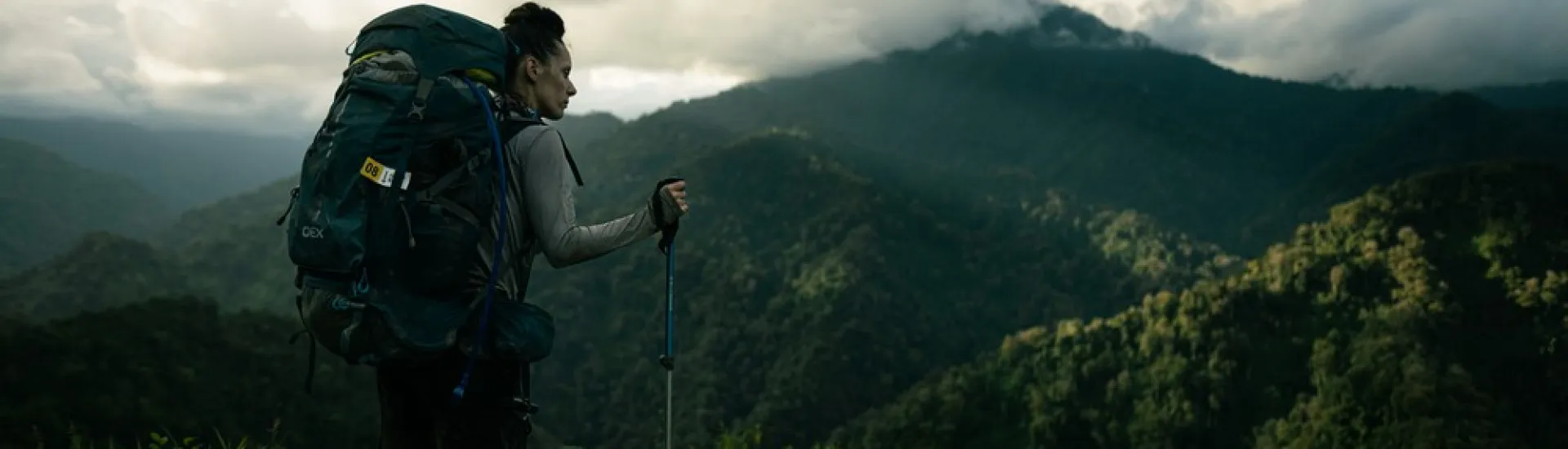
Running an event as epic as Panama Coast to Coast requires an enormous amount of behind the scenes organisation, patience, strength, compassion and stringent safety policies. We take no risks in the jungle and the PM's decision is always final. If you get to the start of the jungle stage Abbi has the ability to prevent you from going in if you are carrying an injury or some particularly nasty blisters! Intrigued to find out what it's like in that jungle as the woman in charge, to make the tough calls and what goes on behind the scenes...? Read on!
This event is broken down in to 3 stages. For the challenge to go as smoothly as possible each of the 3 stages needs to be thought about separately. The challenge is not only physical but the mental strength to get through each of the stages is what makes it difficult. Preparation is key, the jungle has the availability to level everyone whatever their background; this can be difficult to take if your ego has no humility. It is claustrophobic, there isn’t a way out and it is relentless. The participants that do well are able to get comfortable being very uncomfortable.
Do not treat it as a race, do not think if it as a ‘warm up’ to the main event, it needs consideration and training. Take the pace back, each person needs to finish the run phase feeling like their battery is still on green. Multiple times we have seen people exhaust themselves by pushing too hard or not taking the heat and humidity seriously enough.
Take the heat and humidity very seriously, slow down the pace, sort out any hot spots on feet before they become a problem, cover up from the sun, take on electrolytes and lots of nutrition. Give yourself the best chance of making it to the fringes of the jungle in top condition.
Multiple considerations need to be made as to participants welfare before entering the jungle. It no longer becomes about individuals, but the safety of the team as a whole. I am looking at each person in a rounded way, taking considerations about how well they have looked after themselves on the run days, what their personal admin is like before even looking at their overall fitness levels and feet! We need to see that they have the energy the jungle demands and that they are not depleted; there is no chance for recovery once we are in, energy only dwindles, that is why we all must start the jungle feeling as ‘normal’ as we can. Then it is over to the feet! The two days of running in the heat and humidity can destroy them when they aren't taken care of, they take a hammering. Some people seem to come out unscathed whilst others have multiple blisters.
It is then the severity and depth of those blisters that will be checked by the medics to deem if your feet are jungle ready.
It is also never as binary as blisters = out. Some people are able to cope with the pain levels of blisters more then others. Some people are still able to walk at a sufficient pace with blisters whilst others are not able to push through that. Blisters are debilitating, good foot care, a slow pace and training will get people through the run phase.
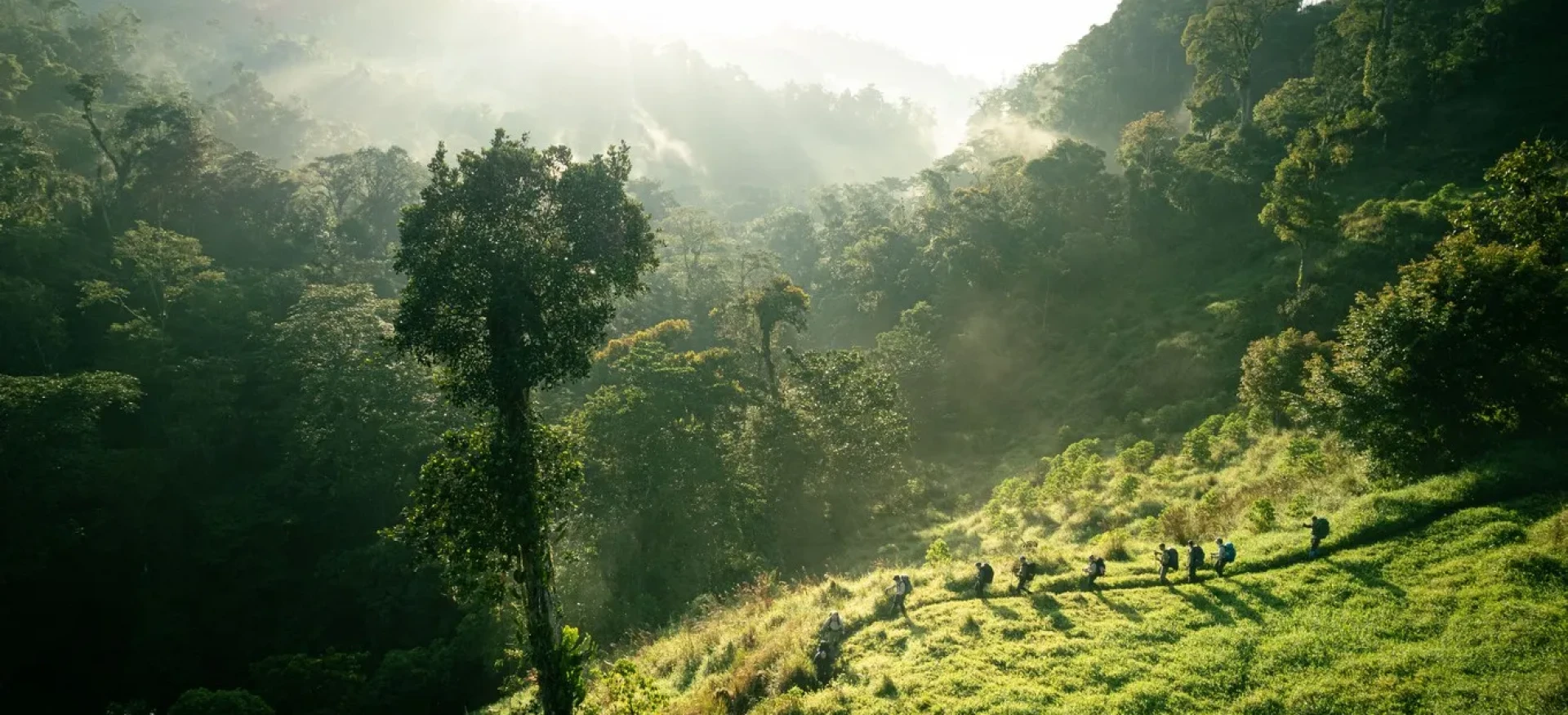
After day one in the jungle this whole process will happen once again, this is the last point that participants are able to turn back. Day one is quite exposed, it is very hot and takes us up and over the continental divide. However, it is the easiest jungle day out of the 5.5. If this day has caused excessive fatigue or the arduous nature of the ground underfoot has been difficult it would be a discussion point to head back to the luxuries of Mount Totumas and meet us at the pack raft stage.
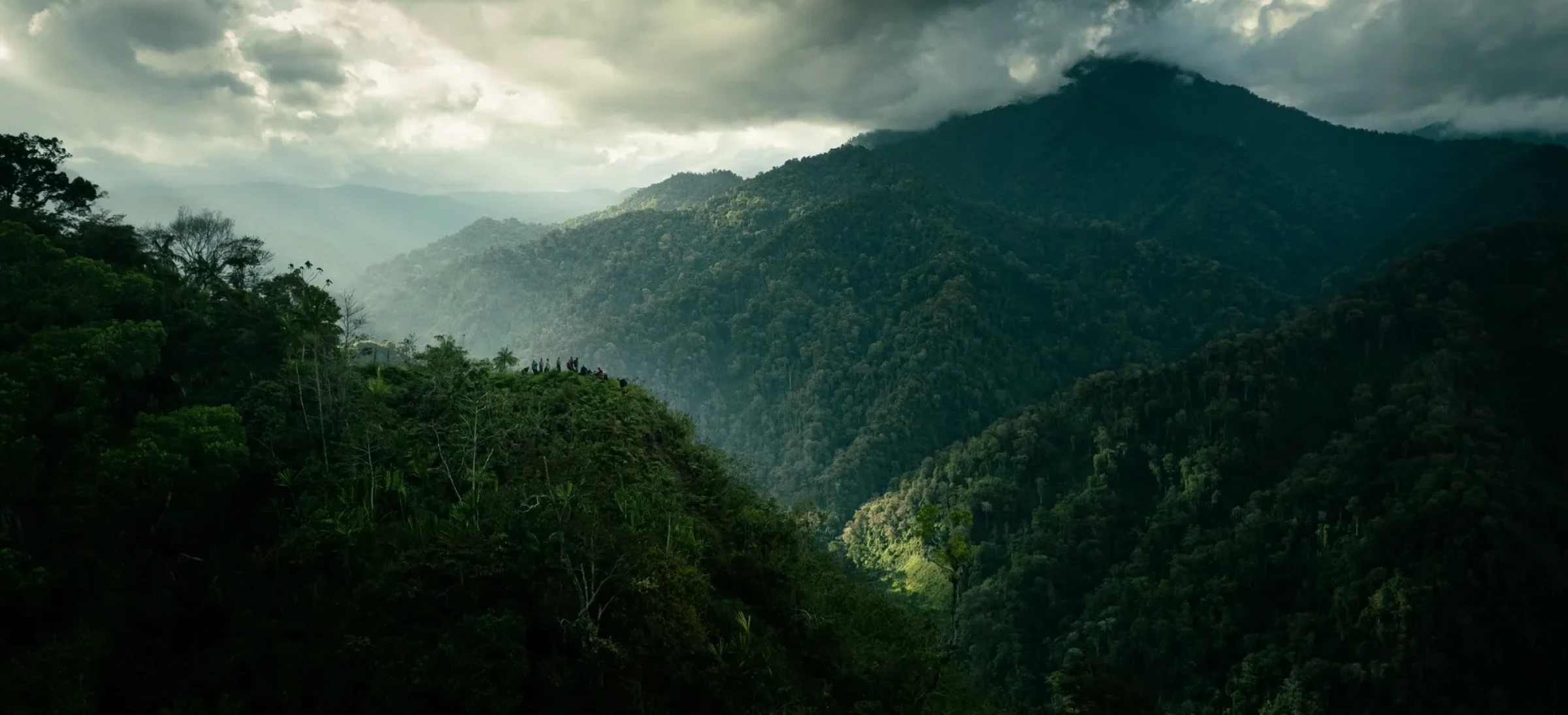
The jungle can feel relentless, like it has got a grip on you, many find this very claustrophobic, like it is never going to set you free again. This feeling can be overwhelming and can take people to some very dark places inside their heads.
It is truly a transformational experience. People come out of the jungle on the Caribbean side different people. Stronger, more self-aware and with their heads held very high.
Do NOT overpack. Take exactly and only what you need. Know where it lives in your bag. This will make everything more efficient and will keep your mind clear to focus on the trek.
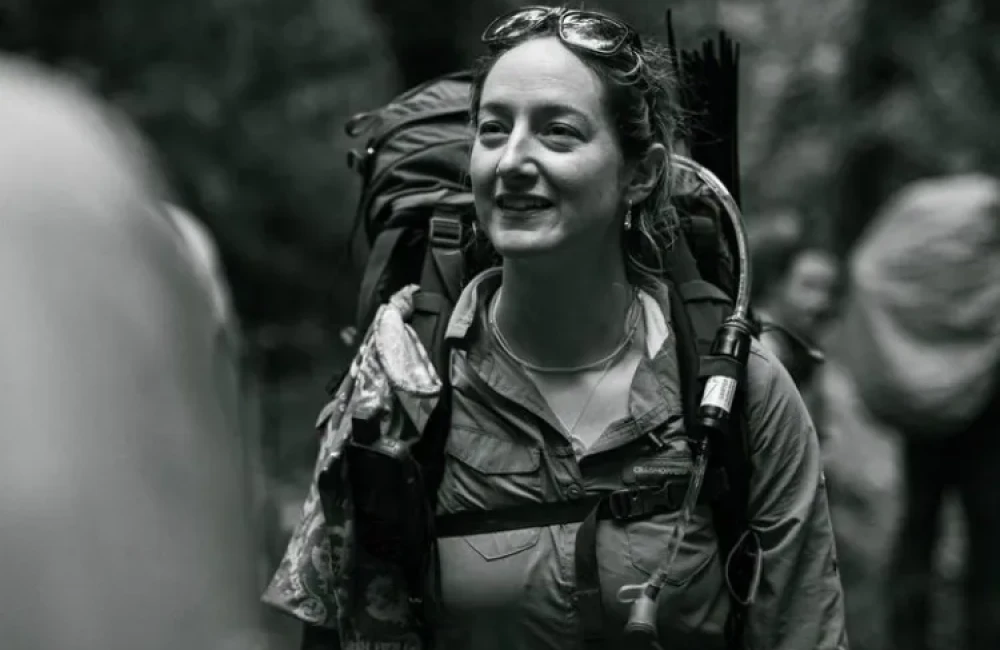
Hair oil pods! If you have long hair you need a game plan as the heat, sweat, humidity and general dirt will tangle it badly without one. I learned that lesson the hard way in year 1!
It is extremely difficult when I must tell someone they are not able to come into the jungle or to turn them back after one day. It is heart breaking each time. Knowing people have taken a huge step to sign up, they have saved and trained extremely hard for this challenge but for whatever reason they are not jungle ready. However, I always know it is the best decision for them and for the safety of the group; there has not been a single time where I have regretted my decision. I think people also know in their heart it was the right choice however hard at the time.
The jungle is an extremely austere environment, my challenge is to foresee all of the problems and safety concerns before they arise, act on them to make the trip run as smoothly as possible whist keeping each individual safe, healthy and informed. This can be mentally very draining.
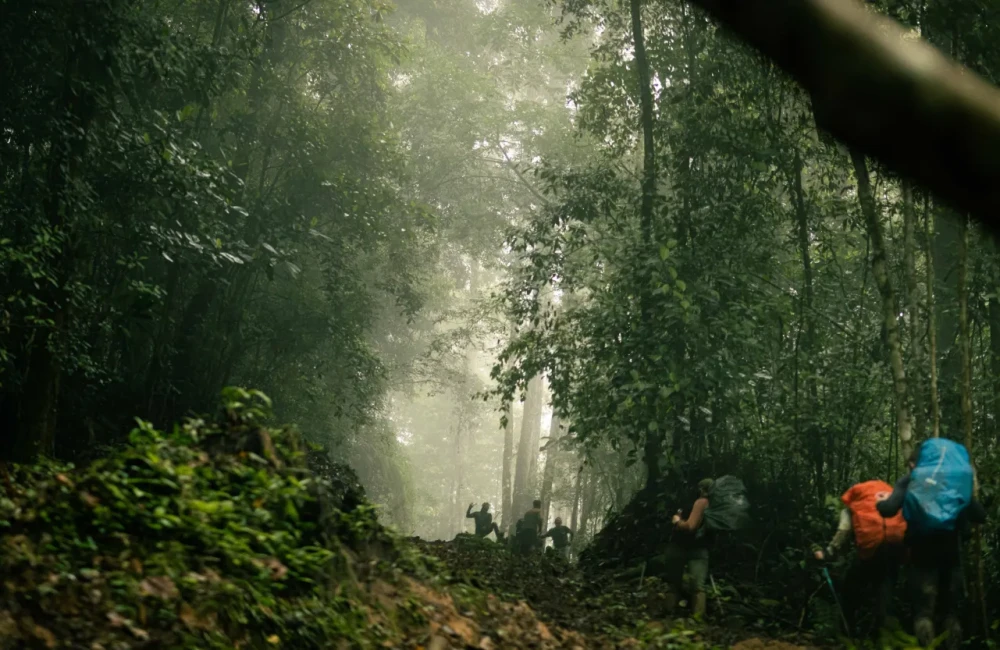
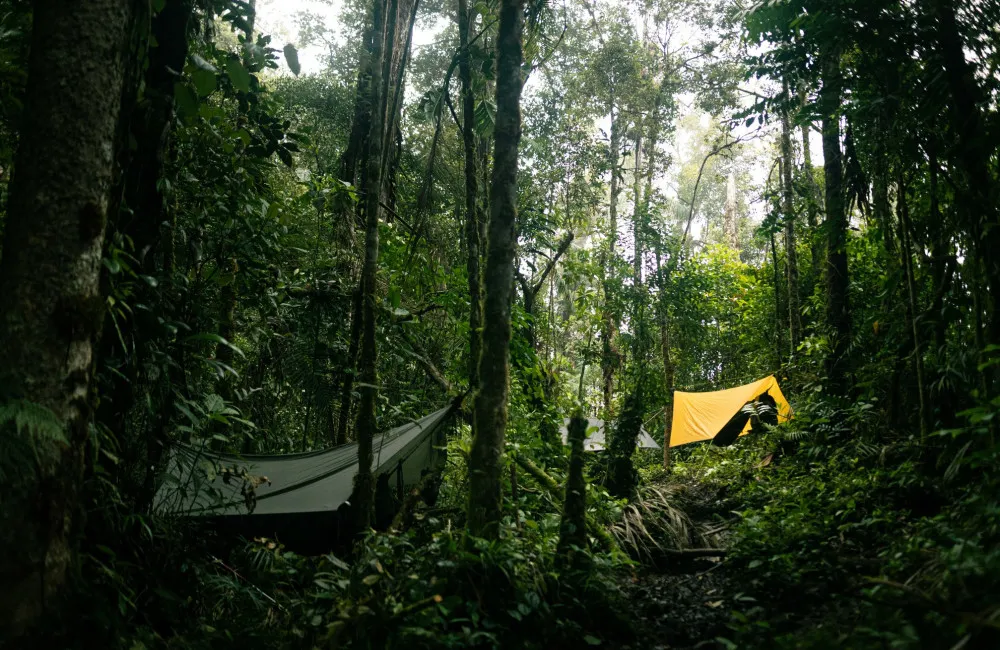
My favourite camping spot is night 2. It is the first time the team are truly in the deep depths of the jungle. It feels remote and wild.
The end! No seriously I look forward to hammocking, they can be my best nights of sleep all year, the temperature cools down at night and the jungle comes alive with sounds. It can be extremely peaceful.
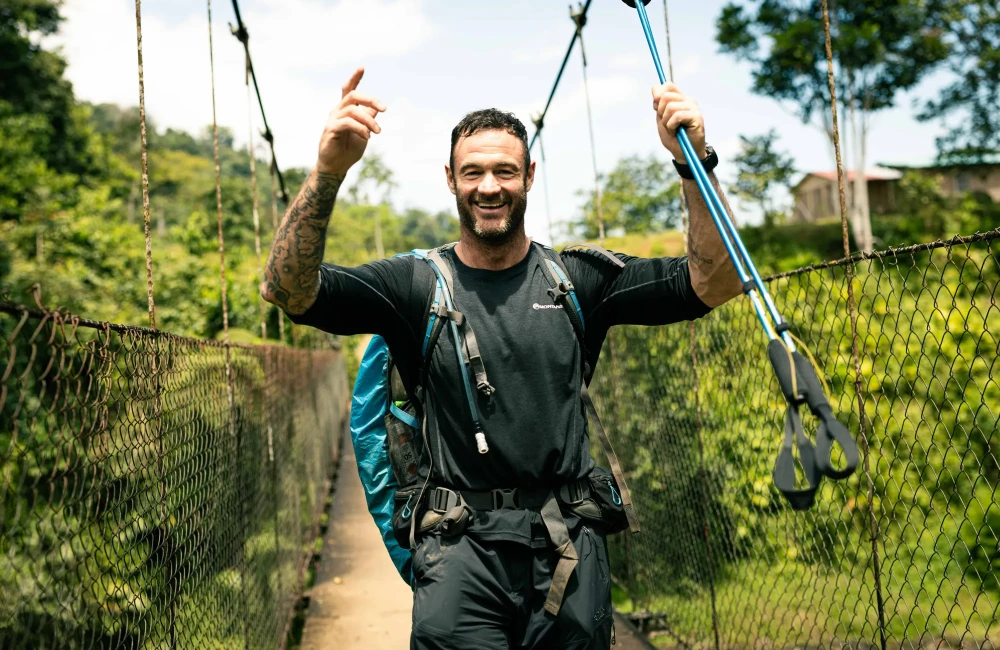
A huge relief. I walk over that bridge and feel a wave of emotion. Both relief and pride for everyone for making it through that environment.
The jungle is muddy and sweaty. The very last camp is next to the river. There is only half a day of hiking before the jungle releases the team. For the last two years everyone has cooked up their dehydrated meals on the shores of the river and has gone into the water for a refreshing dip. It feels like pure heaven and the moral is always extremely high.
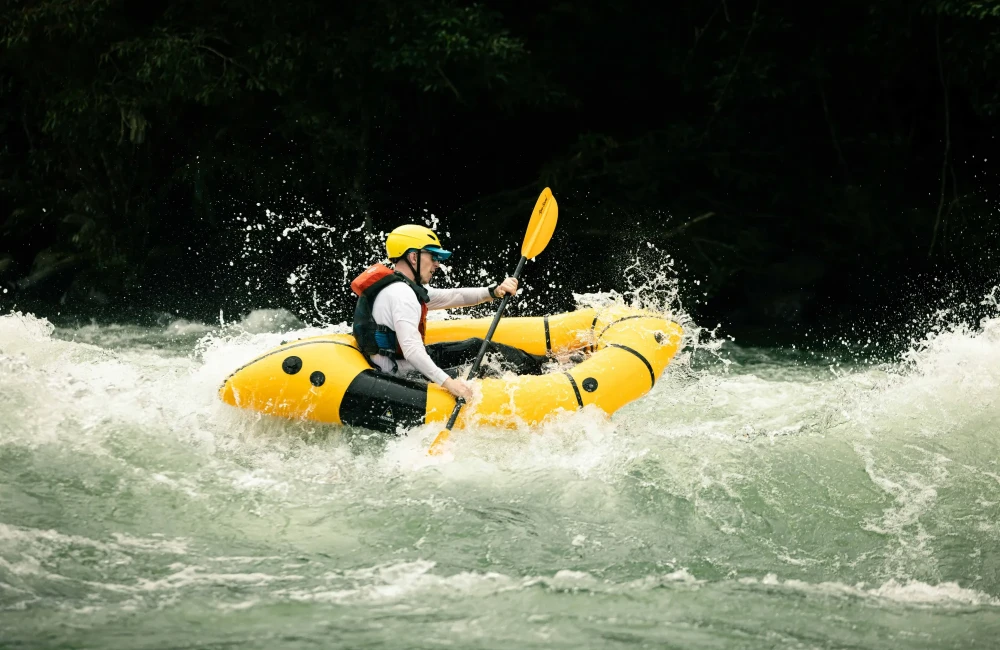
There is no experience needed to packraft. The boats are very nimble and easy to manoeuvre, the packrafting stage is expertly overseen by rafting guides plus local support of motorised dugout canoes. The rapids are all optional depending on how comfortable it feels to descend them or how much energy you have left after the jungle.
That would be a Margarita please!
If you're looking for that once in a lifetime challenge designed to strip you down and build you back up. This is it!
"Panama Coast to Coast: An event and adventure of a lifetime not to be taken lightly. There are no words that can truly describe the nine days of tarmac, jungle and water you get to experience on Panama Coast to Coast. However hard you think it might be, it's harder. However much you trained you should have done more, and however much pre-admin you did your kit could have been better. Be under no illusion this adventure race will live with you forever and provide you with a sense of achievement that will last a lifetime. The support and event staff were excellent and the location is unmatched. I urge anybody looking to test themselves beyond their limits to book this event straight away." Gary, Panama 2024
"So post Panama Coast to Coast 2024, and it is safe to say I have one of the best experiences of my life. I would say that in choosing this type of event, you have to commit a large amount of time to training and kit selection and testing. The support from Rat Race prior to and during was excellent. Abby, Dave, James and the support crews knew their stuff, and supported the whole team to achieve our own personnel goals.
Thankfully our team of adventurers were awesome and attacked the event with true commitment while keeping high spirits and fun. I would recommend Rat race and have done to anyone and everyone. I have completed over 10 events with them and would only say to you. Choose wisely, train correctly and be prepared to have a great time." Darren, Panama 2024
"Panama coast to coast is definitely a challenge that just keeps giving, it is a thing of beauty but will do everything in its power to keep it's jungle secrets close, the scenery and the people are spectacular and even though things did not go to plan for me the first attempt in 2022, it did not stop me trying again 2 years later in 2024 but for me it was not my time, so maybe in a few years time.. but I honestly cannot thank the whole of the rat race team including the photographer who's photos are just amazing, the local guides, the packrafting instructors and of course the brilliant medical staff enough for their support and encouragement, this is a challenge that makes you feel safe in an environment that is brutal.. everything is so well organised from the pre event Q&A, to kit check they are with you for the whole experience and I .looking forward to my next adventure with Rat Race thank you once again for an unforgettable experience" Amelia, Panama 2024
"I've done several Rat Race test pilots and events and all have been fantastic. My latest adventure was the Panama Coast to Coast, which is the toughest one they run. It was brutal but made achievable by the incredible support and guidance the team provided - in helping us prepare beforehand as well as on the ground during the event. I think we got value for our money (organisation, non jungle accommodation and food were excellent) and we met some truly inspirational people. It was an unforgettable experience and doable if you are prepared to put in the hours for pre trip admin and training." Vicky, Panama 2023
"Having just completed the Rat Race Panama Coast to Coast, I would say this has been one of the highlights of my life. Just an incredible journey and would highly recommend doing if you ever have the chance. Jim and his team were incredible in a well organised trip of a lifetime. If there was one challenge I would recommend, it would be this.
Thank you so much, all of the Rat Race team for putting this adventure together." Mike, Panama 2023