What’s the weather like?
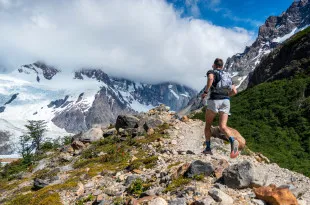
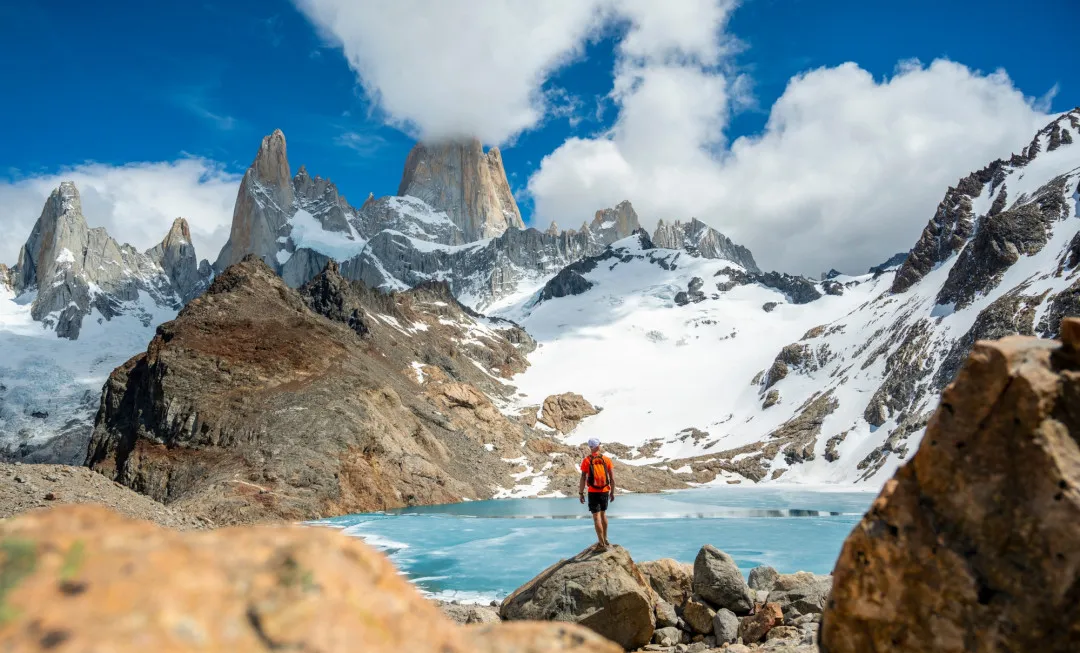
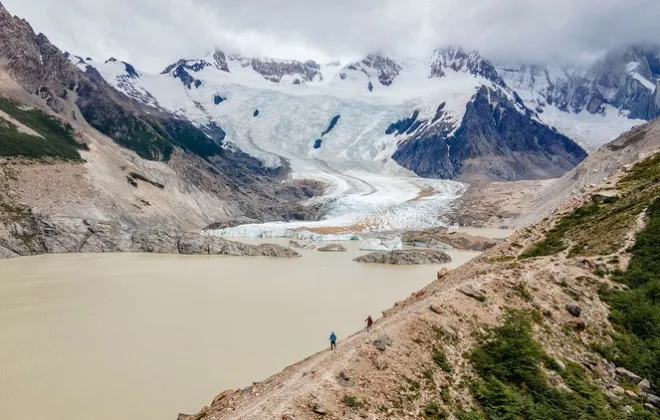
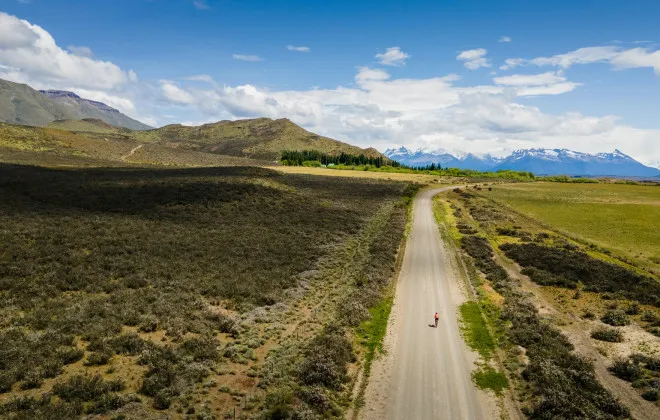
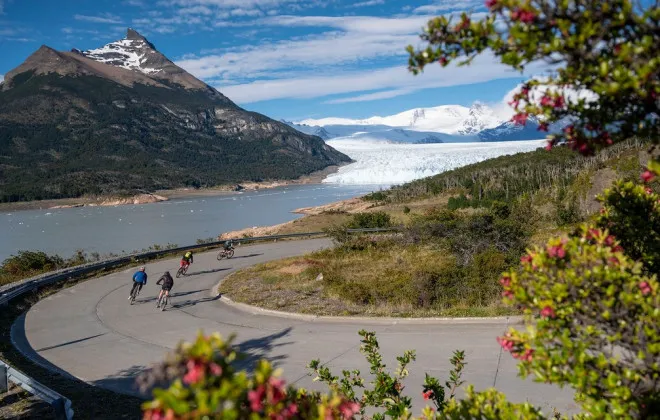
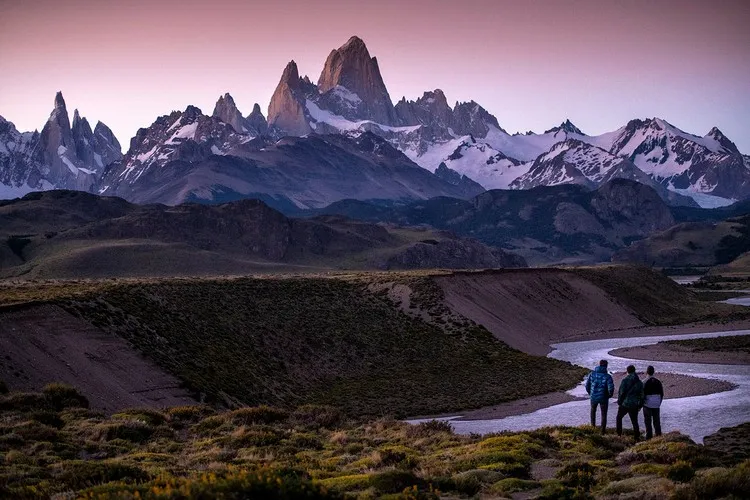
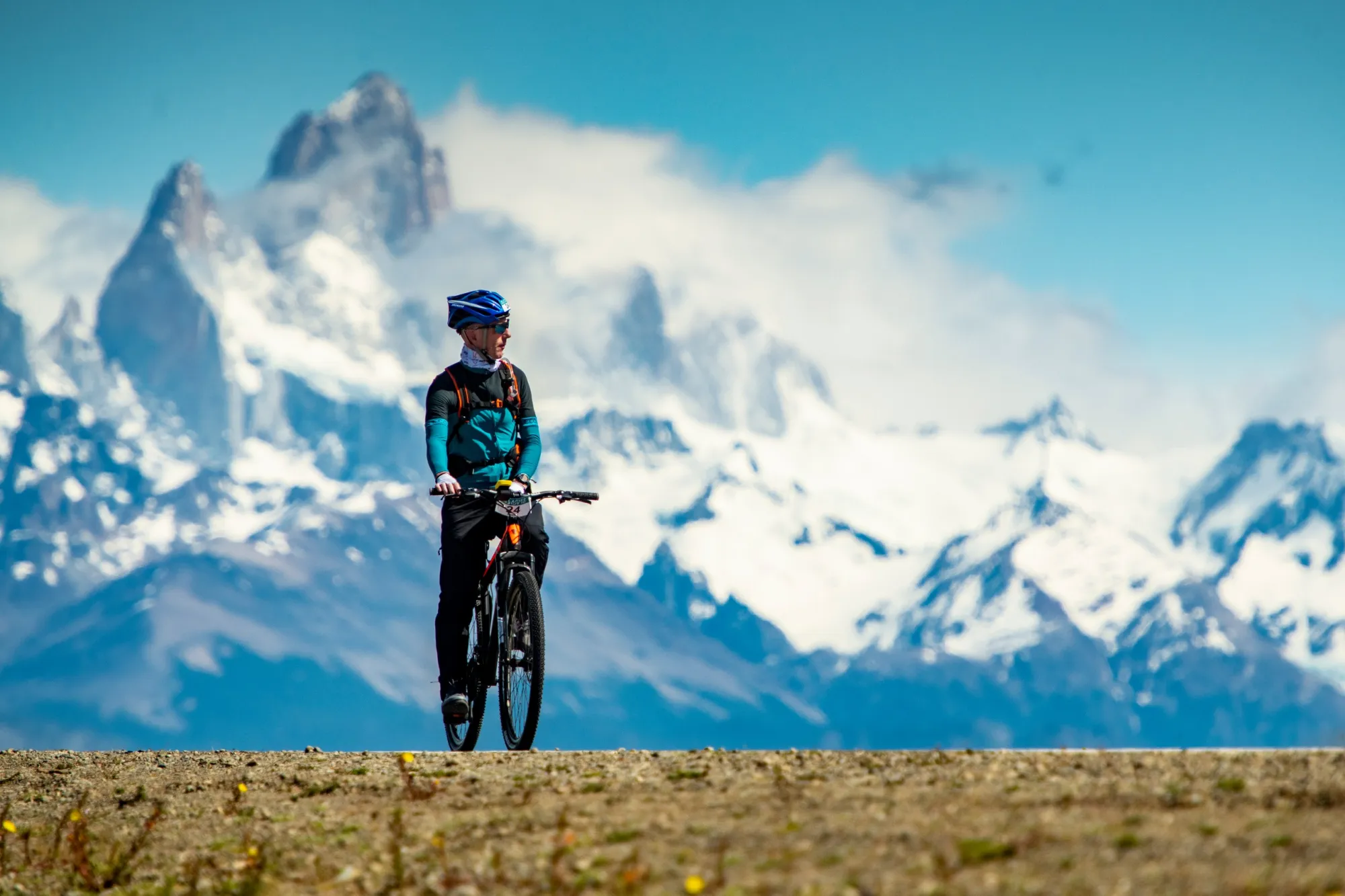
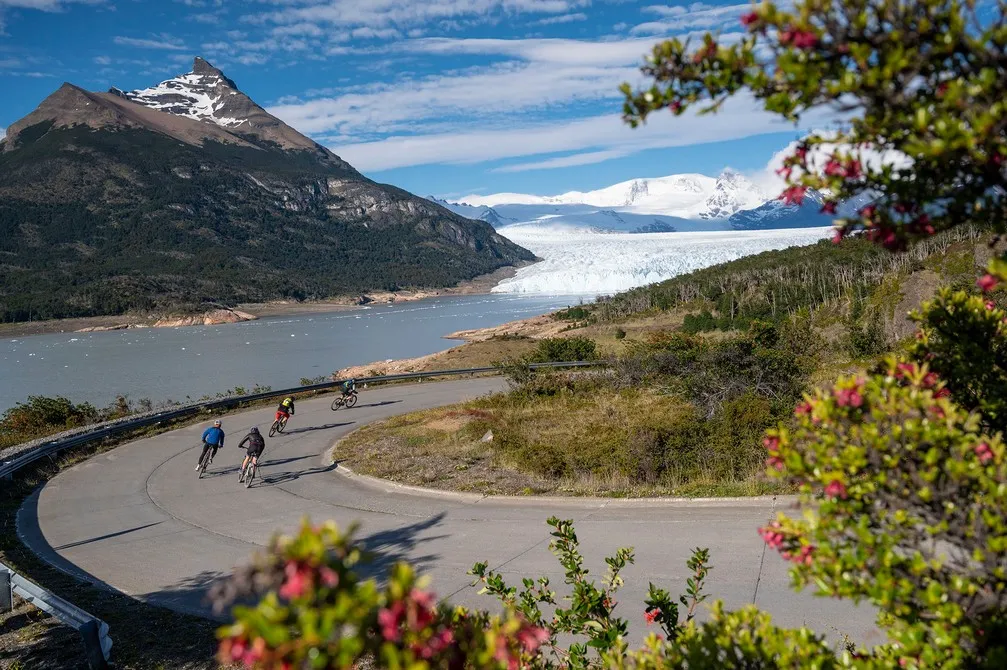
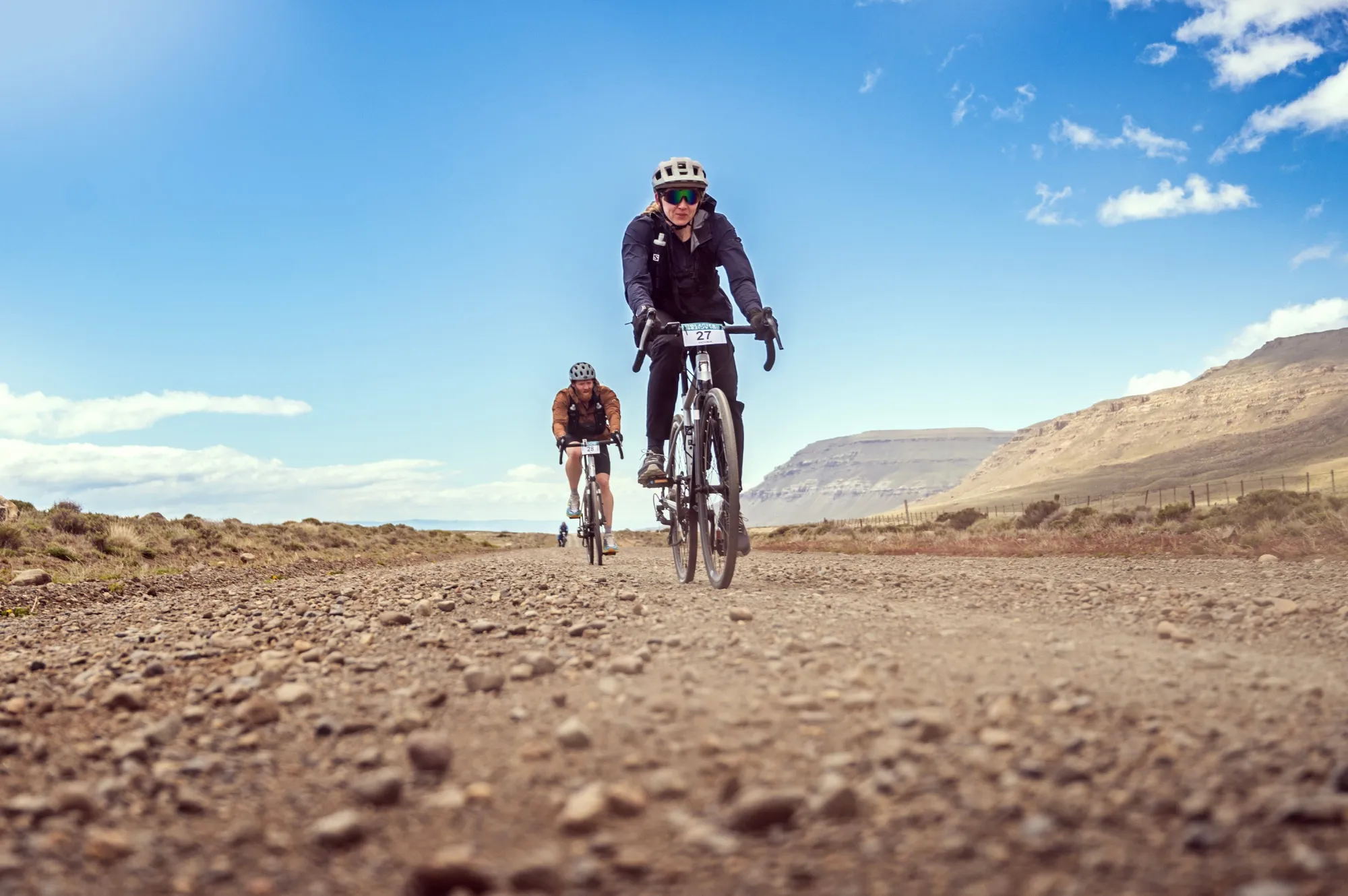
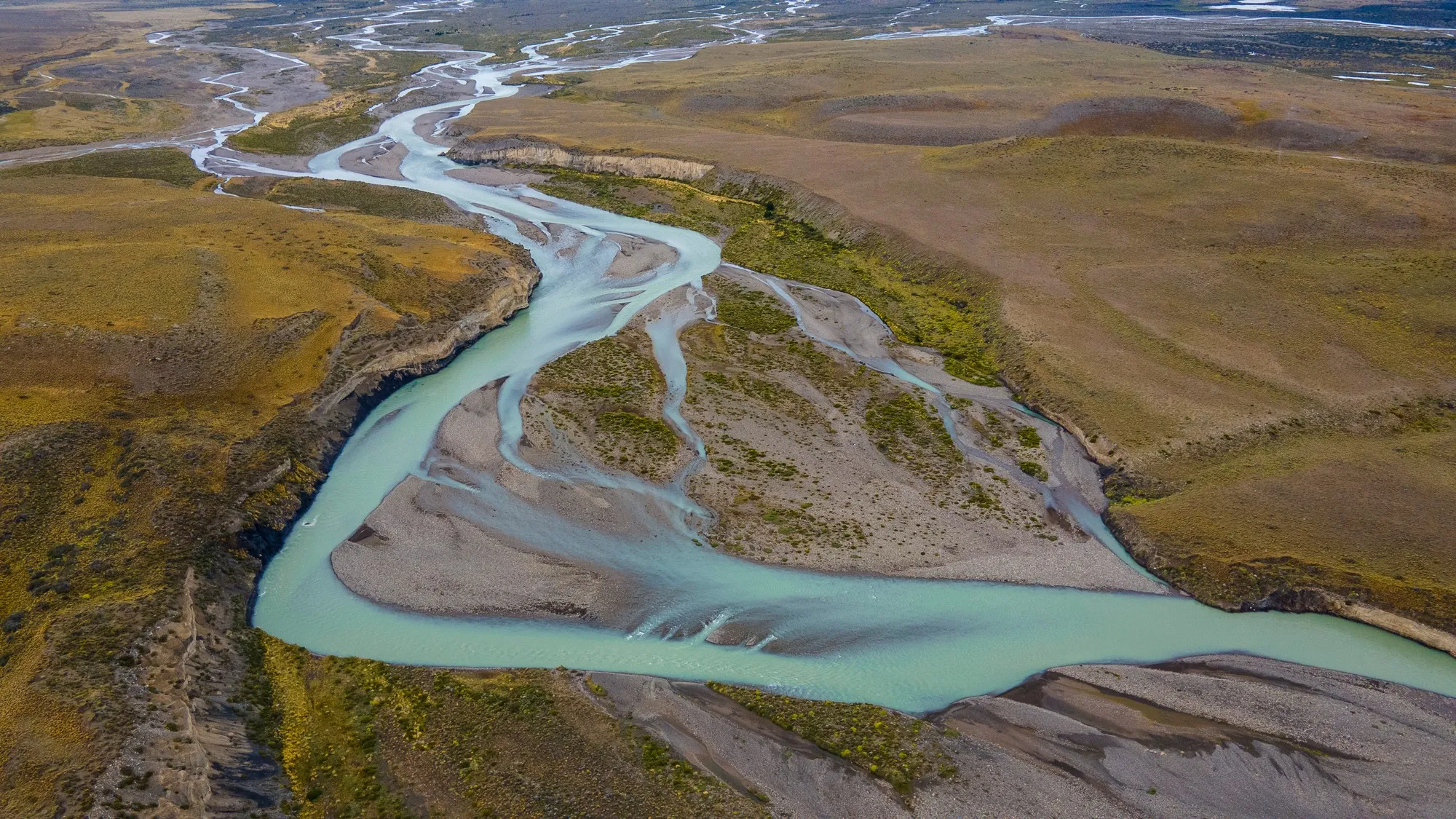
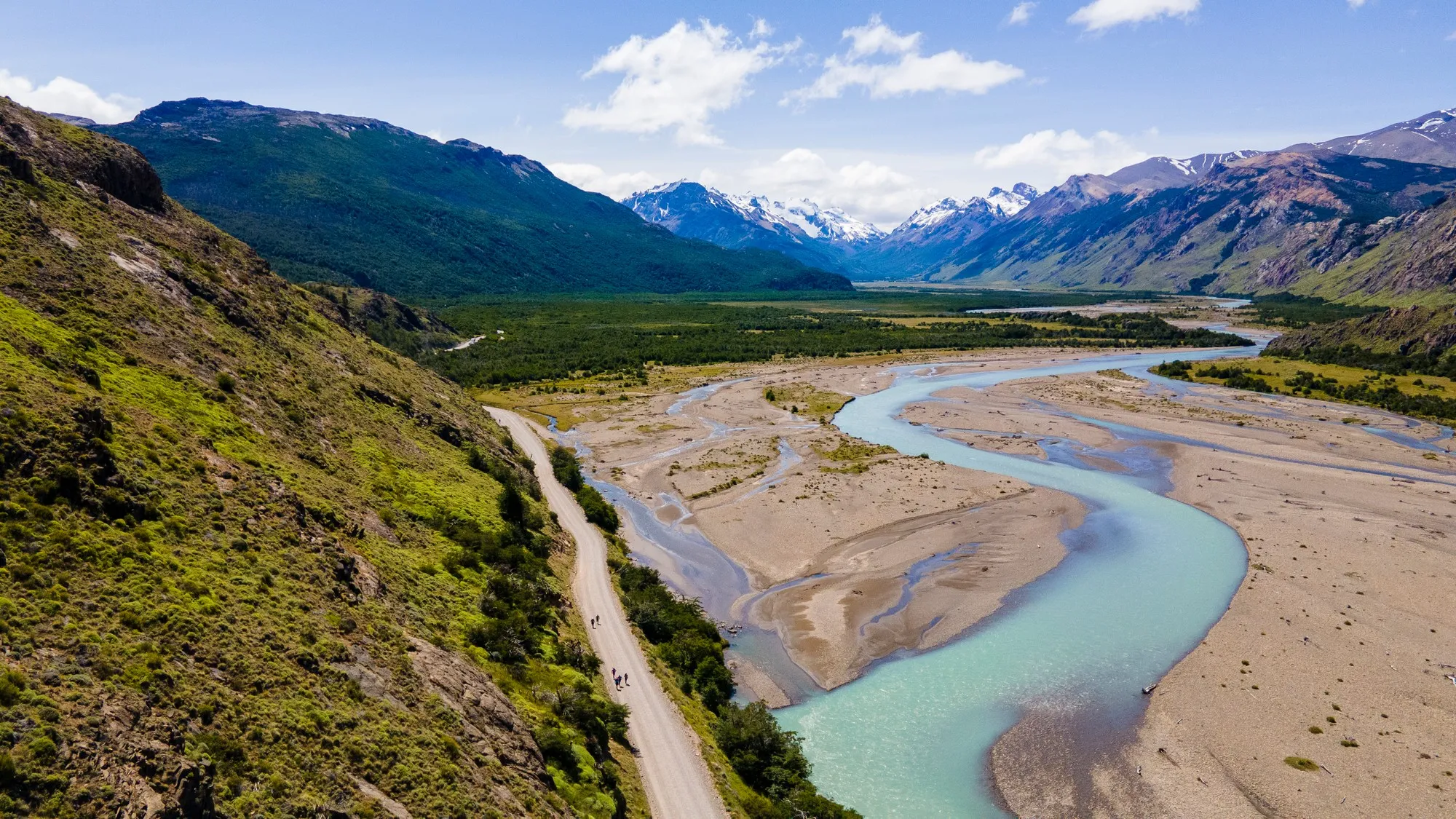
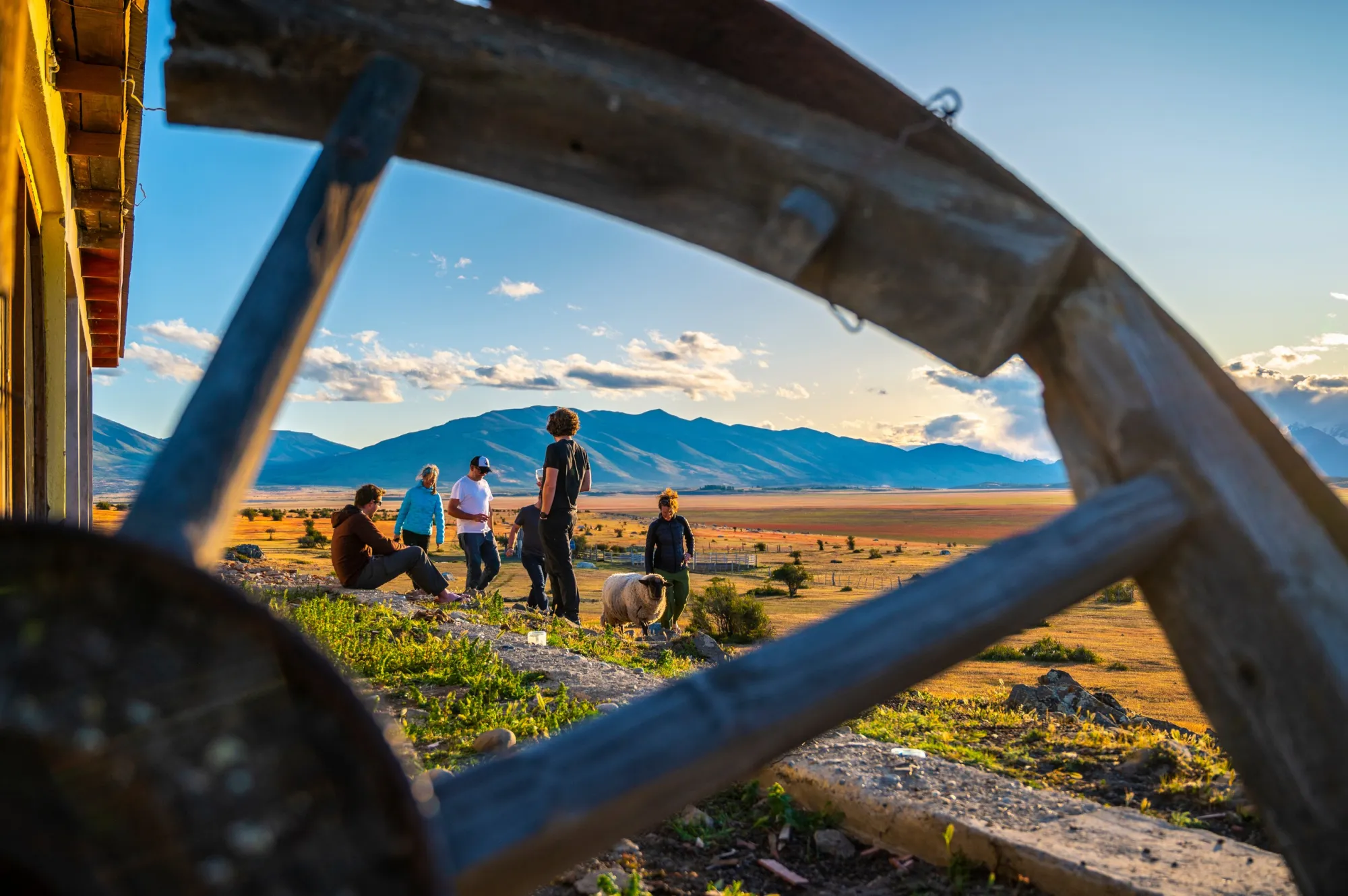
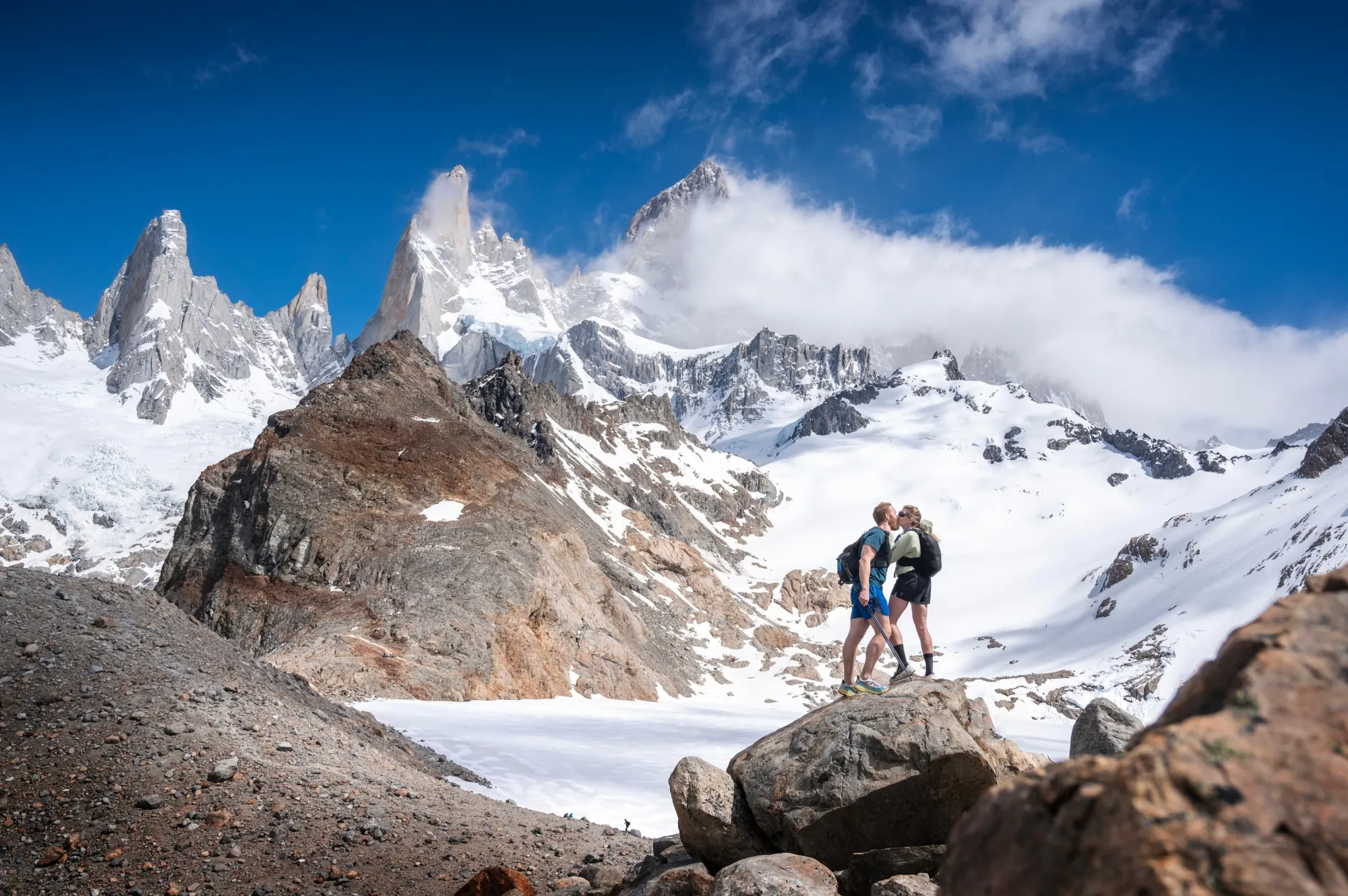
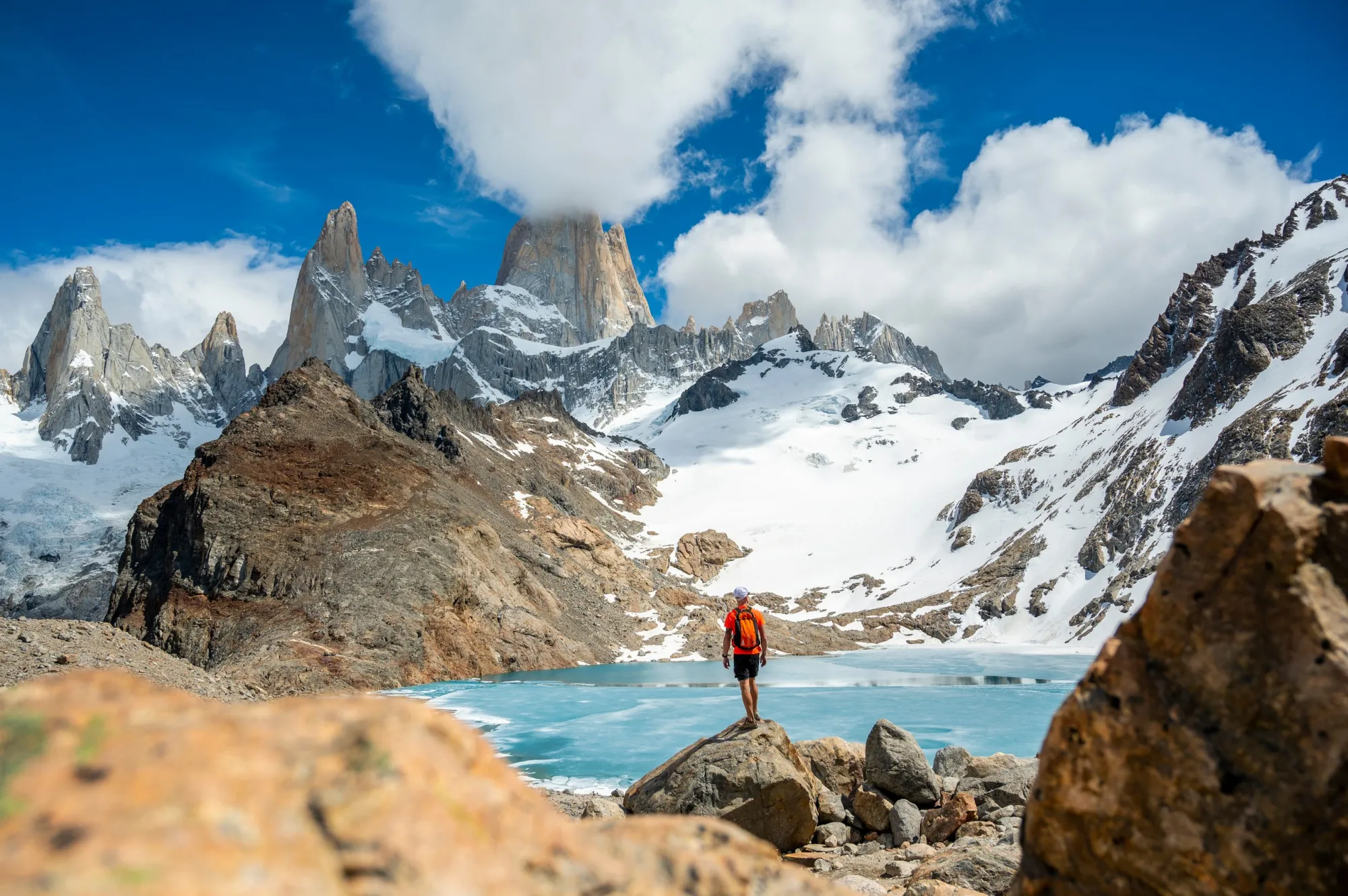
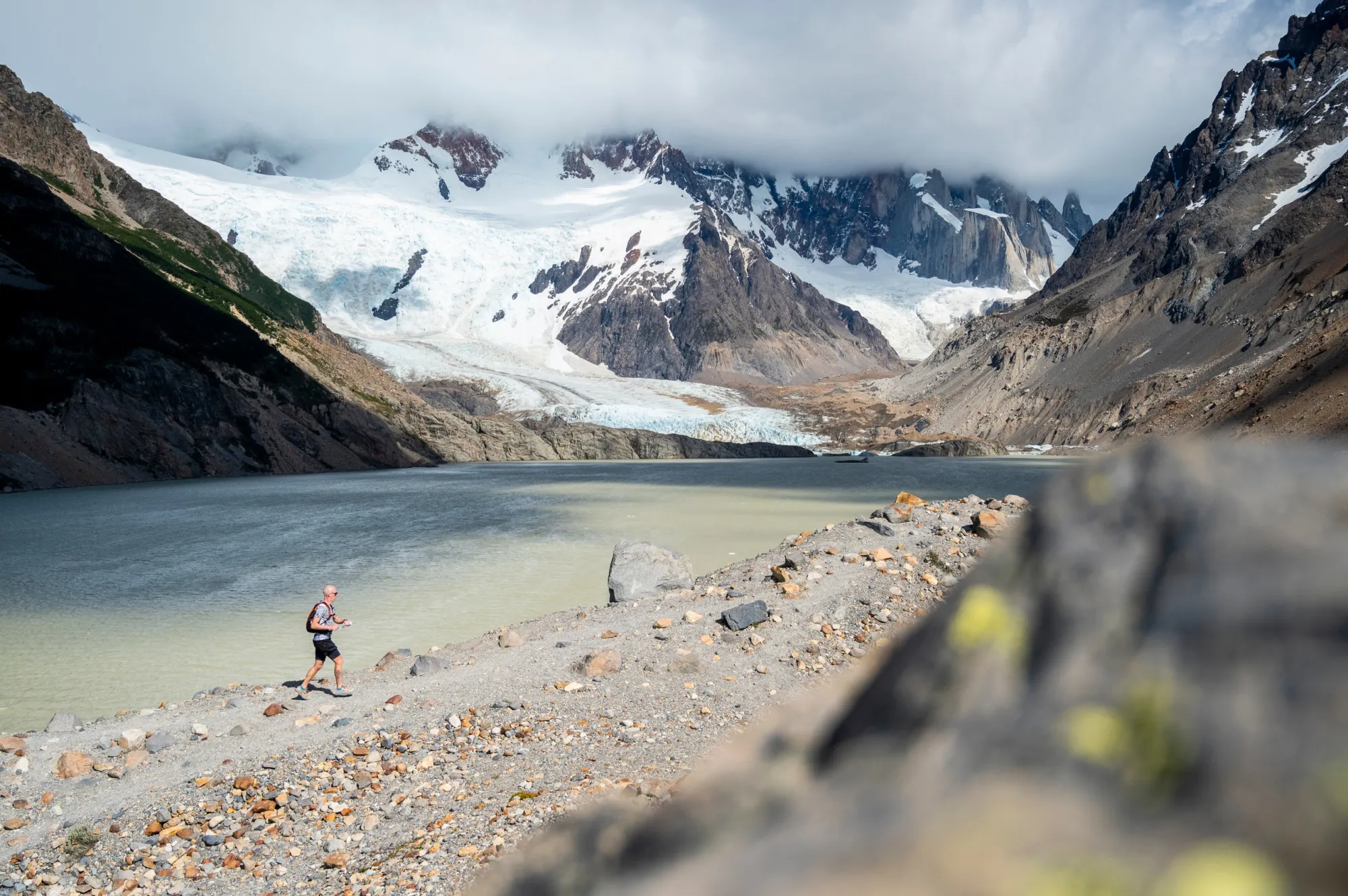
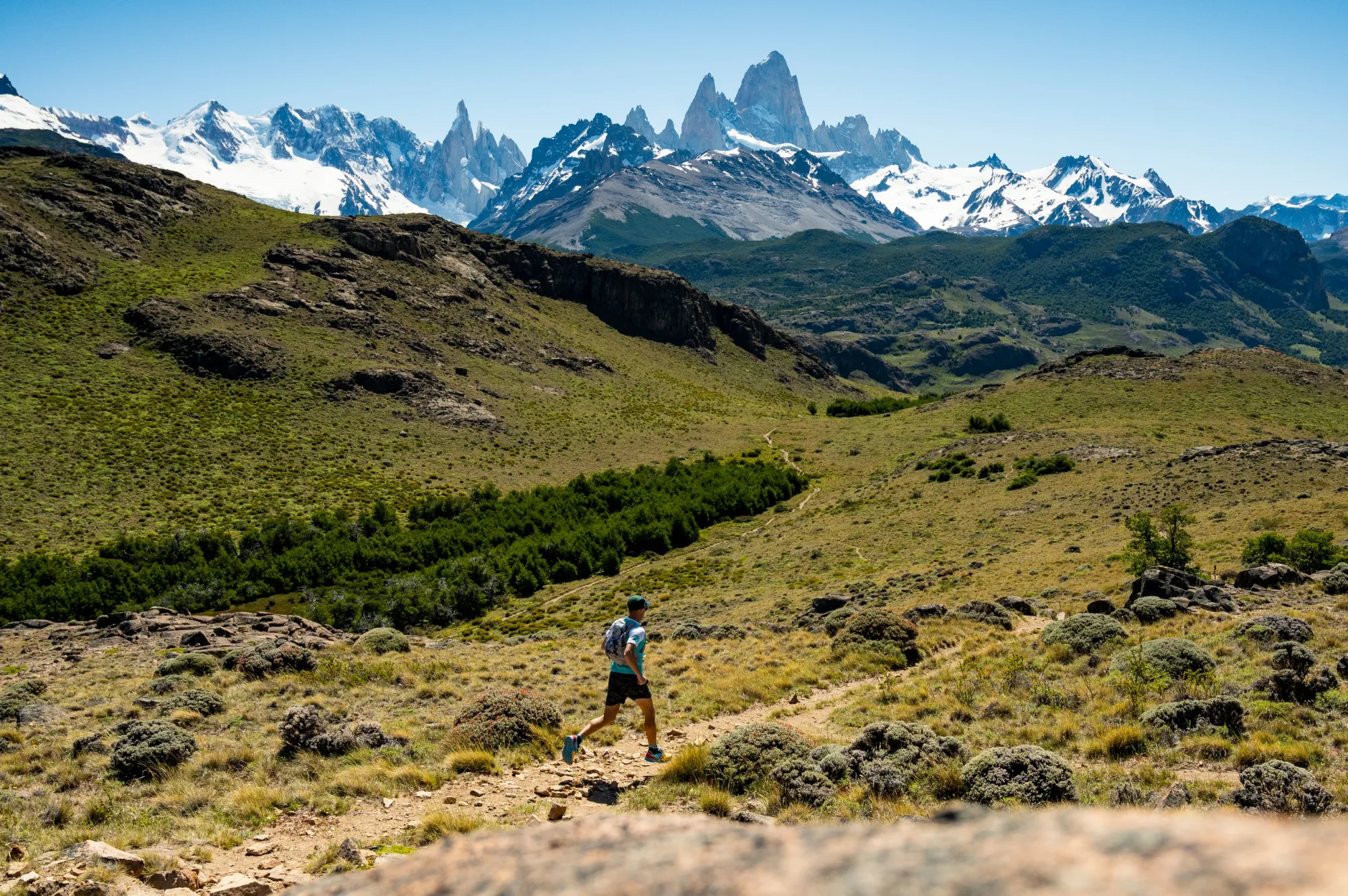
This is the ‘hottest’ time of year in Patagonia (it is the height of the austral summer) but it never gets ‘hot, hot.’ Highs of 1 5 – 22 C are the norm. What is also inevitable at this time of year are the notoriously strong Patagonian winds. Whilst it is arguably a bit more sheltered in amongst the mountains, the Steppe is very exposed. Which means it could be dusty, windy, rainy, cloudy, sunny. Basically it’s a bit like Scotland. On steroids.
Sun protection
Whilst the heat of the day will not be fierce, a wide-brimmed sunhat, sun-cream and lightweight and breathable fabrics (ideally with SPF protection) should be packed. As will sunglasses with at least Cat 3 protection. You are outside for a good long time after all.
Wet weather gear
So too should wet weather gear be packed. Some waterproofs for the bike and for the trek stages should be taken. The chances of rain are high and you should definitely invest in decent water and windproof garments.
Bike kit
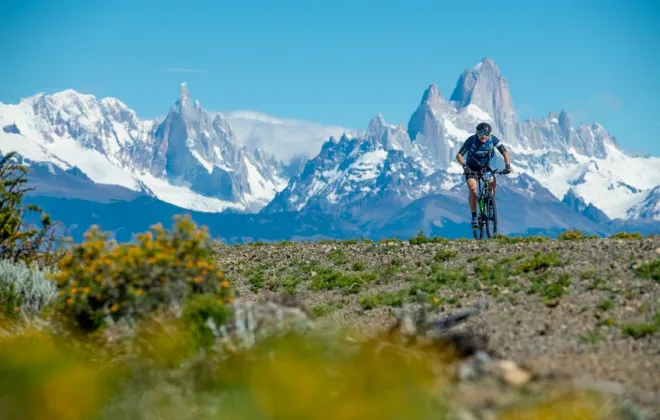
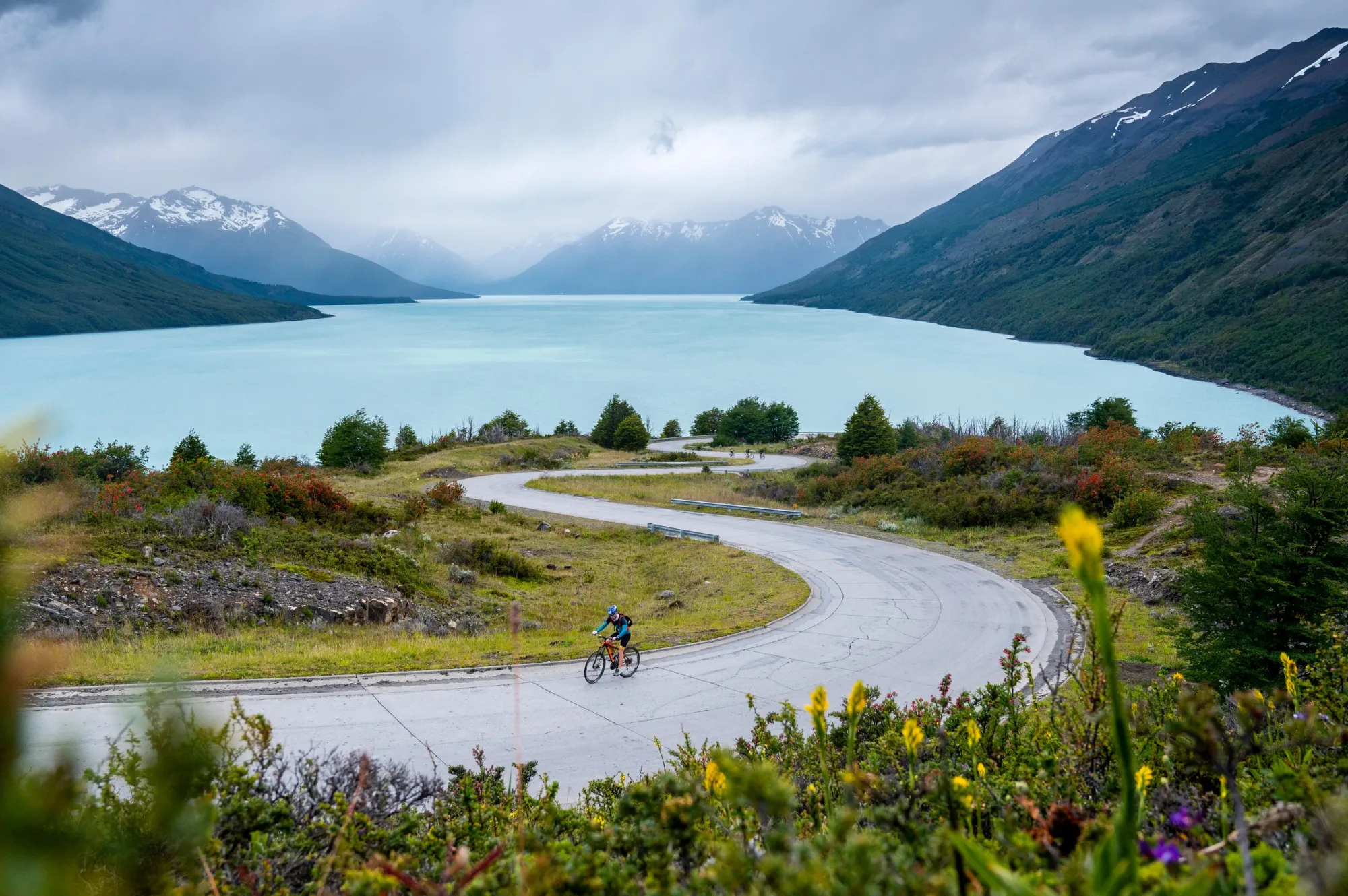
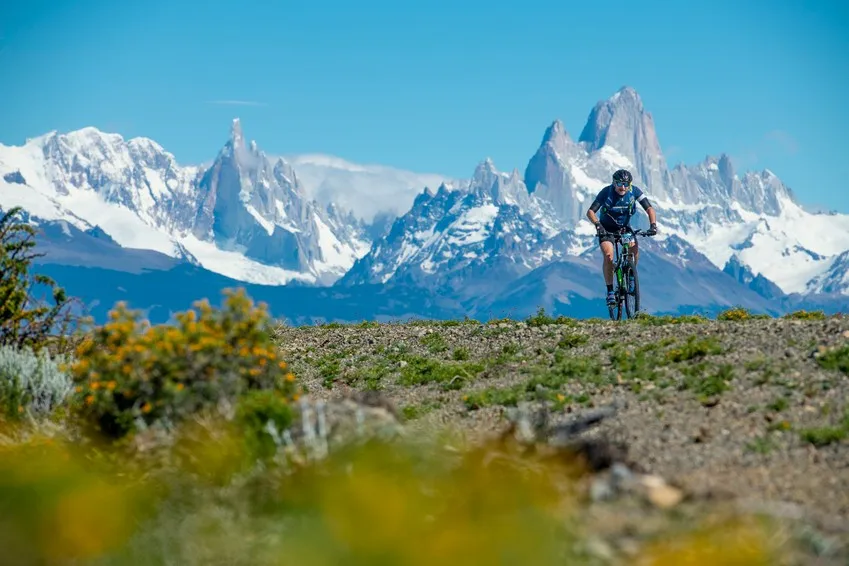
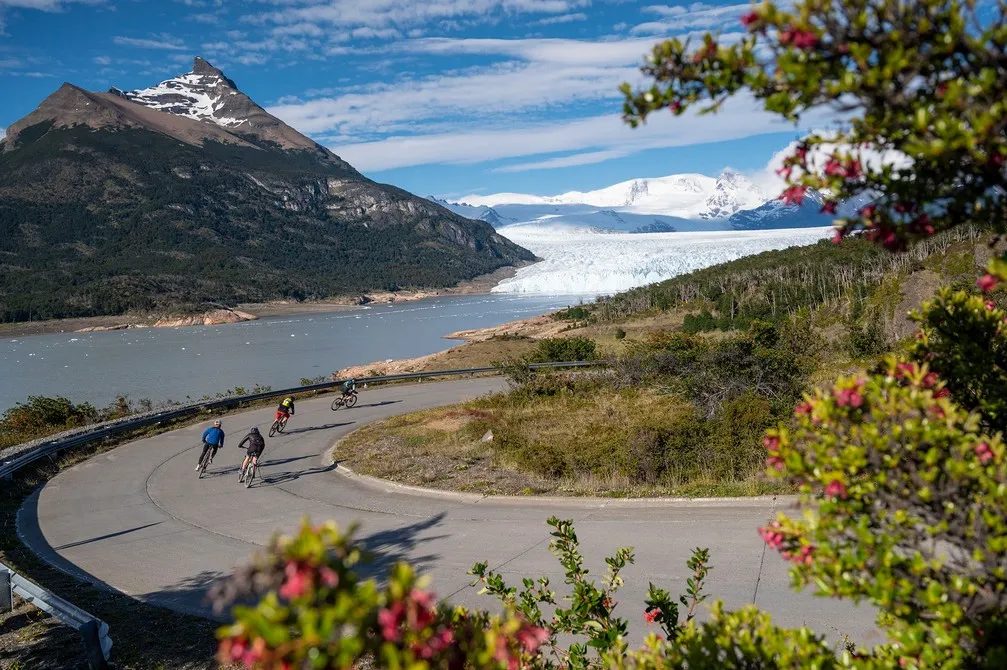
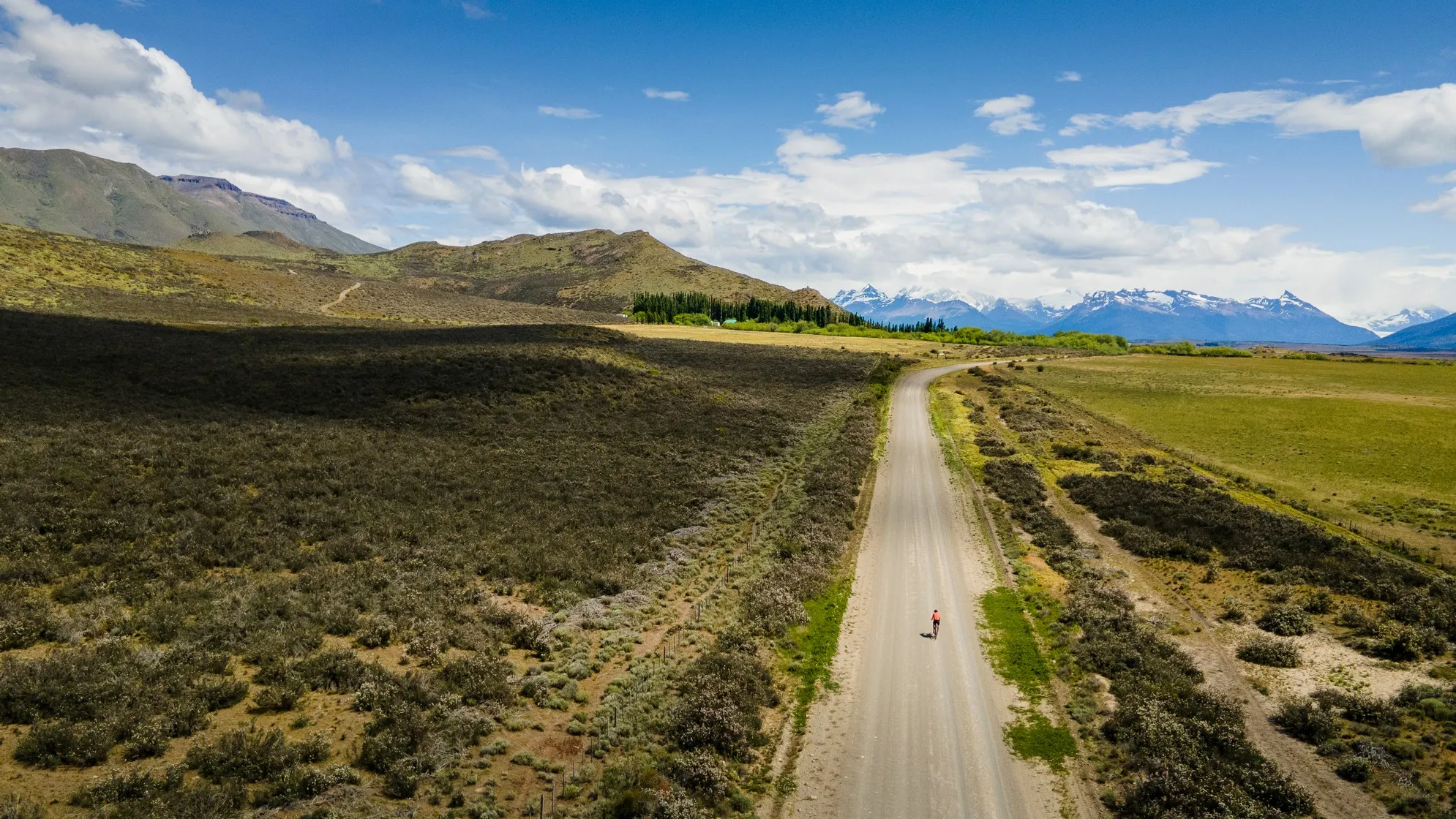
As well as supplying your own bike, please bring everything you would need to support yourself on that bike – pedals, footwear, tools, pump (we will have track pumps with our bike mechanic but you can never have enough pumps!), puncture repair gear, helmet and bike clothing for summer AND wet weather conditions. Decent cycling-specific windproofs are essential given those dastardly breezes! Please bring it all in a bike box or bag (a bike box preferable to bag as just easier not to damage items in transit – planes, vans, etc).
Camp life
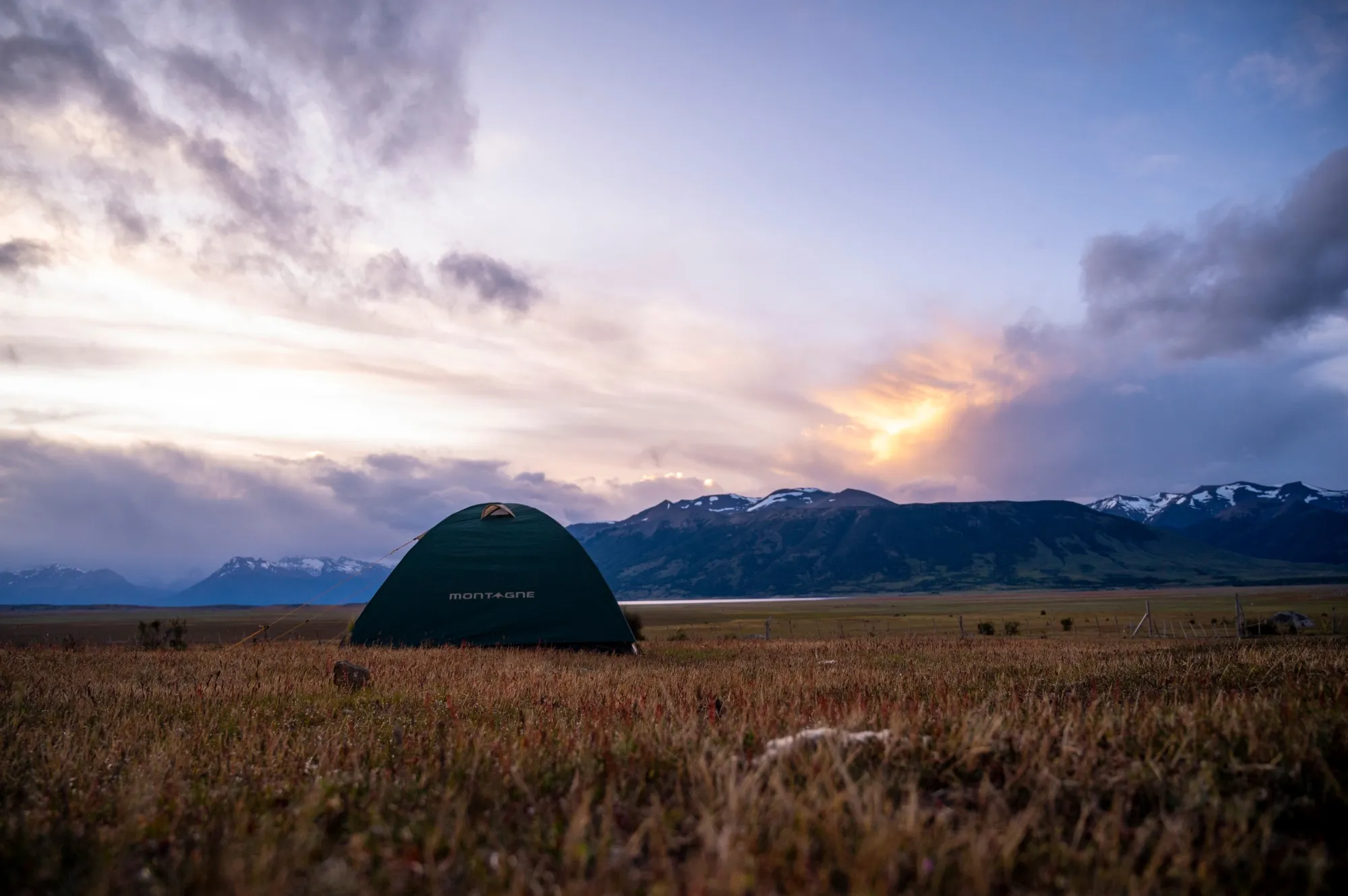
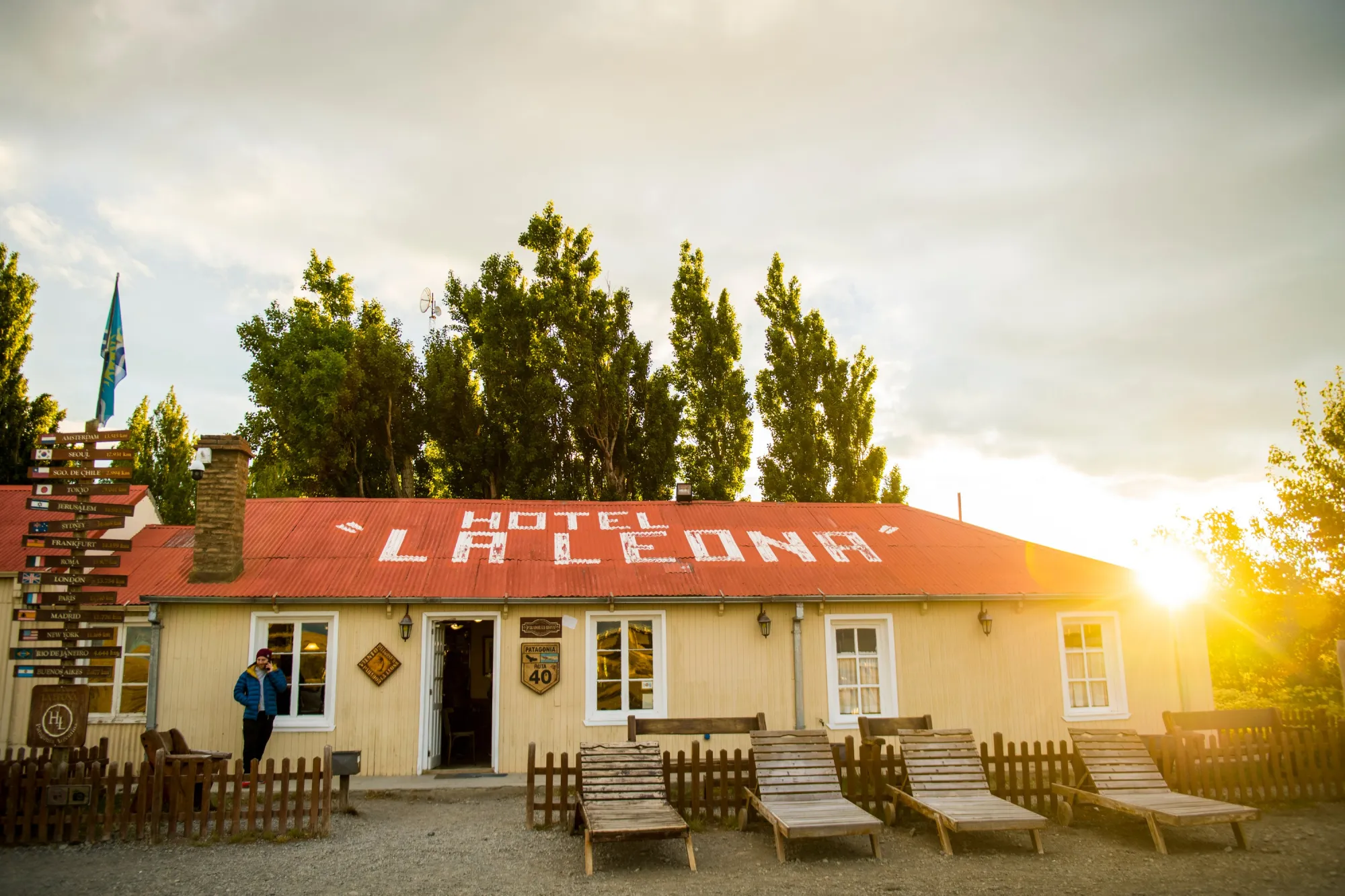
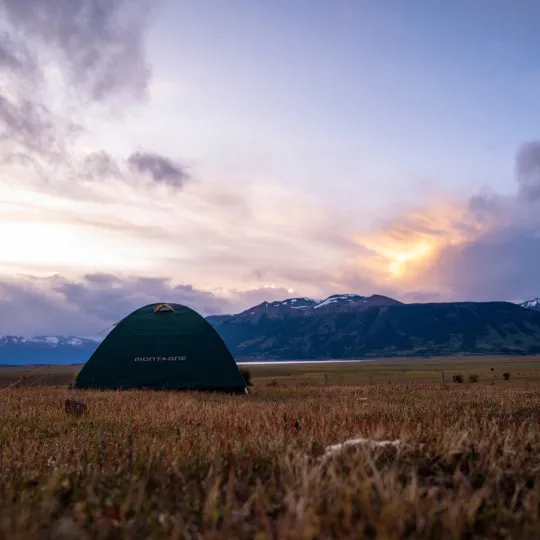
For the accommodation, it is all in guesthouses or hotel with the exception of the two nights under canvas in our tented camps. We will provide most camping gear for you, no hefty gear is required. You will need a sleeping bag and a rollmat. Also remember, these are still nights under canvas, so if there are creature comforts that you wish to bring to augment your comfort levels, please do so. We would also advise bringing a towel just so you are self-contained on that and have it with you in the support vehicle. A pair of sandals or flip flops are also pretty invaluable for camp and for kicking back in the evenings, just to air those tired feet. These items are reflected below as recommended items.
Nutrition
We will insist that you have some salt tablets and other electrolyte replacement items with you – these are invaluable to re-instating equilibrium when you are exerting yourself. Experience shows that good electrolyte management can make or break these types of Endurance attempts. Whilst it is not massively hot, you will be getting moisture beaten out of you with the wind and won’t really notice the ambient temperature, potentially. Some electrolyte tablets for water and other sports nutrition is recommended just to have in your grab bags, so you are self-sufficient with items that work for you, at all times. We will have food and bev for the pit stops, but we always ask that you provide your own sports nutrition as it’s a fairly personal thing and it is by far the best approach to be self-contained in such matters.
THE KIT LIST
Here’s a rundown. We may revise this nearer the time but this should give you a good idea at this stage.
Note: All items are mandatory, unless it says recommended, where they are, well, recommended!
Foot section
-
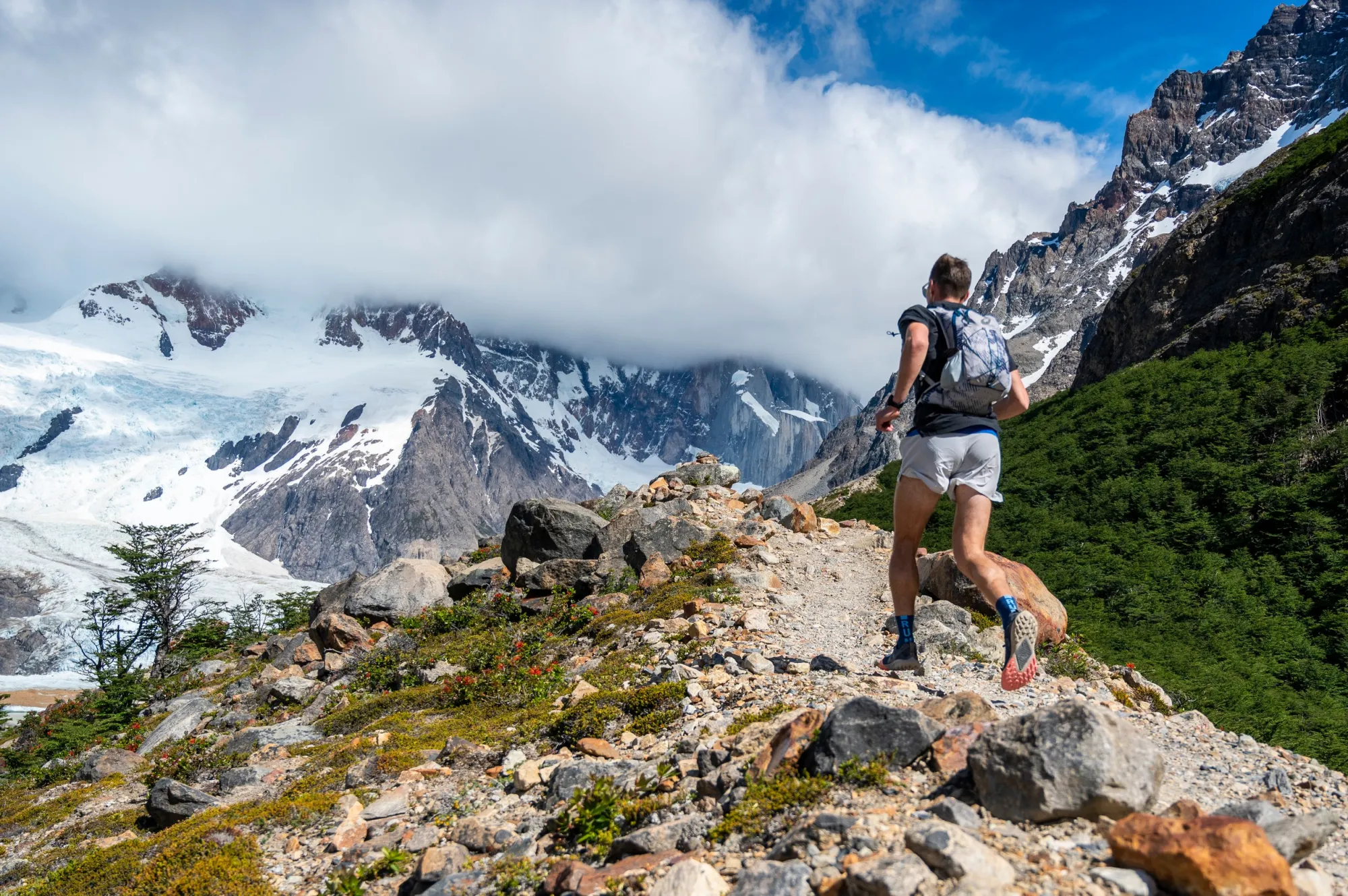
Trail running footwear
-
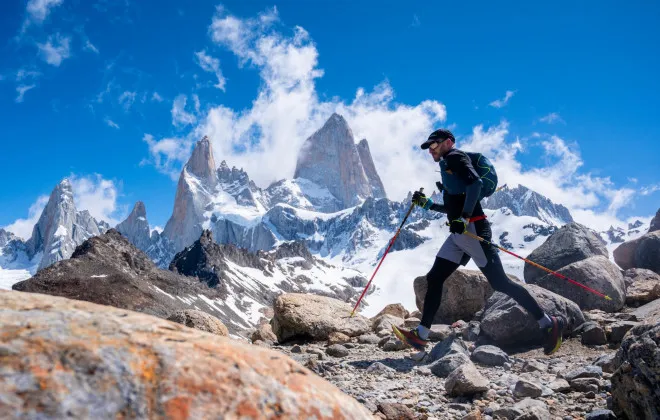
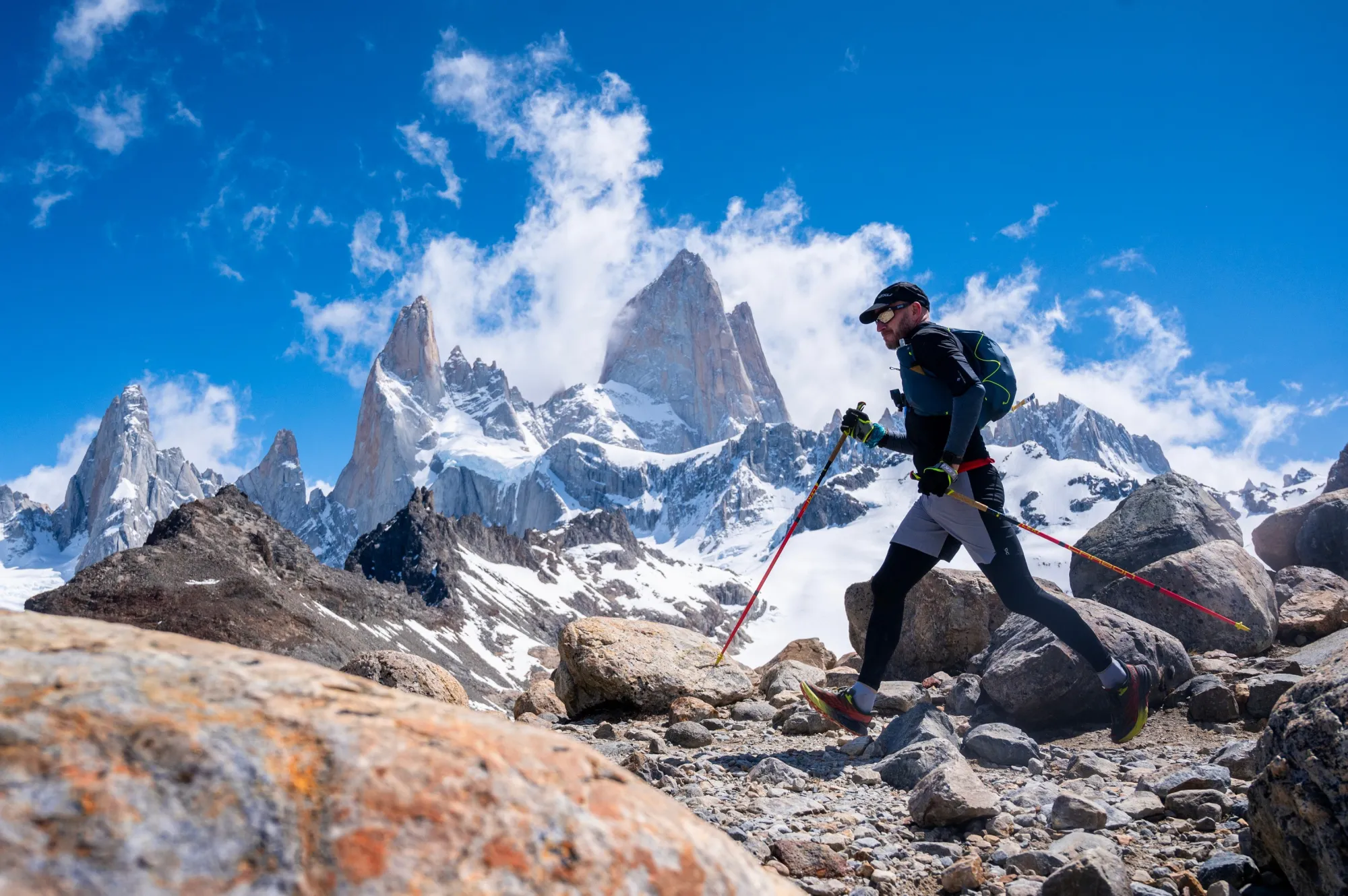
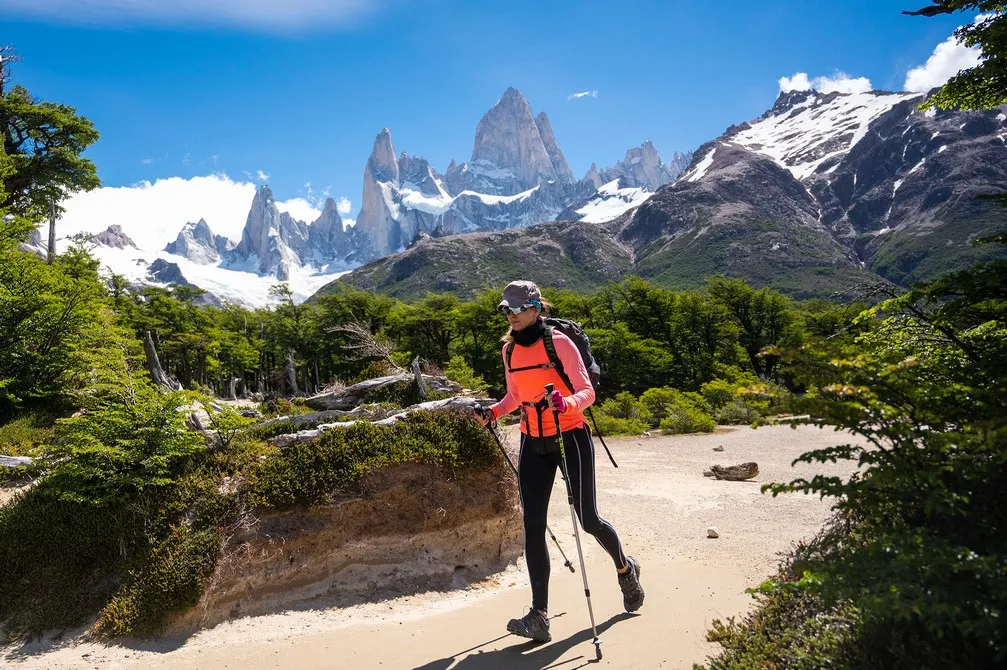
Trail running apparel – shorts, technical wicking tee/ base layer, long-sleeved wicking layer, mid-layer (e.g. microfleece)
-
Recommended: Running tights
-
Windproof and/ or waterproof upper body and leg cover – BUY HERE
-
Buff or similar neck gaiter
-
Spare base and mid layers
-
Socks
-
Blister care kit
-
1 person bivvy bag (not survival blanket, must be a bag) – BUY ONE HERE
-
Personal First Aid kit – more detail to follow on exact spec nearer to event date
-
Running day pack to carry spare clothing, bivvy bag, first aid kit, spare food. Recommend 15 – 30l – BUY HERE
-
Hydration system for pack – either bladder or bottle to be secured to pack. Minimum of 2l carrying capacity at all times – BUY HERE
-
Cap or wide-brimmed sun hat
-
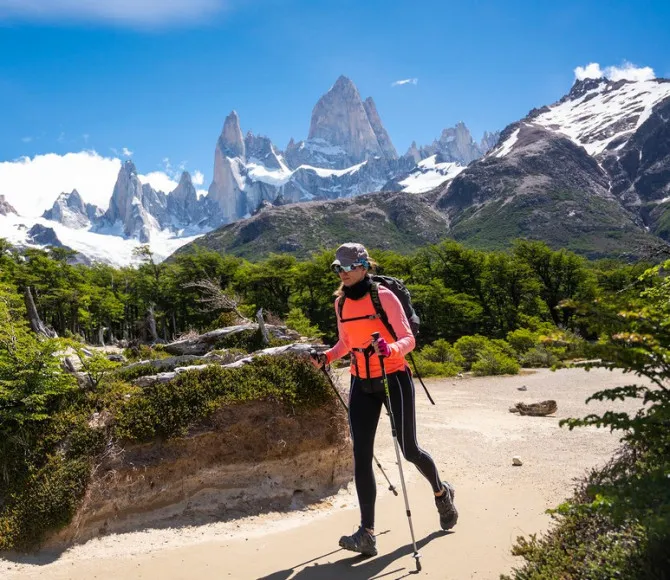
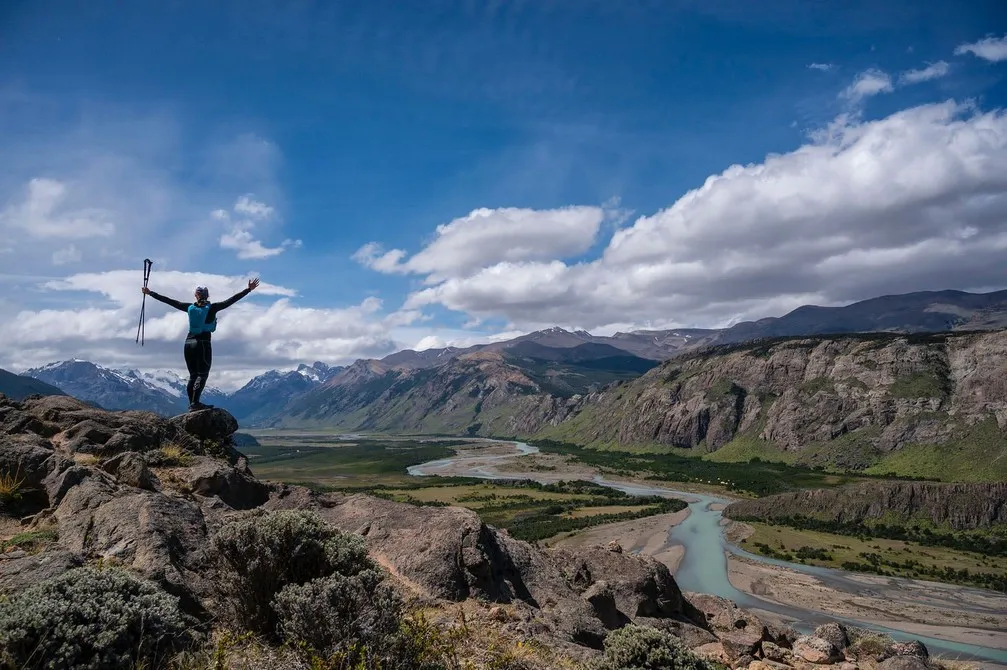
Recommended: Trekking poles
Bike Stages
-
Bike: Mountain bike, hybrid or cyclocross
-
Bike box or bag (box recommended), if transporting your own bike
-
Water bottles: Recommended 2 x 750ml bottles
-
Tools – to comprise a minimum of: Cycling multitool, peddle spanner and chain link removal tool
-
Puncture repair kit (or slime if you are using that)
-
Your own peddals
-
Cycling footwear
-
Cycling gloves. Recommended: Spare pair of full-finger length gloves in case of wet/ windy weather
-
Full length upper body and leg cover suitable for cycling
-
Cycle helmet
-
Wind/ waterproof upper garment
-
Spare cycling clothing in case you get drenched
-
Socks
Recommended: Pair of overshoes/ booties are useful for insulation and waterproofing
Water Stages - kayak
-
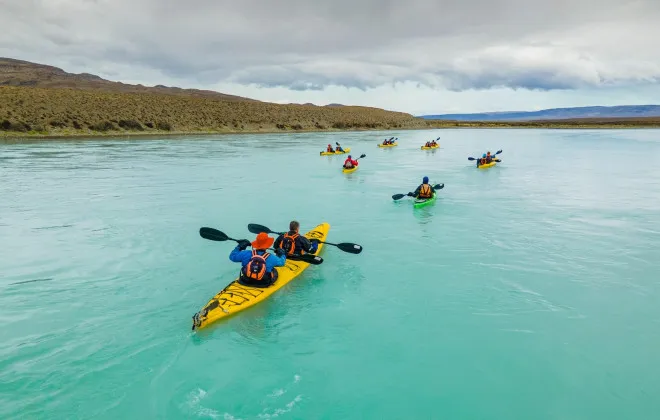
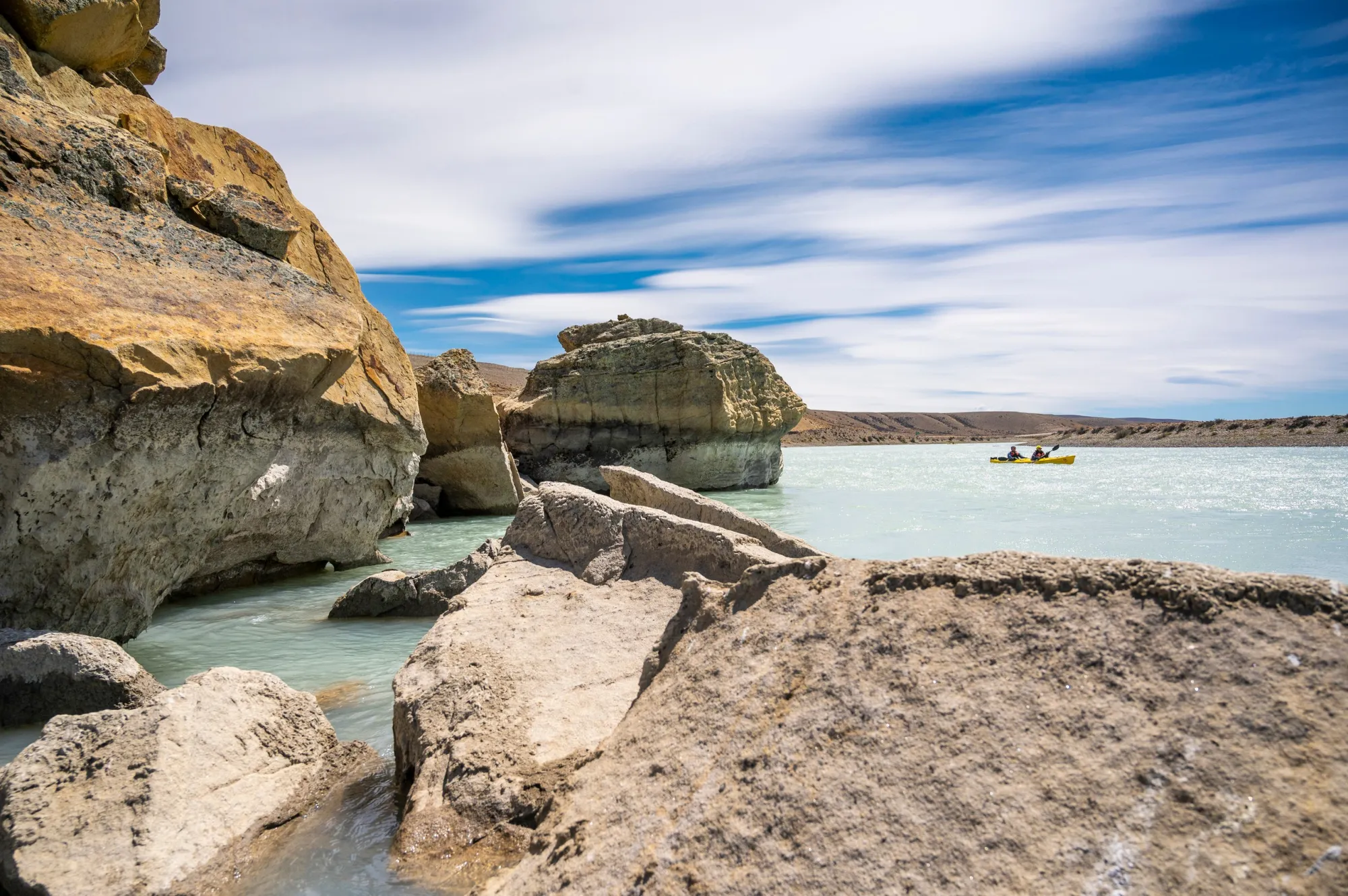
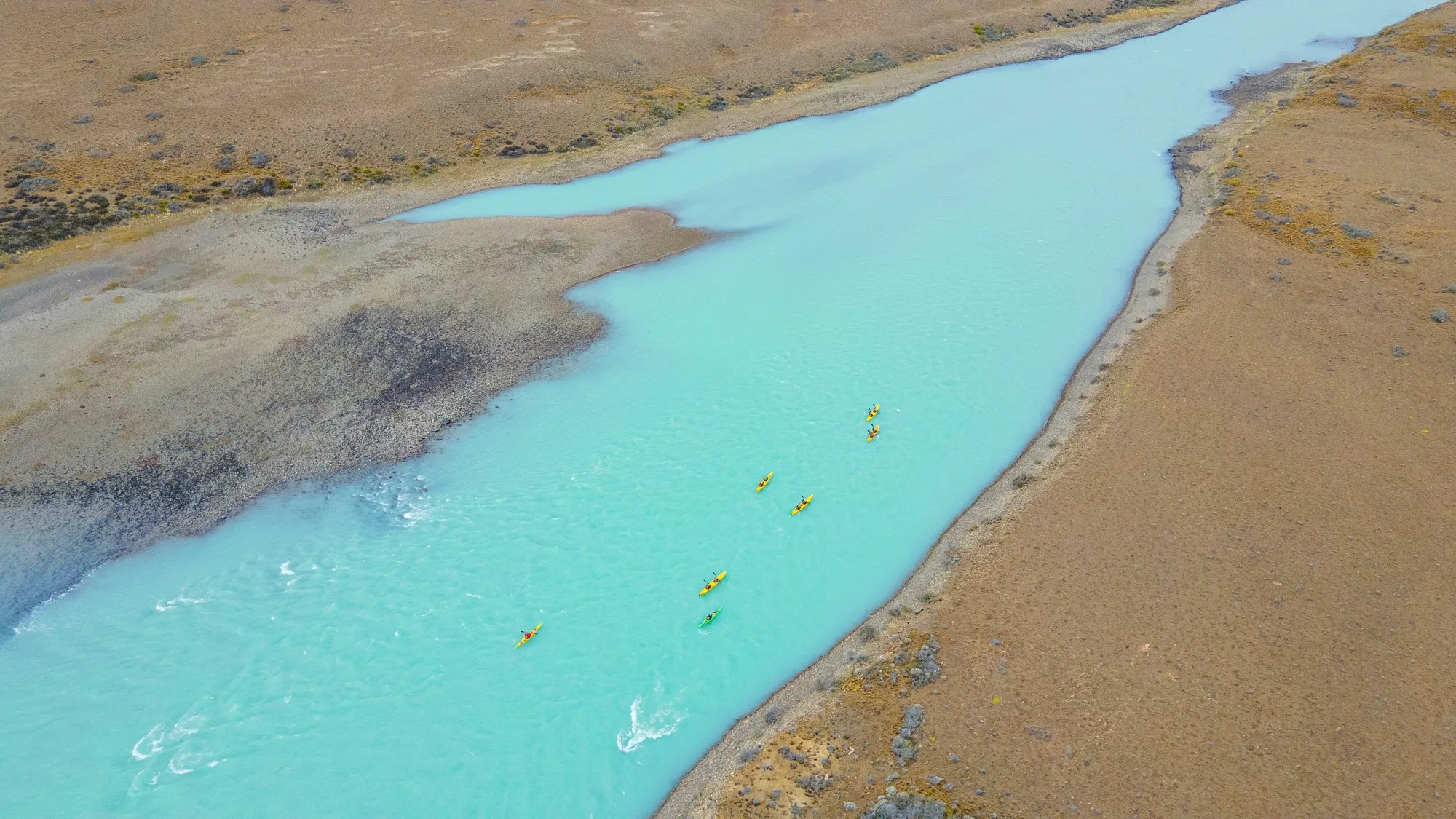
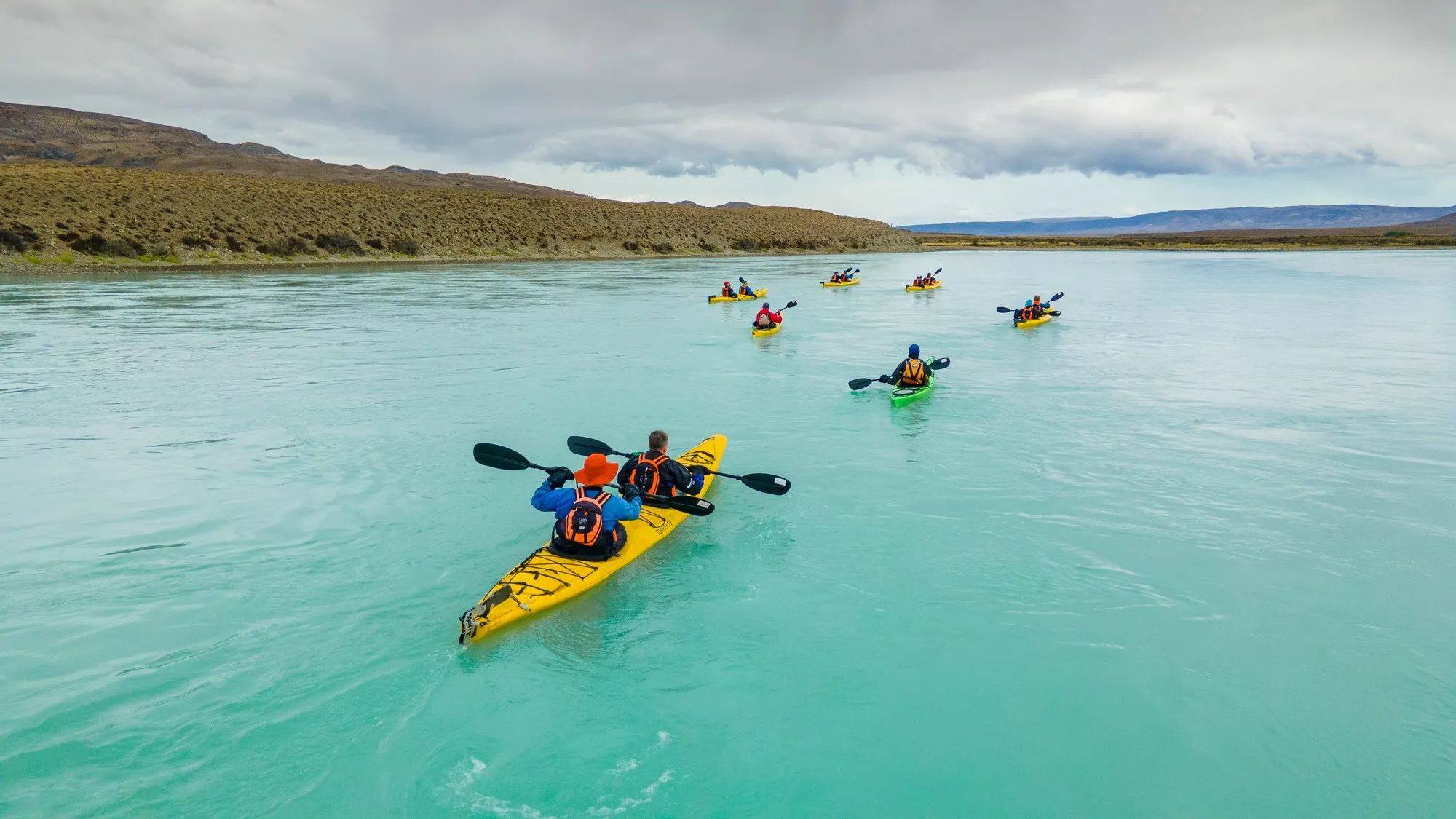
Buoyancy aid, neoprene suit and boots, semi-dry jacket (cag), mittens, paddle and kayaks will be provided
-
You should dress in technical wicking undergarments and mid-layers. These can be the same ones you have used on the run stage, but for the kayak please remember you will be sitting stationary and you WILL get wet. Avoid cotton and use technical wicking fabrics. Pack some waterproofs too as you can switch into these if you get soaked in the semi-dry cag
-
If you do have kayaking gear, (such as a cag), then please do bring these if you prefer to wear your own items
-
Flip flops or sandals
-
Dry bag medium size (approx. 10l +). Whilst communal dry bags will be provided, there is no substitute for your own dry gear (and food) in your own dry bag
-
Dry bag small size: For phones and other personal items
General
-
Casual clothing for use in evenings and transit stages – no formal wear required
-
Recommended: General trekking trousers and robust outdoor footwear, given the type of destination
-
Recommended: Towel – travel micro towel or full-size
-
Personal toiletries including any personal medication required
-
Recommended: Multitool or penknife
-
Recommended: fitnessReading material
-
Power bank for mobile phone
-
International plug adaptor
-
Overnight bag: Such as a duffel or rucksack
-
Transition bag: A smaller duffel, or a small rucksack or drybag. This can double up as your day pack from the foot stages, as you only need this bag on the bike and kayak stages