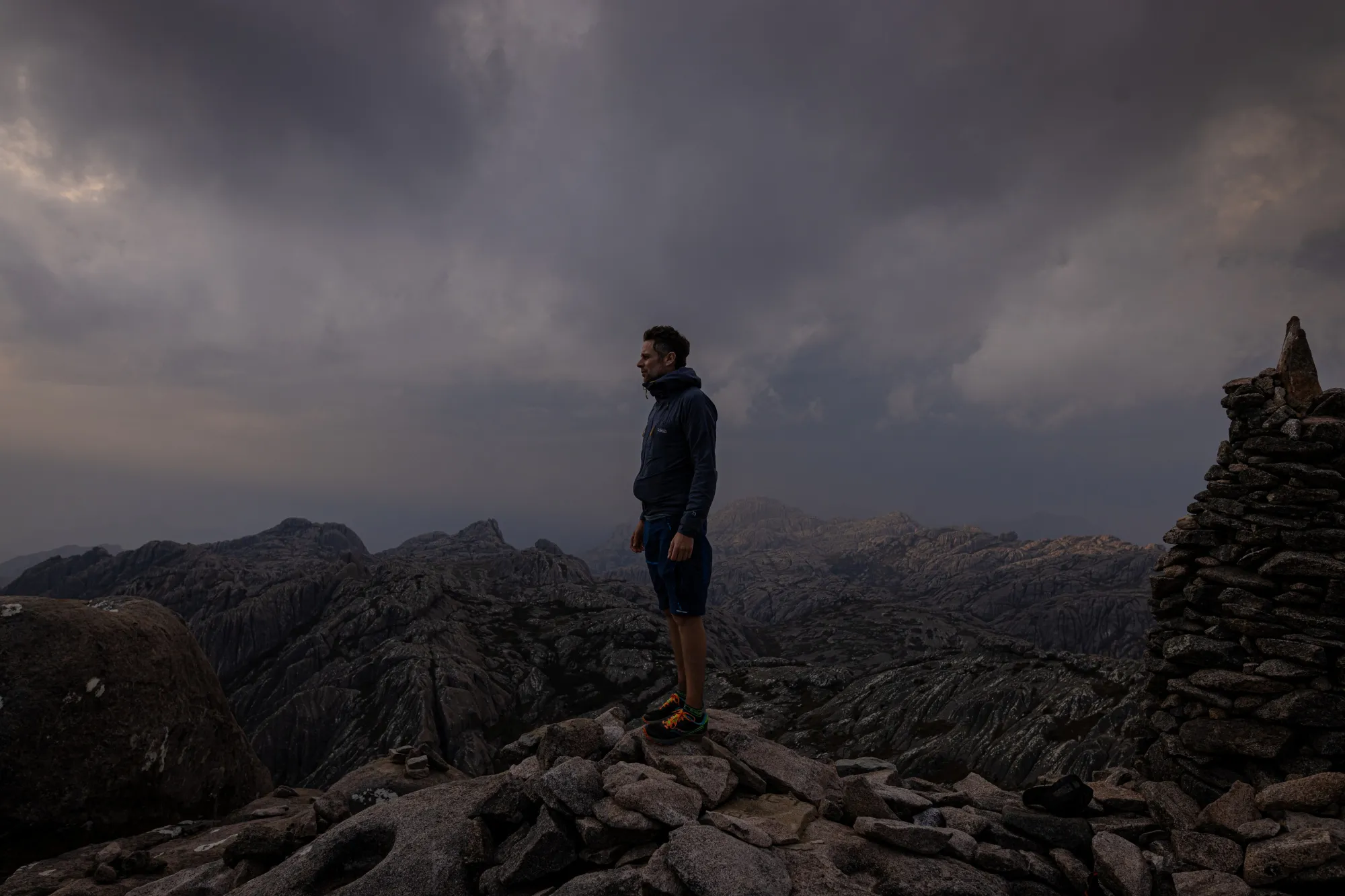
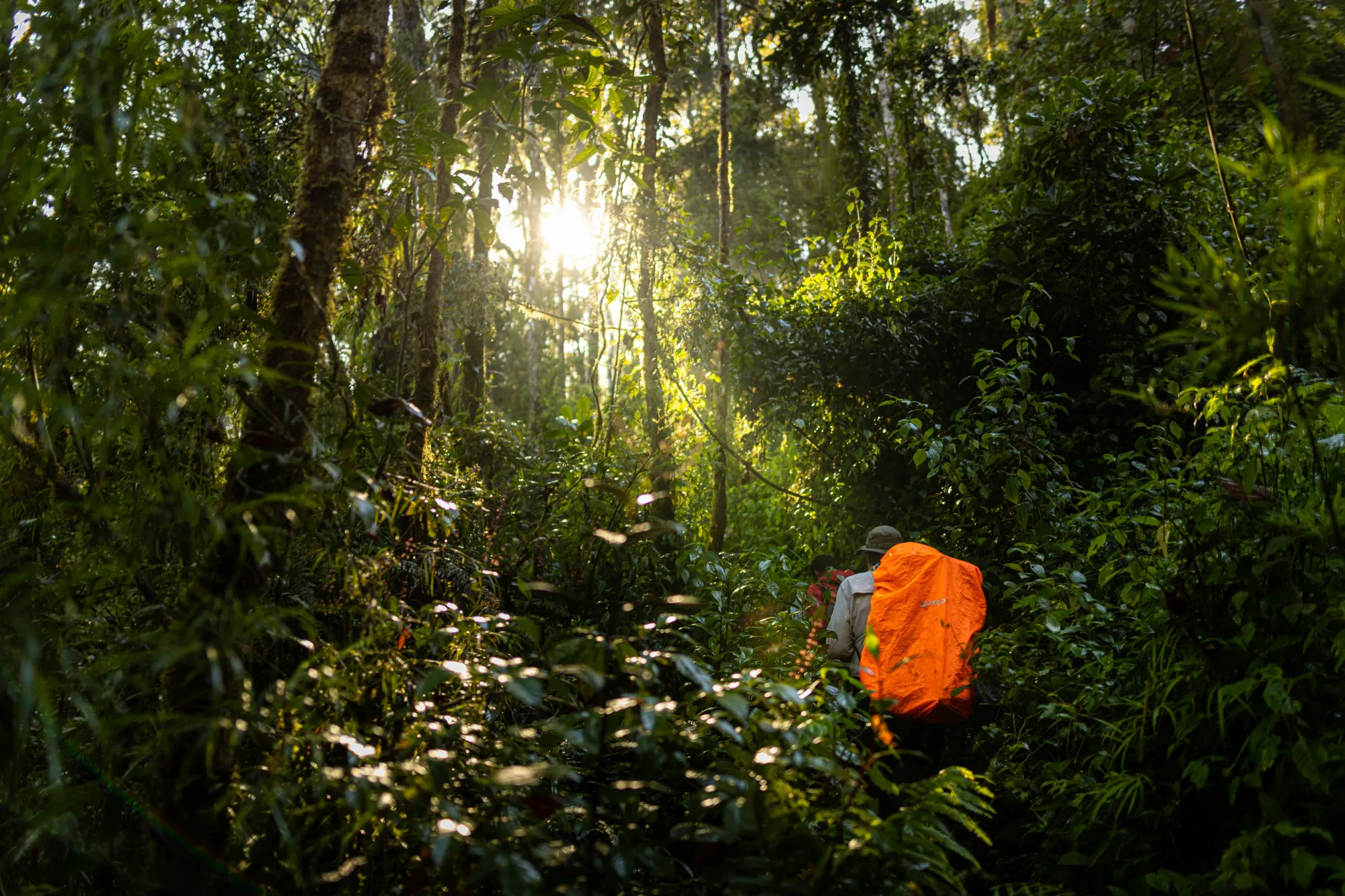
Some of the kit listed is to help you have a safe experience and have the best chance of finishing. Some of this kit is to ensure that if you are unable to continue without our assistance then we can be confident of you having the level of equipment required to keep you as comfortable as possible whilst you wait for that assistance. It is serious stuff so please do take everything we ask with you and discuss anything you are missing with the Expedition Manager.
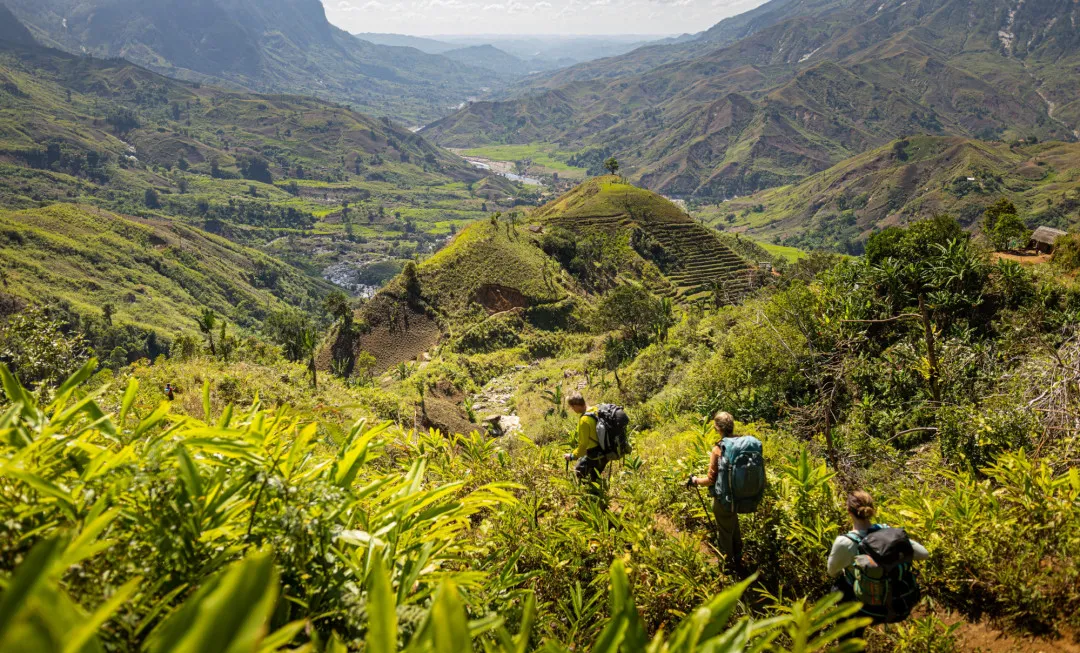
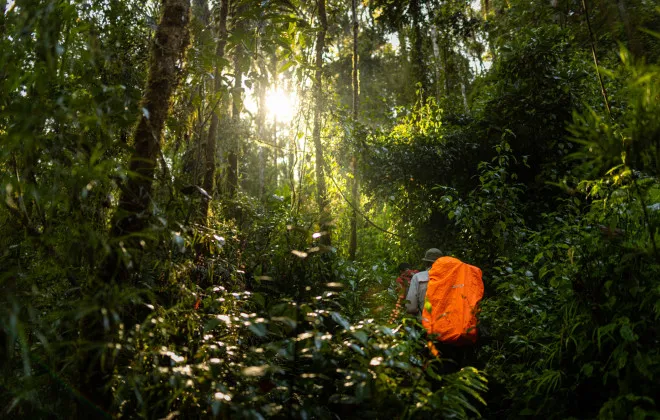
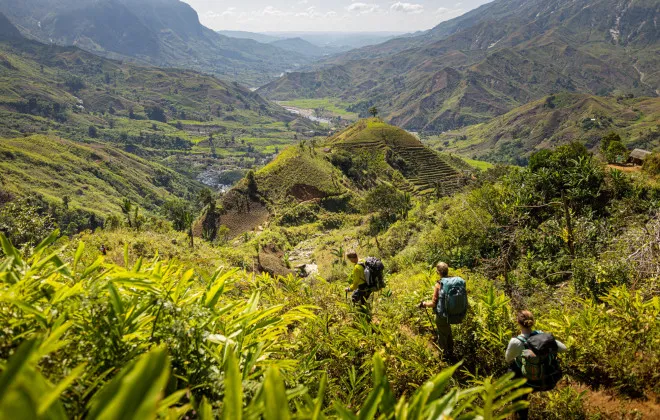
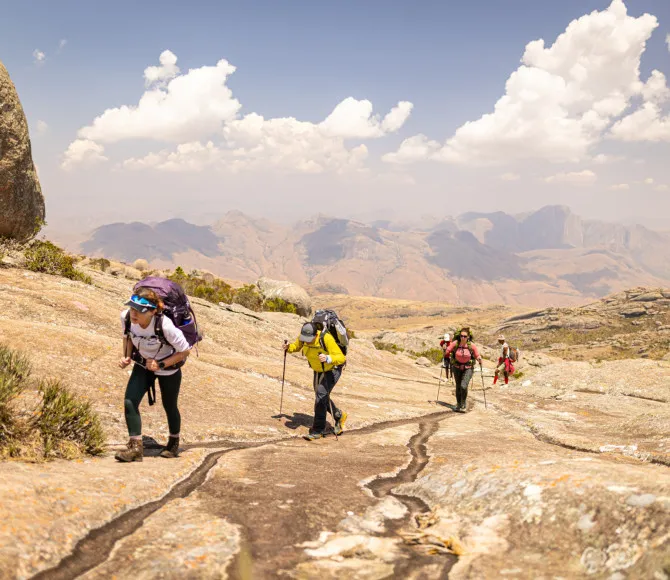
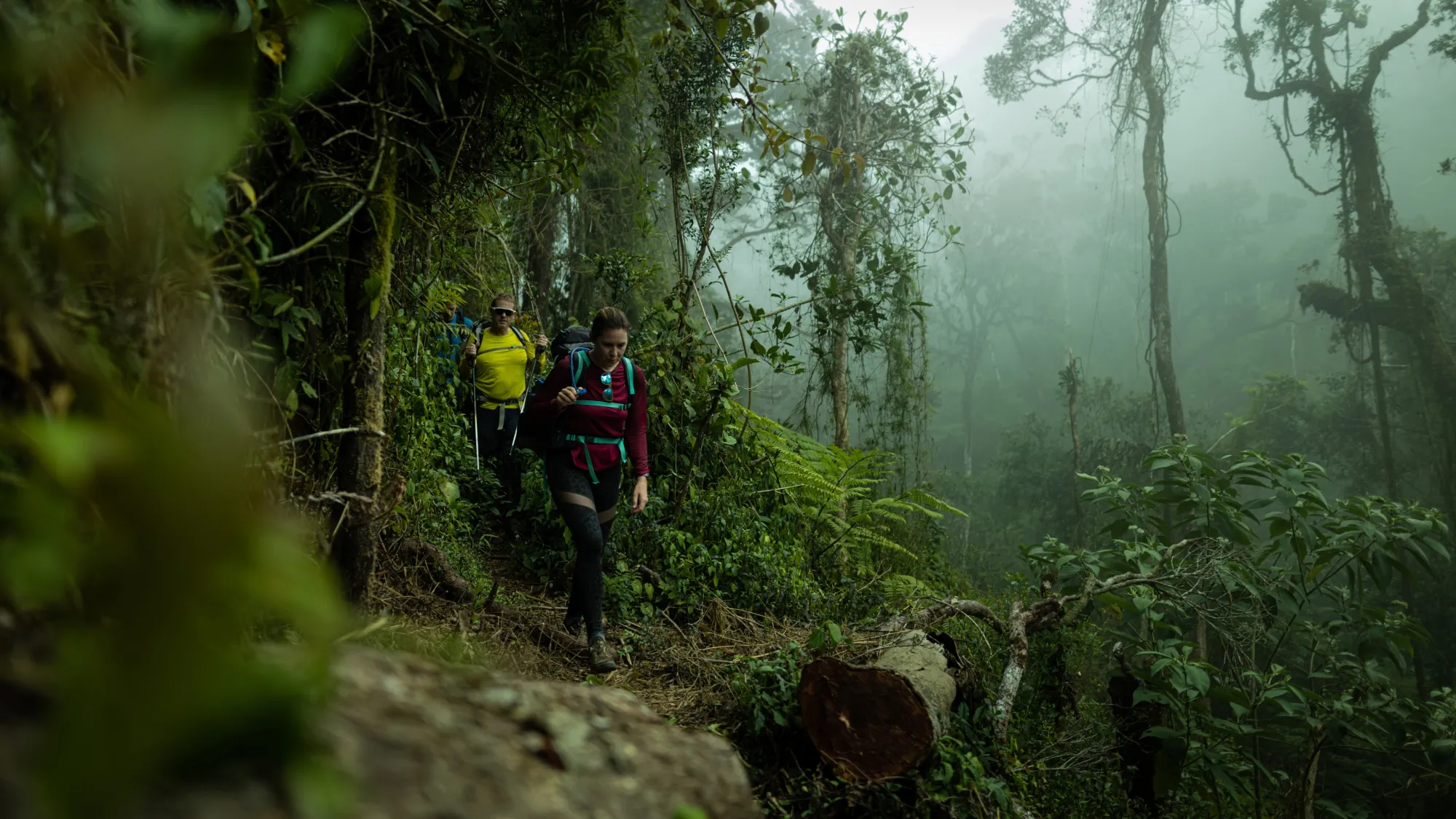
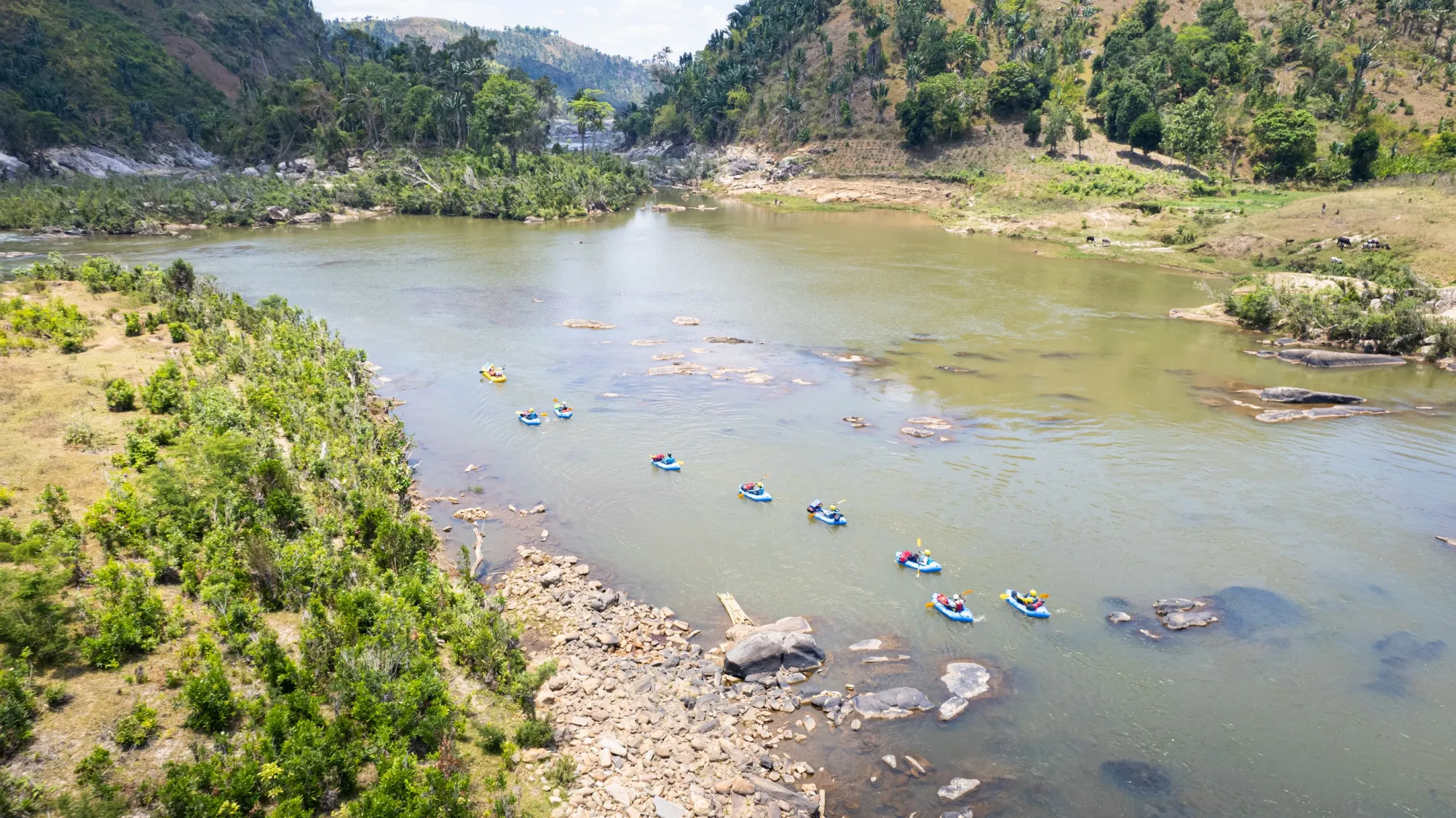
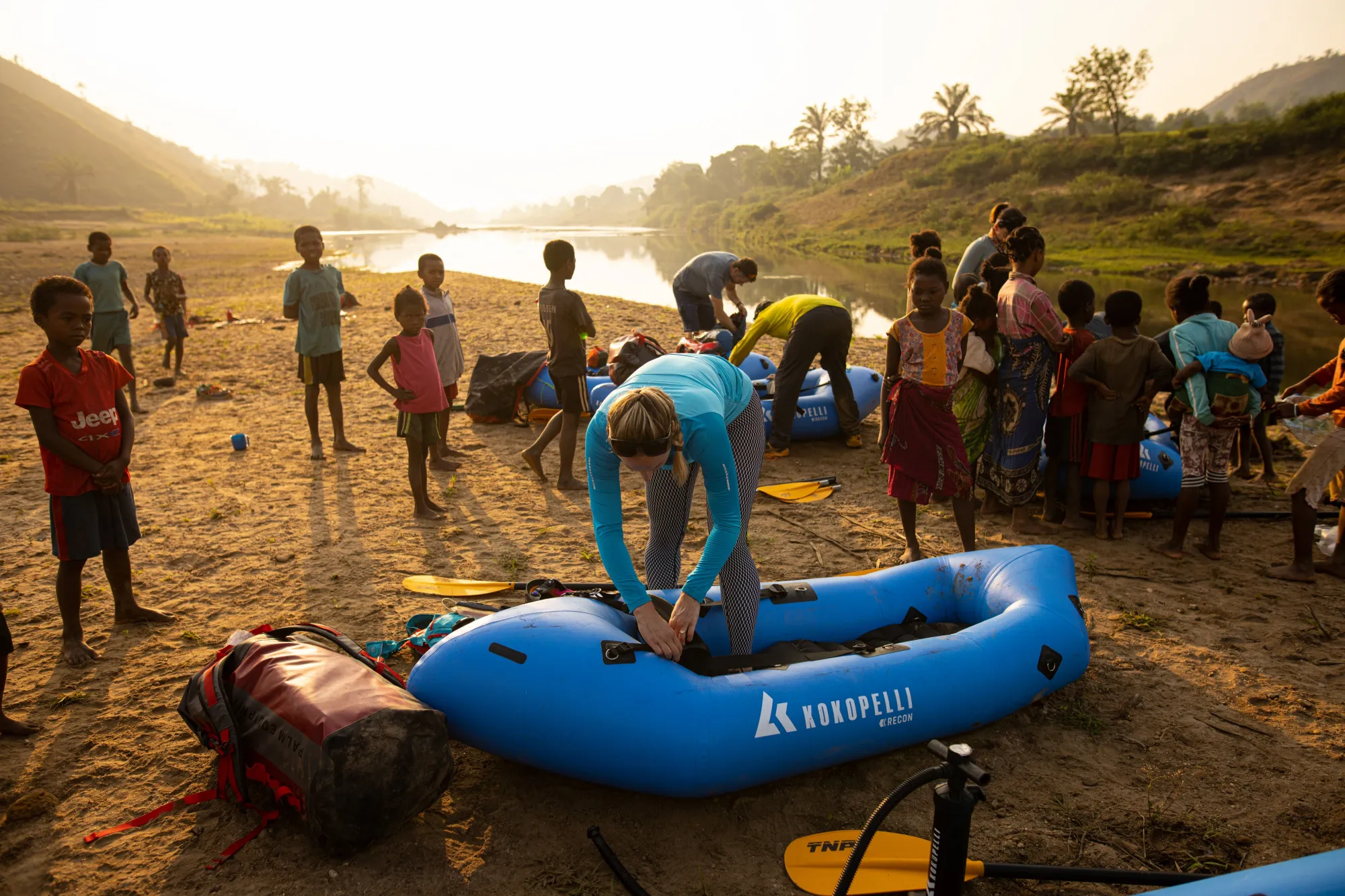
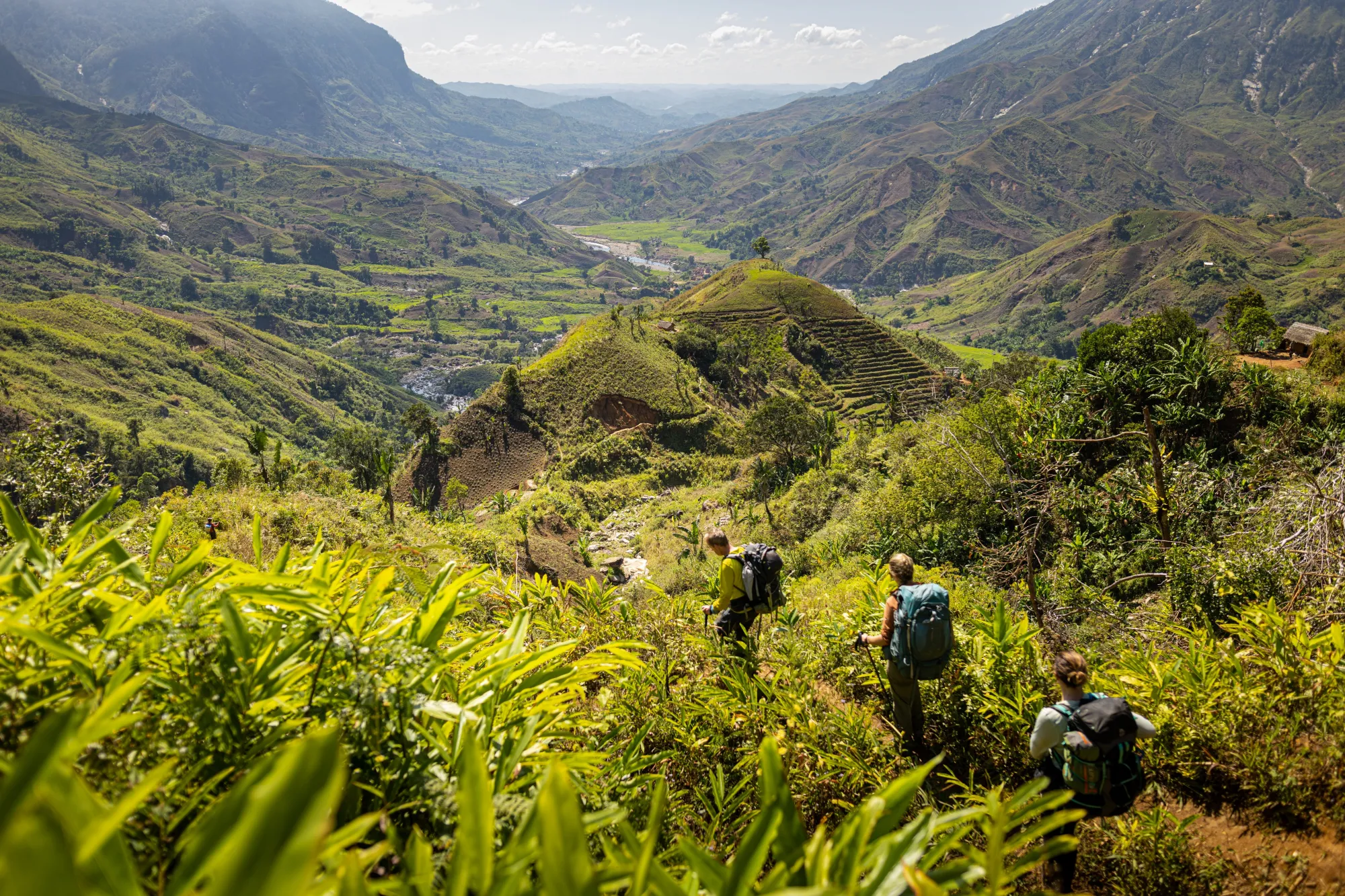
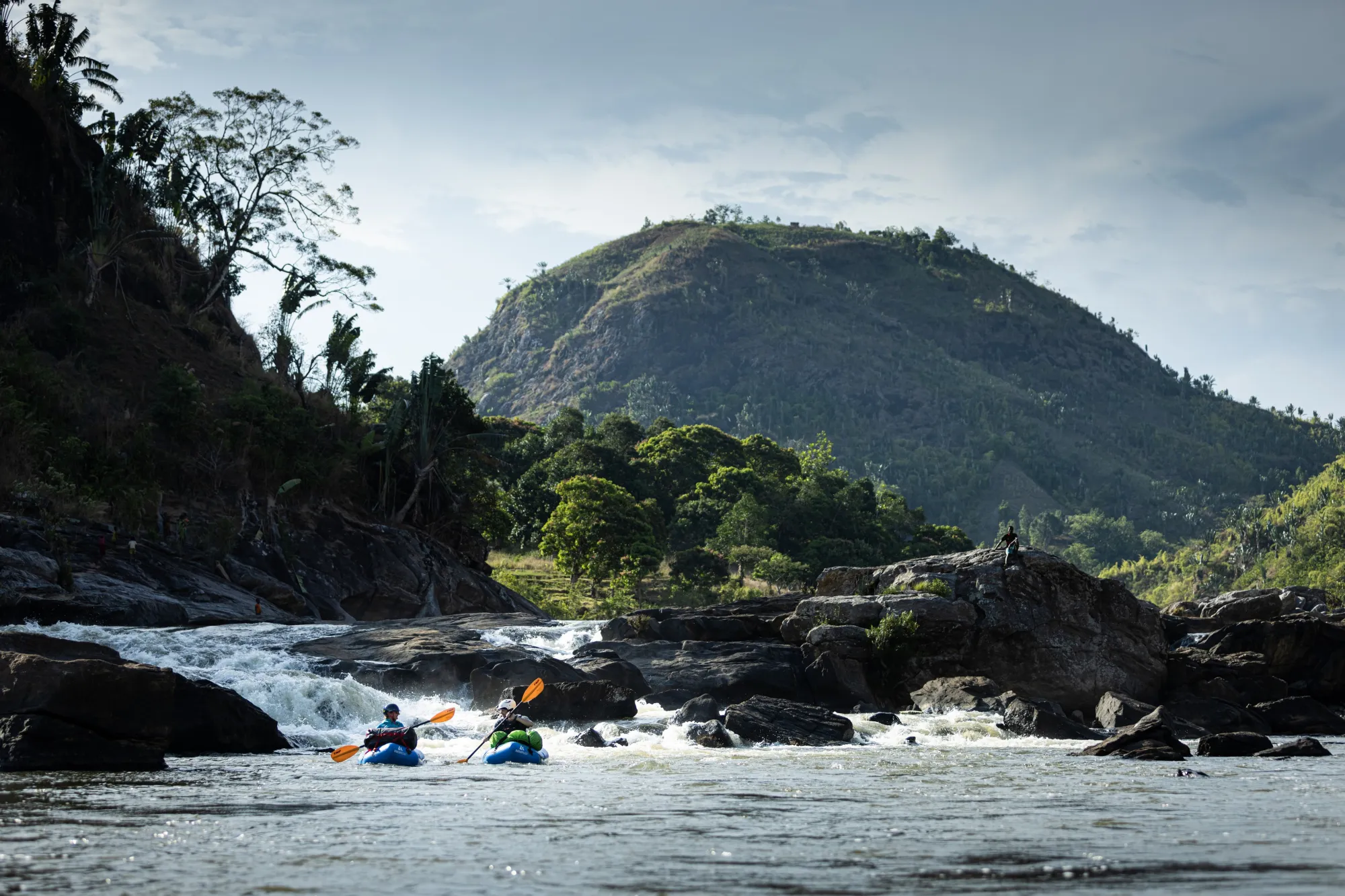
During the land phases, you will be carrying your personal equipment with tents, stoves, emergency kit and food carried by porters. Once on the river, all of your equipment including communal kit provided by our Operators, will need to fit inside your rucksack. Note on clothing: Wet/Dry kit. You need one set of clothing to wear in the day which will get wet on the jungle and river phase and a second set to put on in the evening.
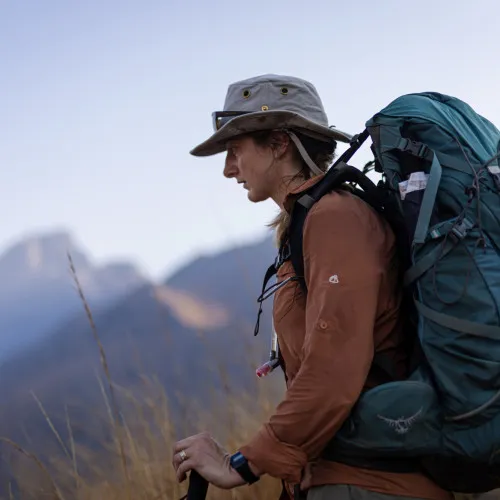
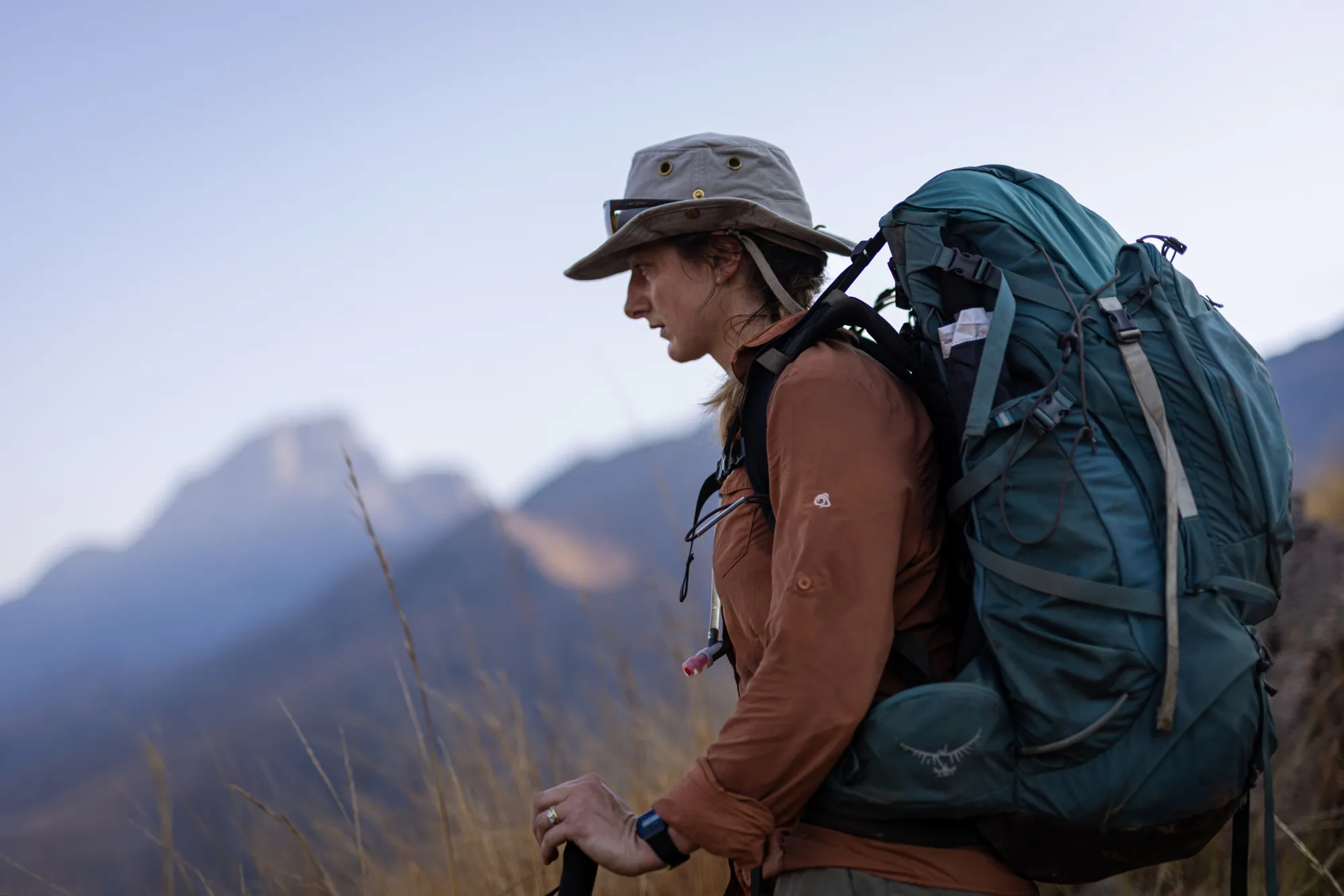
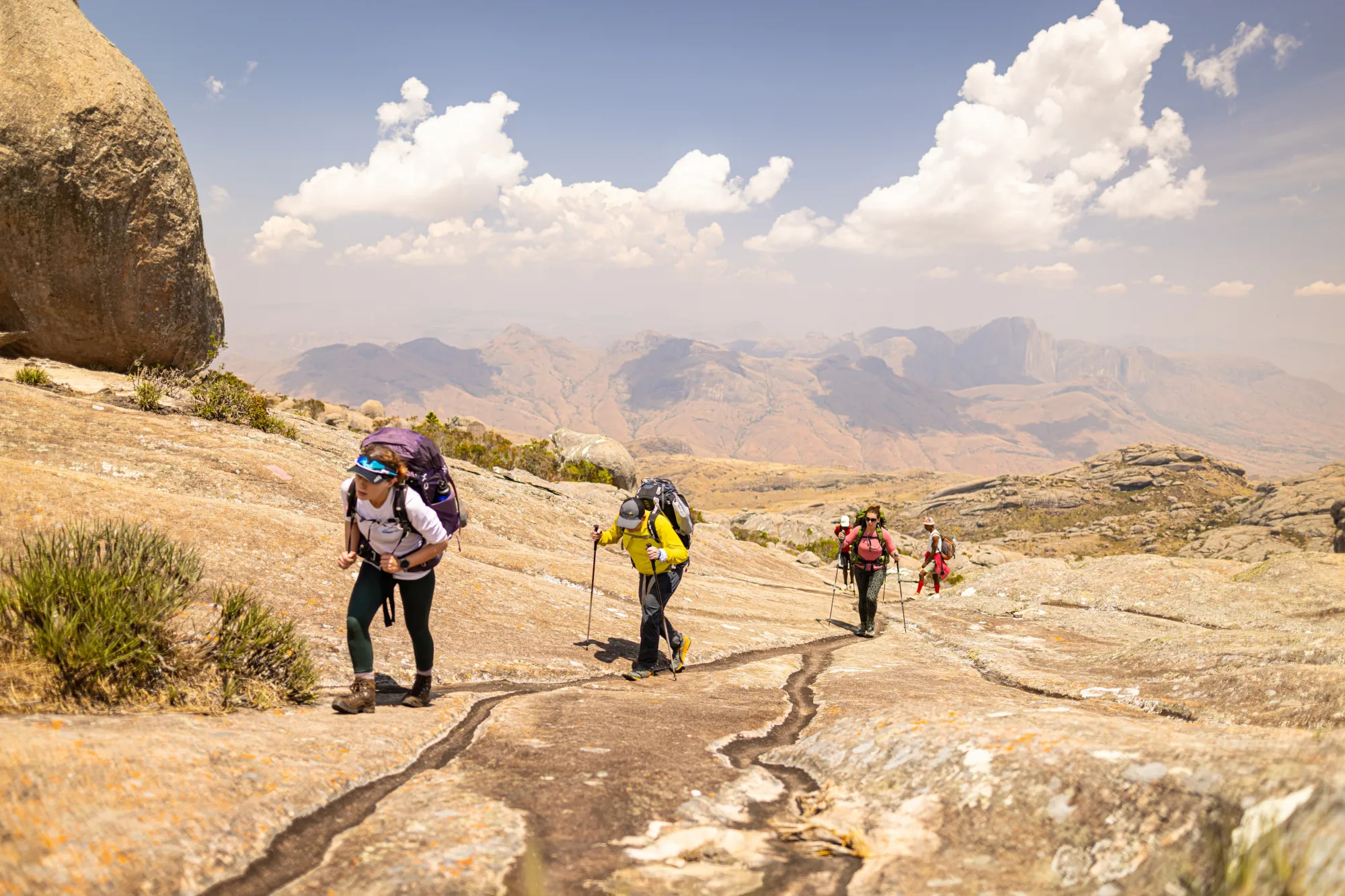
Rucksack (minimum 60ltr) A comfortable rucksack that fits your back, a good outdoor shop will be able to help with fitting. All your personal gear needs to fit easily into this pack plus your food and tents during theriver phase. Extra kit eg. travel clothes, can be left at the hotel in Antananarivo.
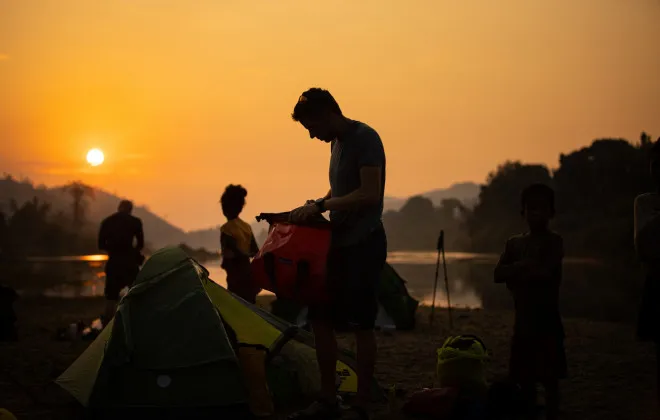
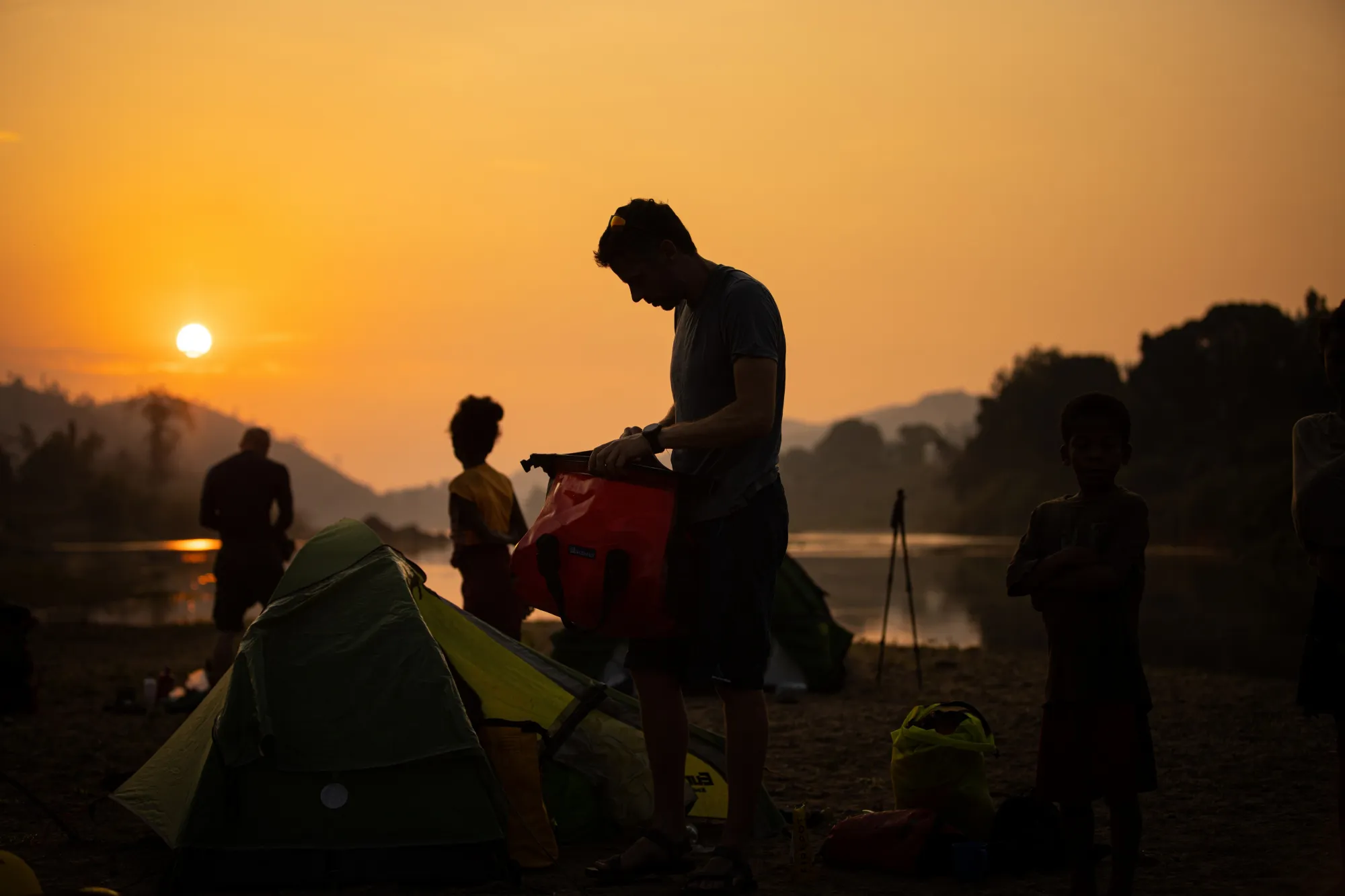
Waterproof Rucksack liner - Sealable “canoe” or “dry” bags made by Podsac or Ortlieb. You need a large one to line your rucksack. In the raft your pack. WILL GET WET!
Smaller drybags – As above, but smaller bags to put essential items in. The large rucksack liners will leak so anything important needs to be waterproofed individually. Please bring additional dry bags (named) to store your expedition rations in as these will be carried by porters during the land phase.
Transition bag – A dry bag or. similar small, lightweight option to hold your food and specific
kit for the rafting phase. This will meet you at the packraft transition and will not be accessible for the initial land phase. Please ensure the bag is named.
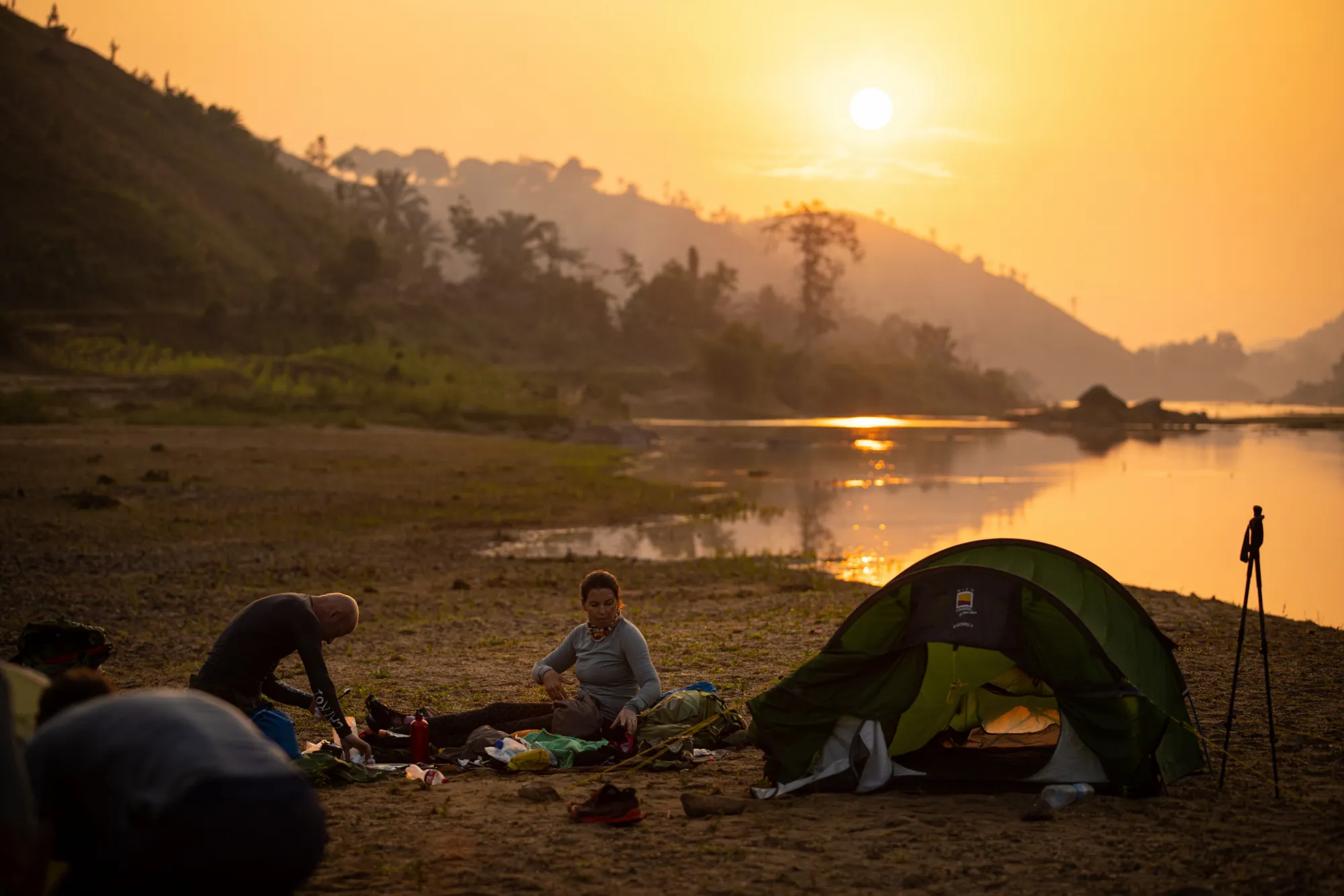
Sleeping bag rated to 0 comfort – At altitude the temperature drops at night - in the mountains it may hover around freezing, if you know you sleep cold please adjust accordingly. It will be much warmer as we near the coast.
Sleeping bag liner – For use at lower altitudes instead of a sleeping bag.
Rollmat – Thermarest or equivalent. Bring a repair kit if it’s inflatable.
Waterproof wallet – For your passport, essential documents and money.
Clothing
Long sleeve tops x 2 – Long sleeve tops (for sun and insect protection) that dry quickly. Avoid blue/black clothing as it attracts flies.
Long trousers x 2 – Thin, wicking sports leggings. Full length essential for protection from
insects and vegetation.
Jacket/fleece – The evenings are cold at altitude.
A lightweight synthetic jacket may pack smaller/lighter than many fleece options.
Waterproof jacket - Lightweight Gore Tex or equivalent.
Hiking sock x 4 – Light weight trekking socks.
Trail shoes – Ensure your shoes are very well worn in and really comfortable with grip suited to varied terrain. ‘Mid’ shoes with ankle support give good support when carrying load, but are not essential. Try and avoid Gore-tex liners as your feet find it harder to breather and the shoes do not dry easily when wet.
Sports sandals / river shoes – Around camp and on the river. Ensure secure and comfortable. Not flip flops!
Sun hat – Wide brimmed sun hat.
Cap or visor – For use under a helmet in the boats.
Paddling or cycling gloves – Half-finger padded gloves are great for rafting.