We Value Your Privacy
We use cookies to enhance your browsing experience, serve personalised ads or content, and analyse our traffic. By clicking 'Allow All', you consent to our use of cookies. For further details, please see our cookies policy.
We use cookies to enhance your browsing experience, serve personalised ads or content, and analyse our traffic. By clicking 'Allow All', you consent to our use of cookies. For further details, please see our cookies policy.
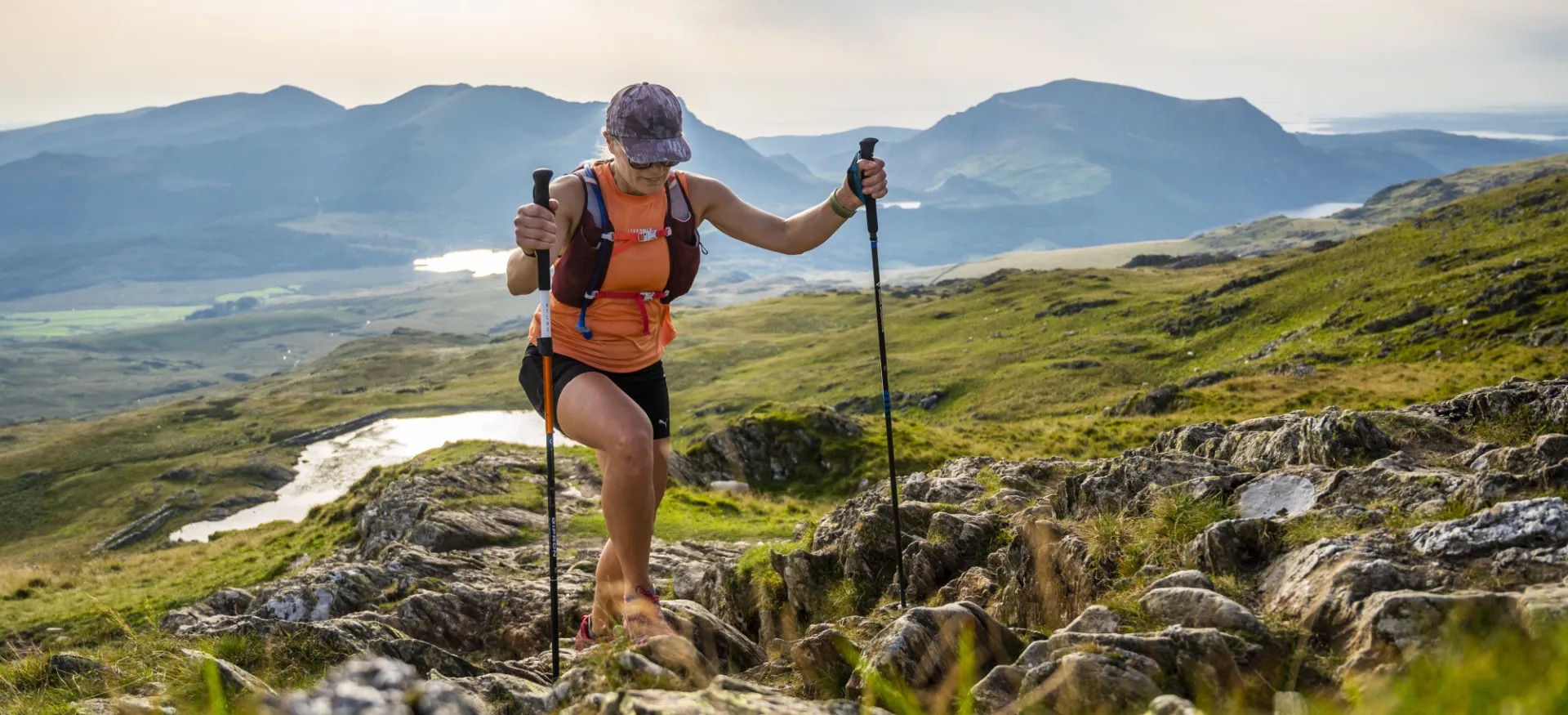
For decades, ultramarathons have been seen as the pinnacle of running. You’ve got to be a pretty serious runner to think about going beyond 26.2 miles right? The distances sound crazy and they seem to be getting longer, more challenging and more extreme. The mental and physical fatigue that goes hand in with hand with ultras have shaped it into one of the most brutal tests you can do as a runner.
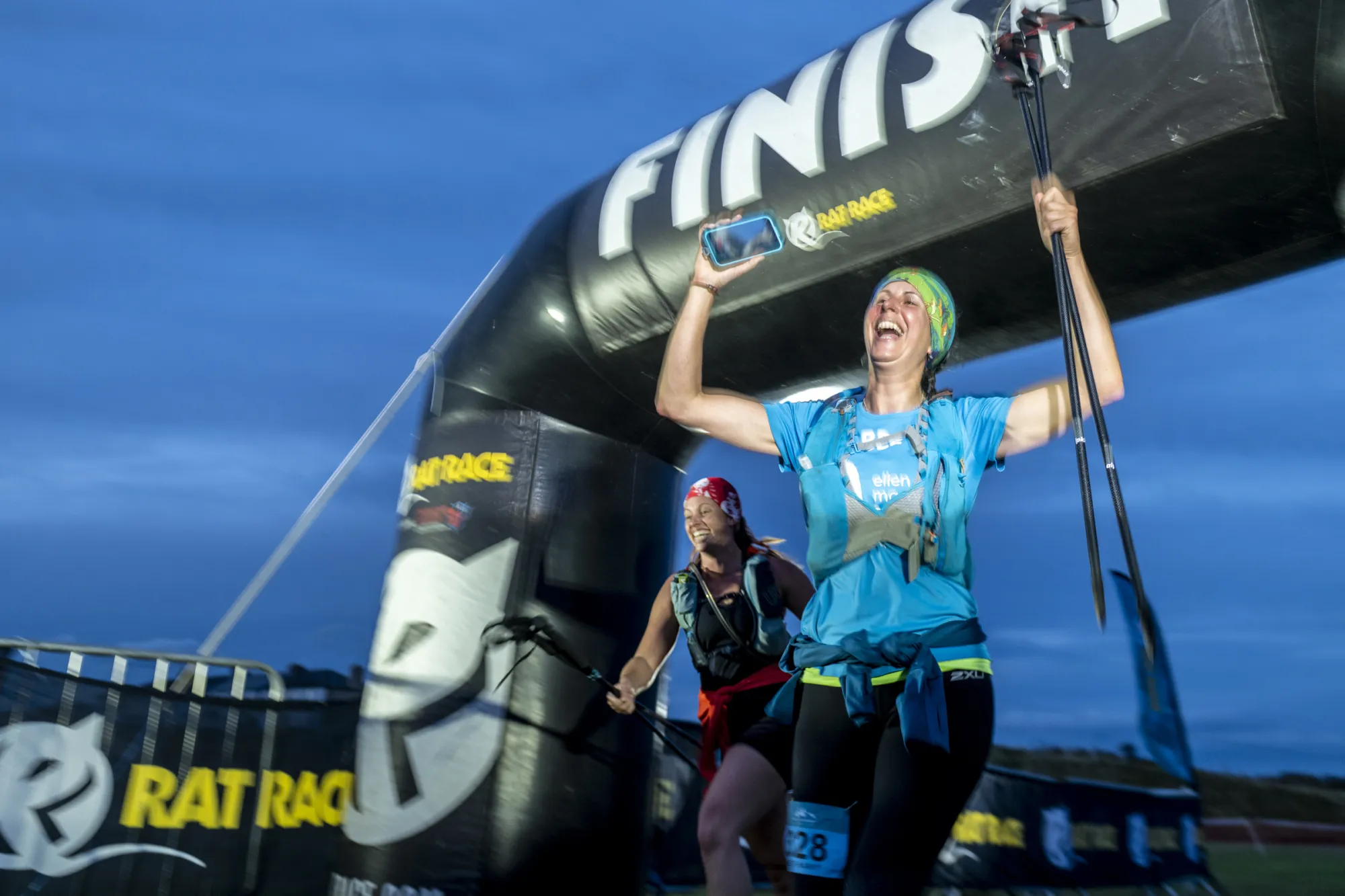
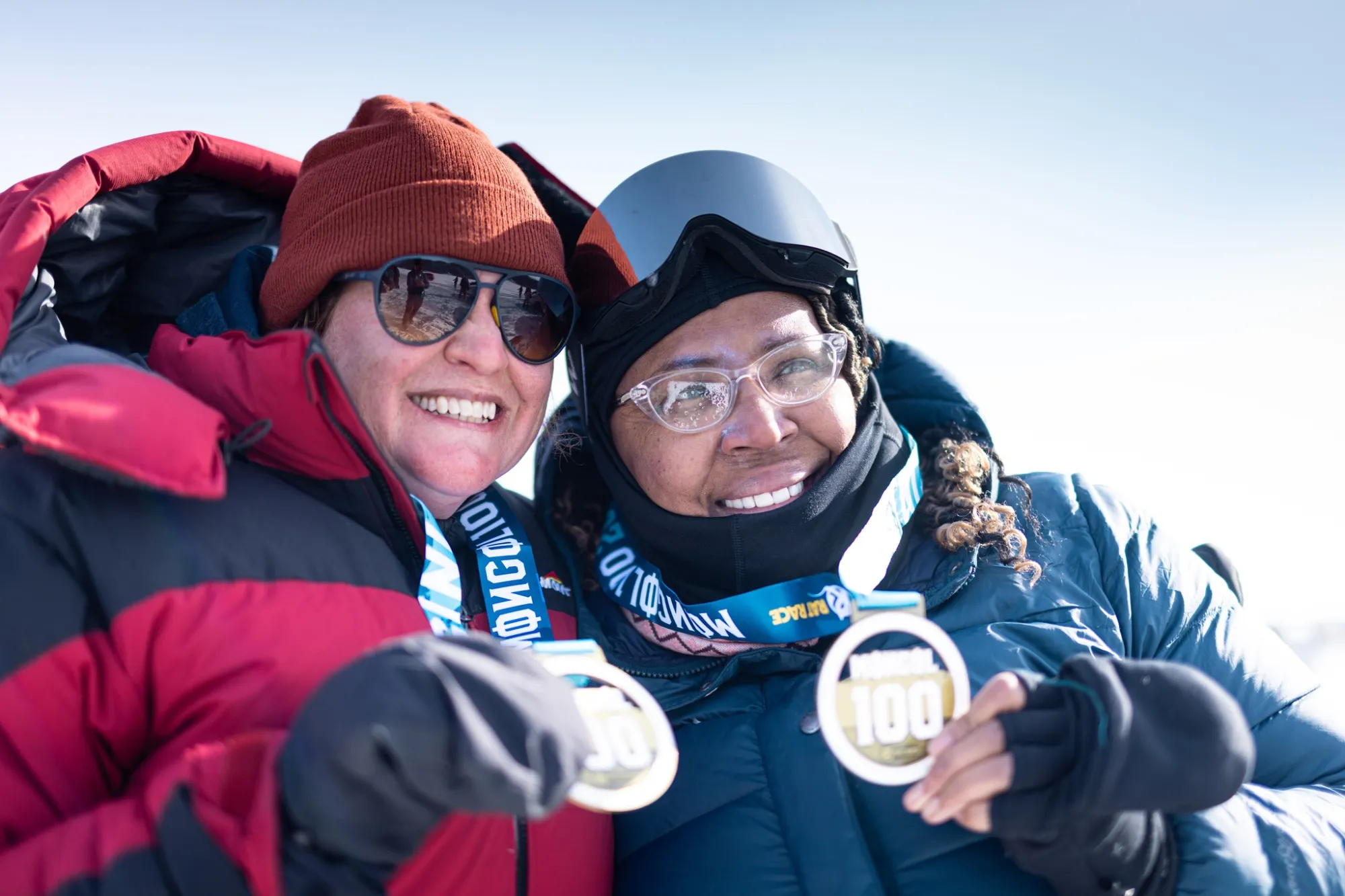
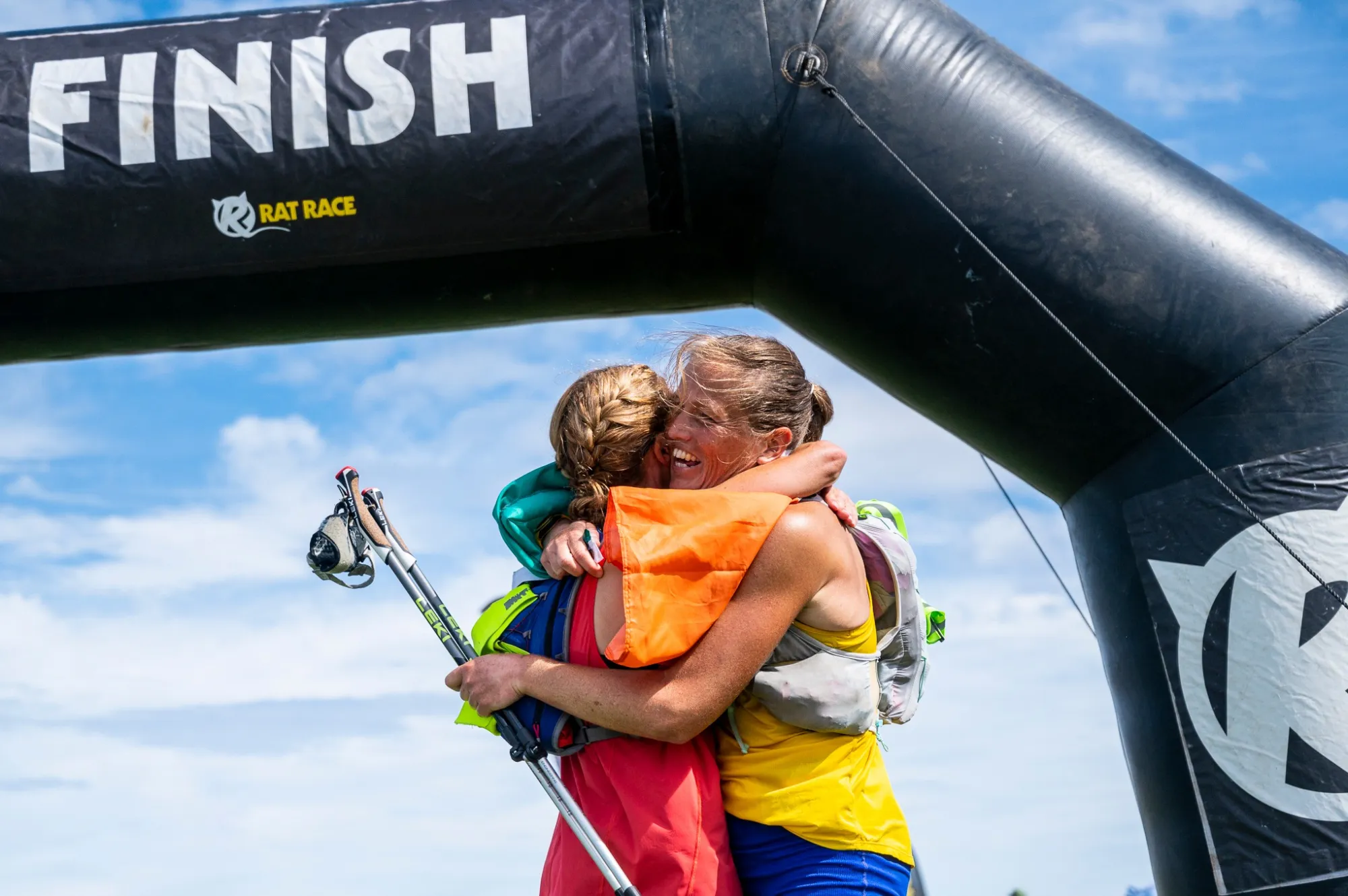
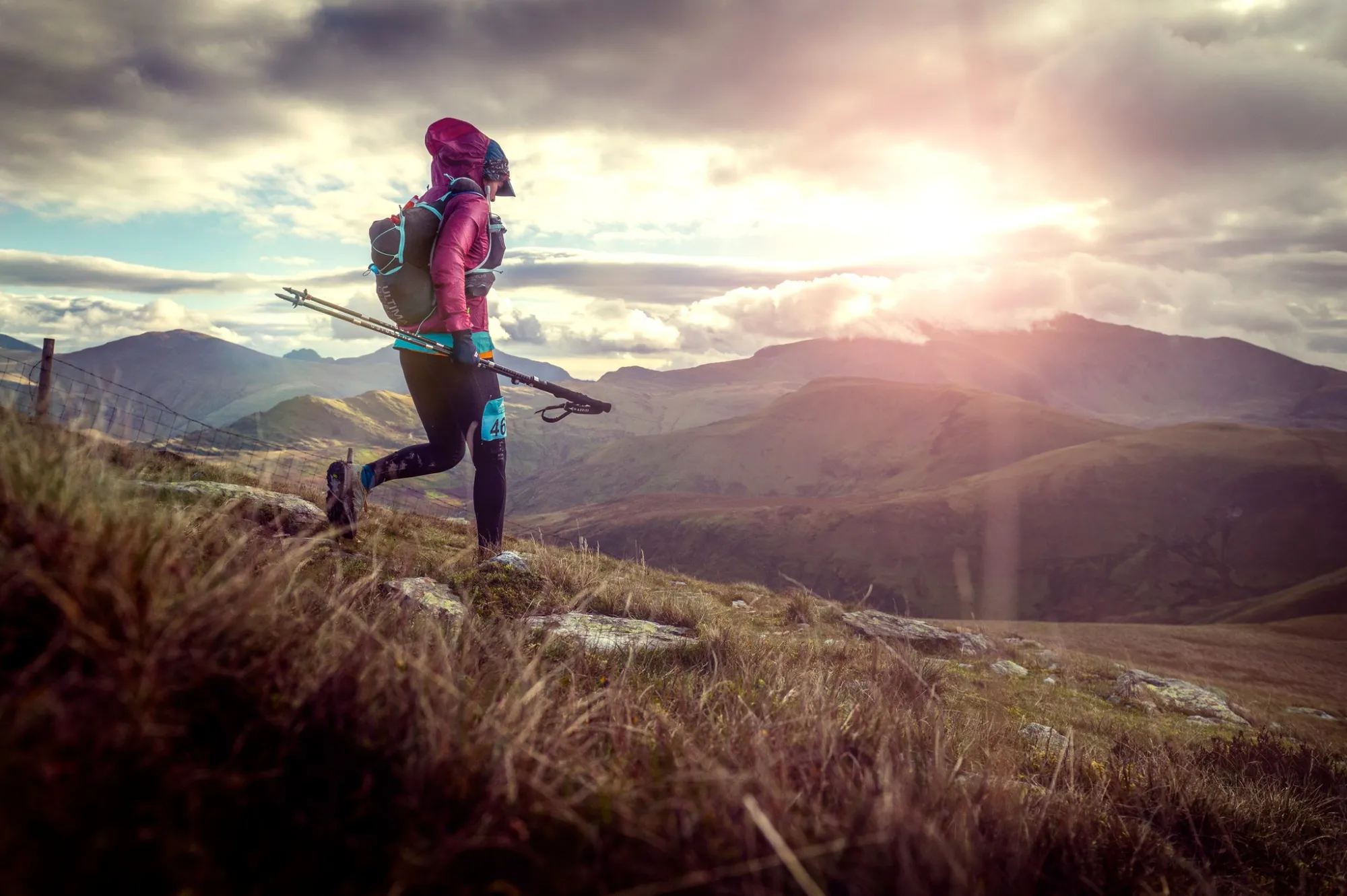
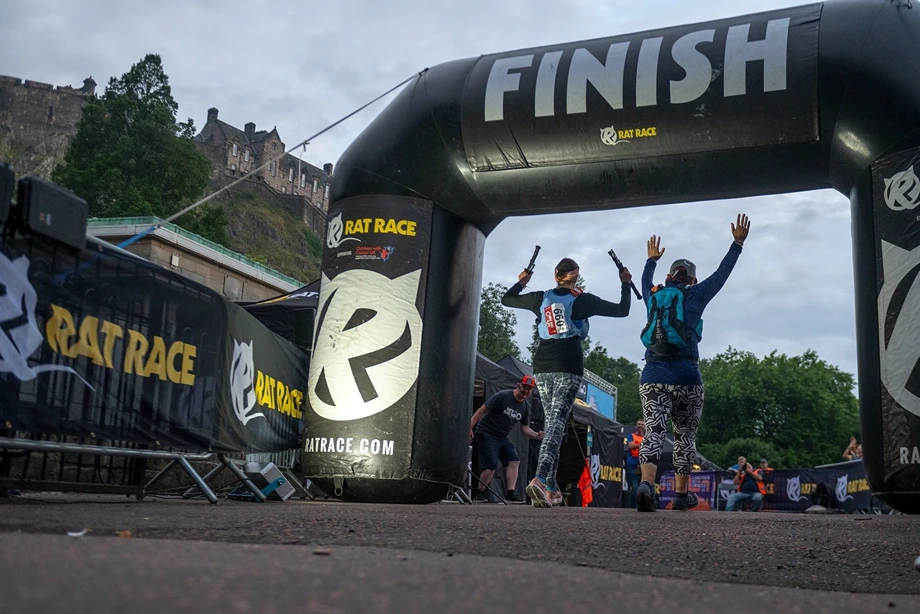
They have been a traditionally male dominated field, but in the past few years there has been a noticeable swing. The numbers of women taking part in ultramarathons are on the rise and women aren’t just competing in ultramarathons, they’re winning them. Outright. Against men. In July 2025, the inaugural Rat Race 100 took place, our flagship 100 mile ultra from Bamburgh to Edinburgh castle, and the first person to cross the line was Anna Rutherford. A clear 2 hours ahead of the second runner and the first man.
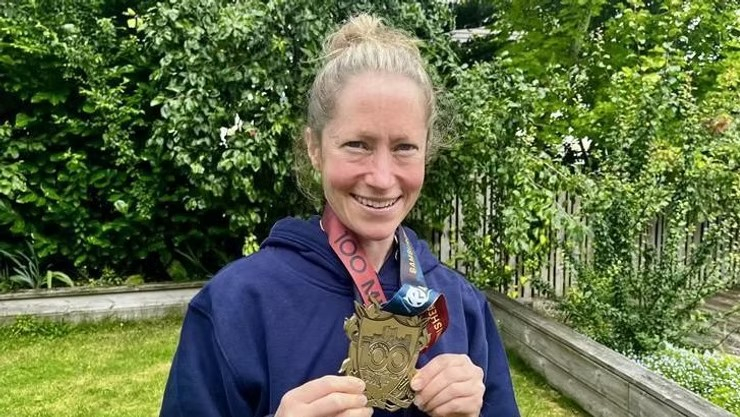
Anna Rutherford was the first person to cross the line at the Rat Race 100
It’s no longer just anecdotal: science backs up what we’re seeing on the finish line. When it comes to extreme endurance, women often perform better over longer distances and durations.
Why?
Fat metabolism: Women tend to burn fat more efficiently, giving them a steady energy source over ultra distances.
Pain tolerance and pacing: Studies show women pace more consistently and may manage pain and discomfort more effectively.
Mental endurance: Ultrarunning is as much mental as physical, and women are shown to be more resilient in the face of fatigue, cold, sleep deprivation, and discomfort.
This isn’t about saying women are better then men, it’s about recognising that women excel in different ways, especially when the challenge gets longer, harder, and more complex.
In recent years, we've seen a wave of phenomenal performances:
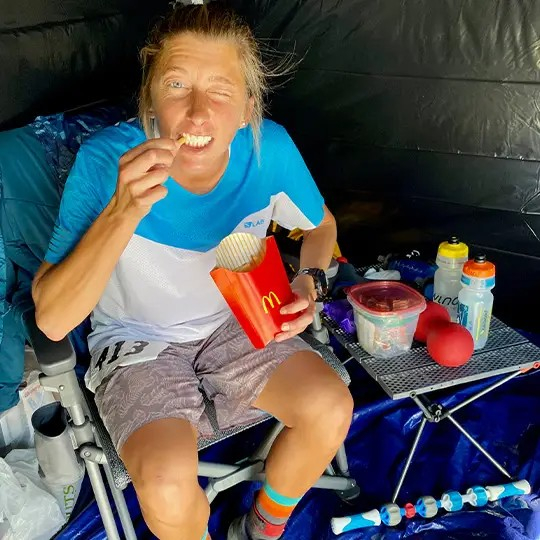
Arguably the queen of ultrarunning, Courtney has won some of the world’s most prestigious ultras outright, including the 2023 Western States 100, Hardrock 100, and UTMB all within 10 weeks.
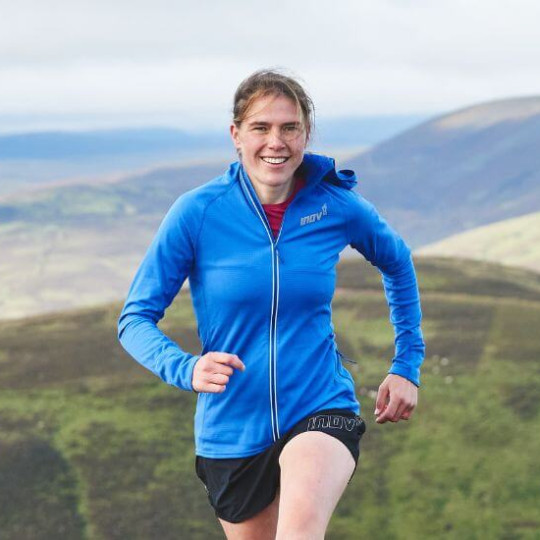
Made headlines as the first woman to win the Spine Race, a brutal 268-mile race through the Pennines in winter, while stopping to express breast milk during the race.
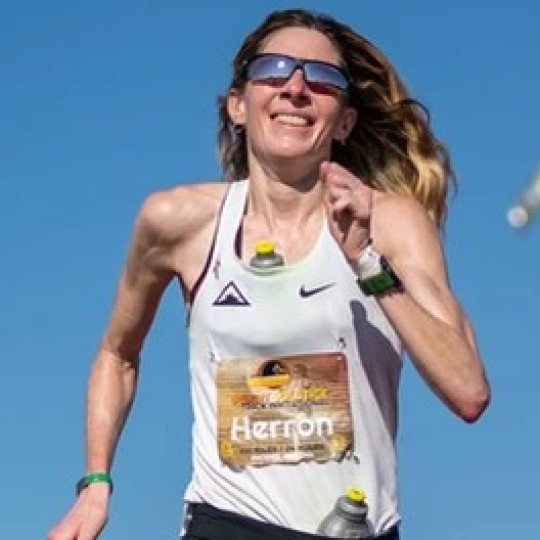
Holds multiple world records in 24-hour, 100-mile, and 48-hour categories, often outperforming male competitors.
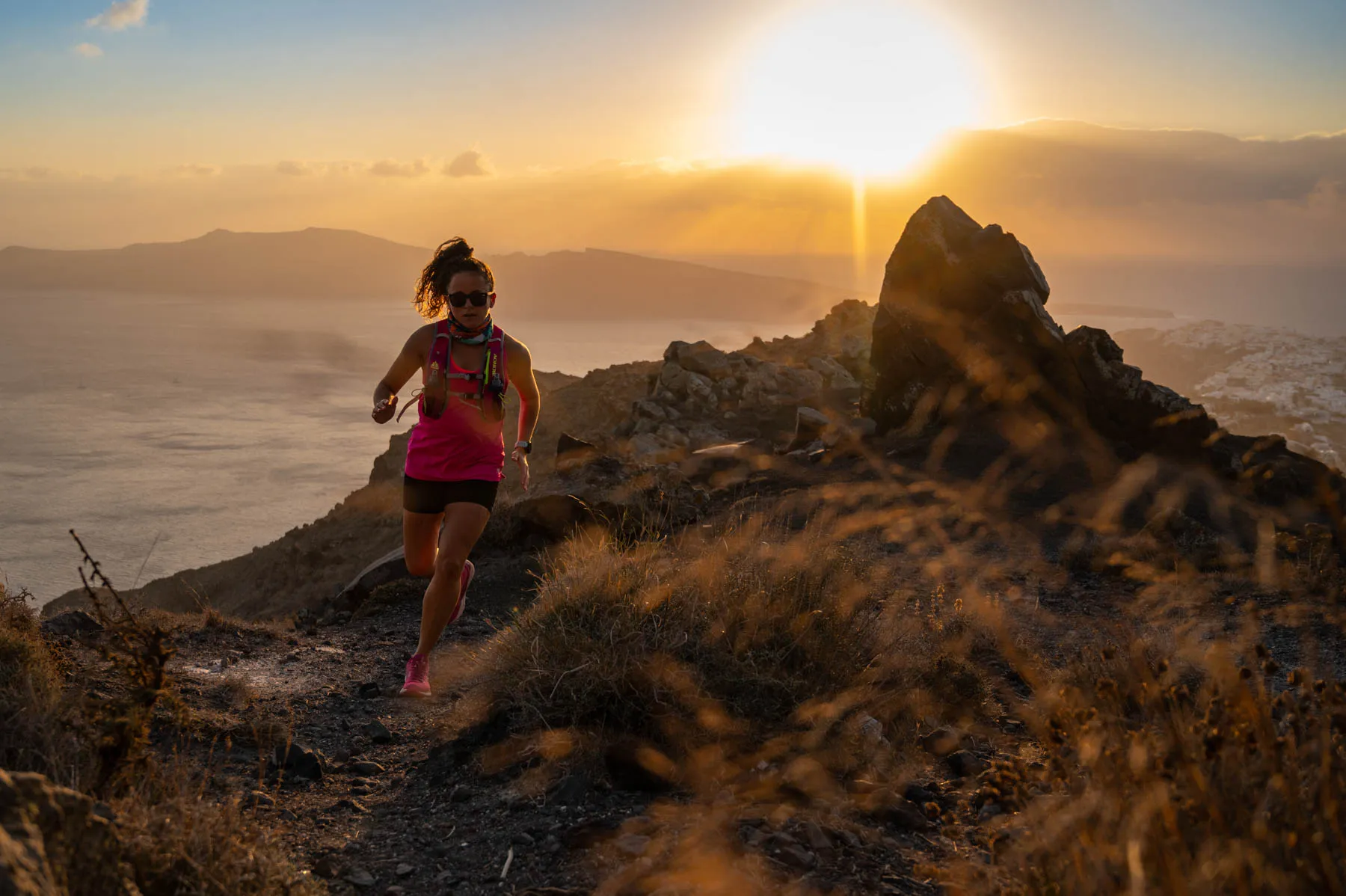
These women aren't anomalies, they're part of a global wave of female ultrarunners reshaping the sport.
At Rat Race, we believe adventure and endurance should be accessible, inclusive, and empowering for everyone. Here’s how we’re supporting women across our ultra and multi-day events:
Inclusive Kit Guidance: We have a female strong team behind our events and they are available for any female specific questions you may have in the lead up to your event. We offer specific guidance and tips on gear and clothing suited to women, including recommendations for fit, comfort, and practicality over long distances.
Pregnancy Deferral Policy: Life happens. That’s why we offer pregnancy deferrals over and above our standard transfer policy, change your entry into credit if your fall pregnant outside of our transfer window.
Female Crew & Community: Many of our events on the ground feature female Race Directors, Event Crew, medics and volunteers who understand the unique challenges women may face on ultra events from toilet access to period management. The full time RRHQ staff is 60% female with an all female customer service team who are always looking for ways to improve your experience with us.
Female-Friendly Facilities: Wherever possible, our pit stops, checkpoints and overnight locations provide adequate privacy and sanitation for all participants, including gender-specific toilets and changing areas.
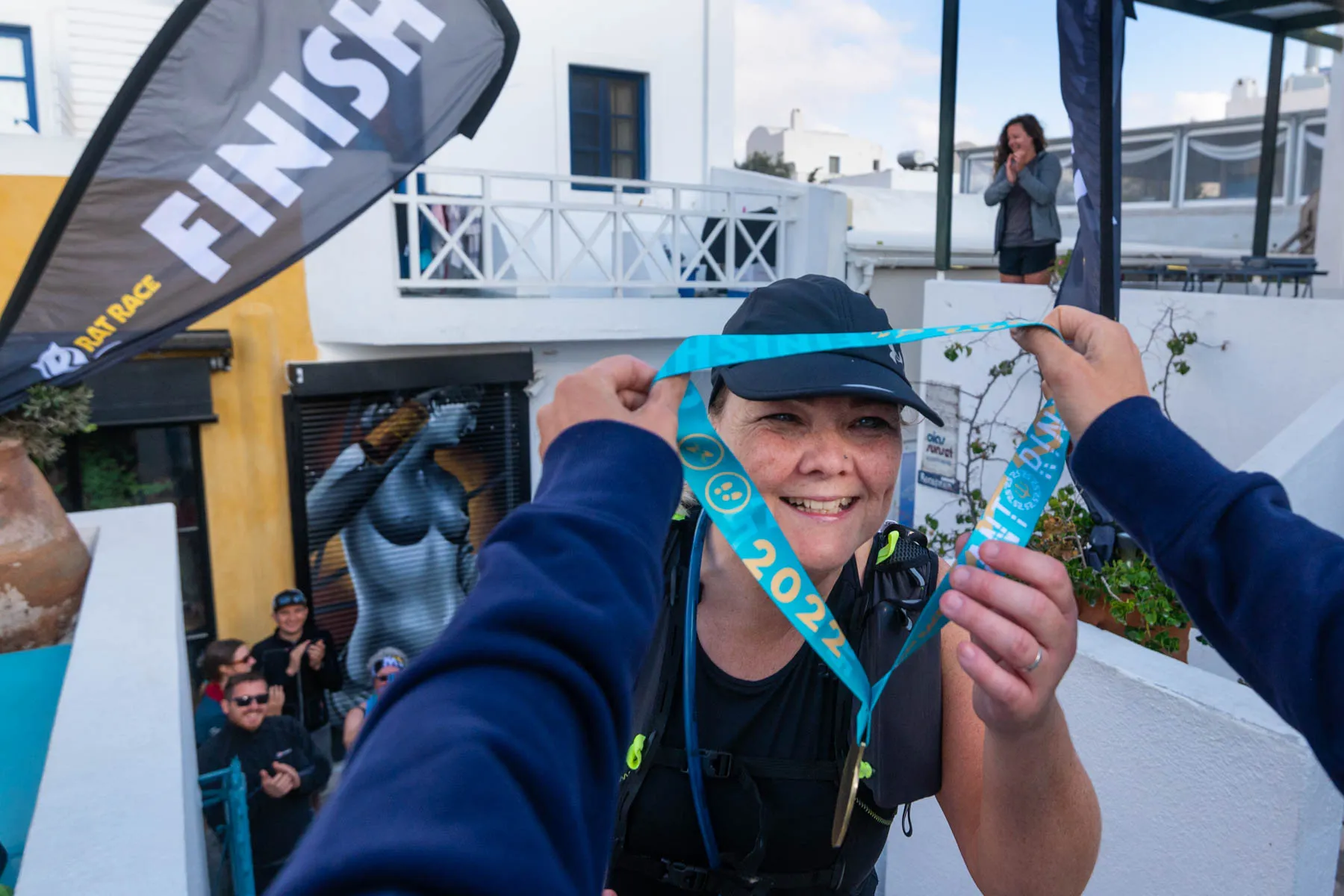
Empowering Storytelling: We actively highlight women’s achievements in our community, from first-timers to the super speedy, through blogs, videos, and social media. Representation matters, and we’re here to amplify female voices.
1. Representation and Visibility
More women shown to be taking part in events, leads to more women believing they belong on the start line.
2. Shift in Culture
Ultras are evolving to be more community-focused, inclusive and welcoming. We are exclusively non-competitive as a company, which takes the pressure and expectations off on the day.
3. Access to Support
Better kit, more coaching and training that is female focused, and smarter conversations around women’s needs during an event helps break down barriers to increasing female participation.
Women now make up over 30% of ultra participants globally, a number that continues to rise.
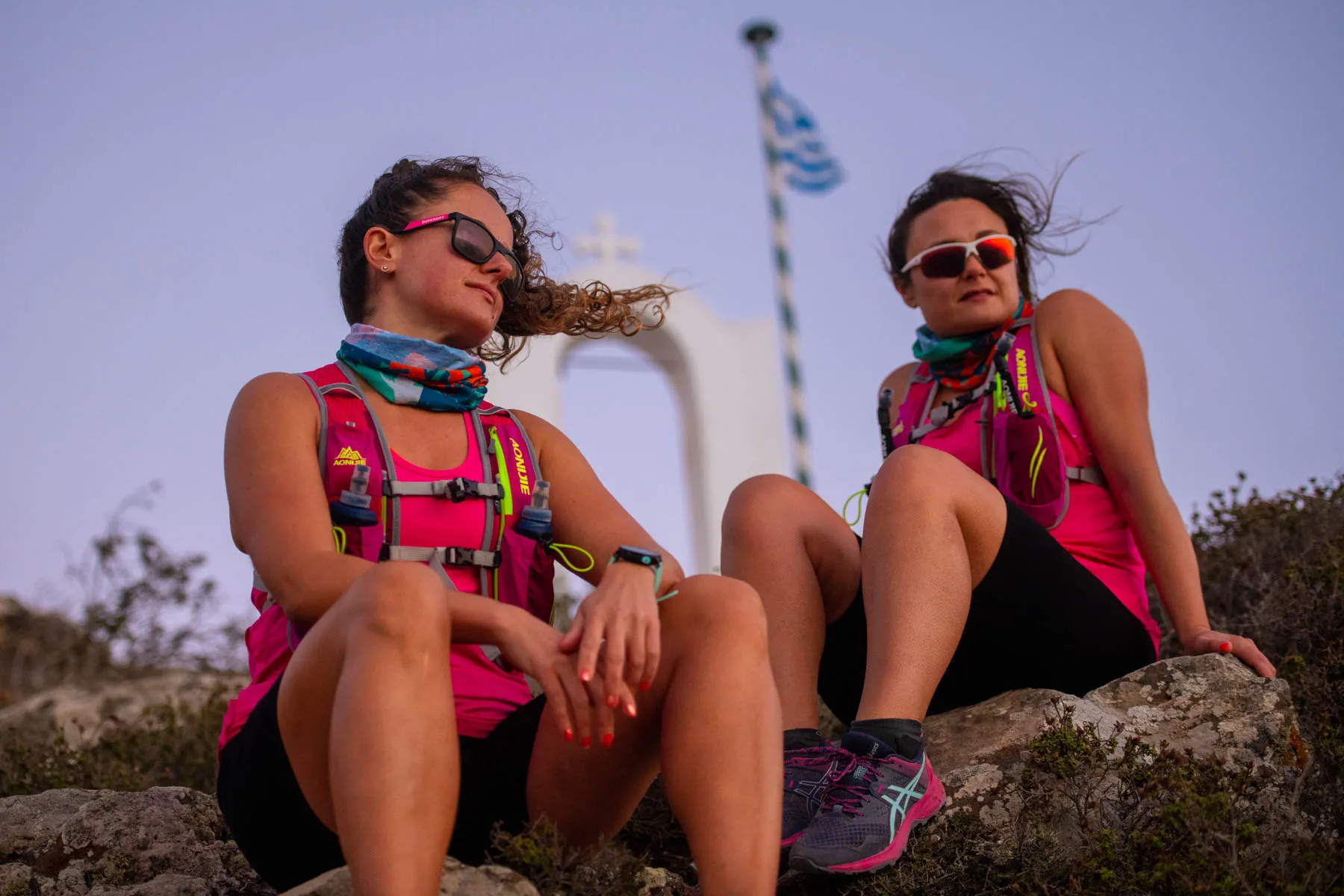
At Rat Race, we’re proud to be ahead of the curve. Our flagship ultrarunning event, the Rat Race 100, boasts an incredible 43% female participation rate for 2026, the highest in the UK ultra scene. That’s not a fluke; it’s the result of intentional inclusion, thoughtful event design, and building a community where women feel welcome, supported, and strong.
If you’re a woman thinking “Could I do something like that?” the answer is yes.
And at Rat Race, we’re here to support you every step of the way.