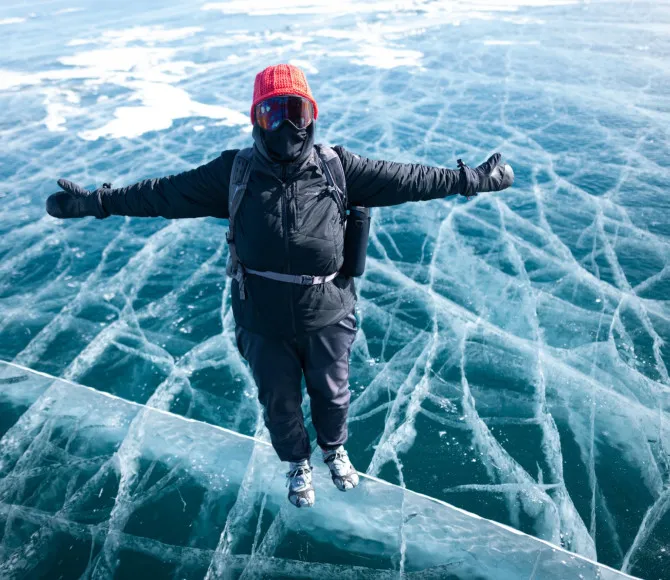
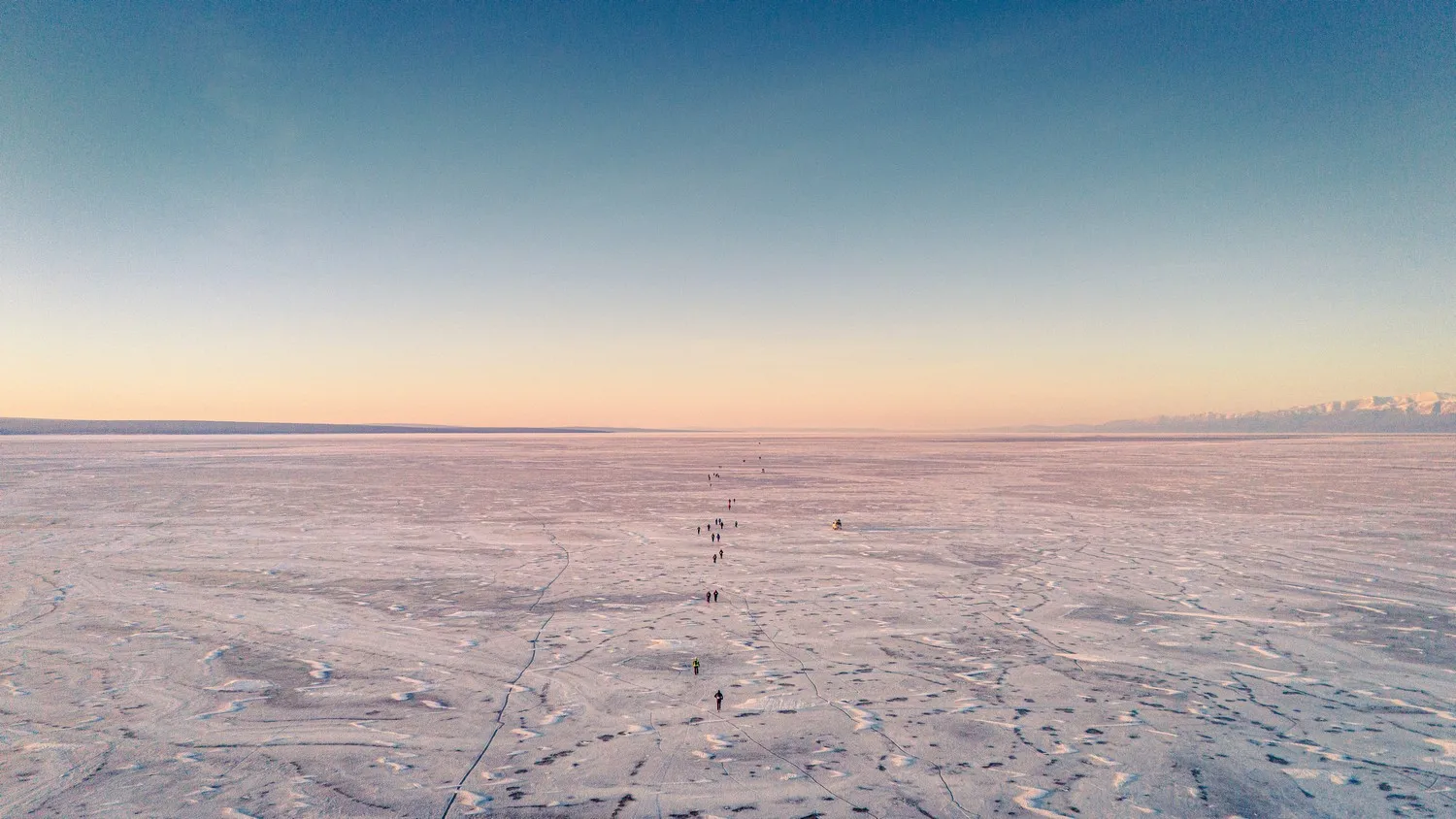
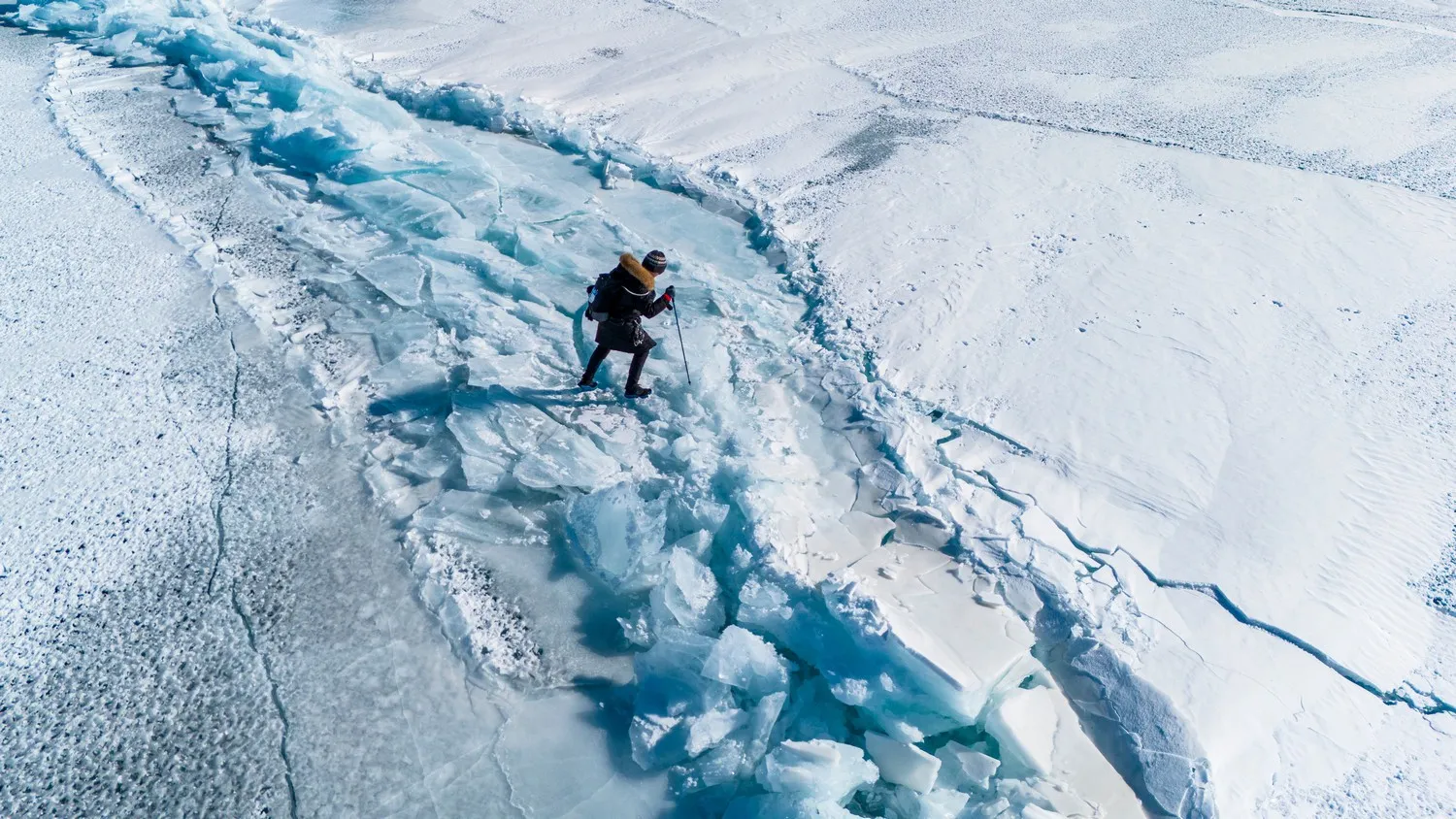
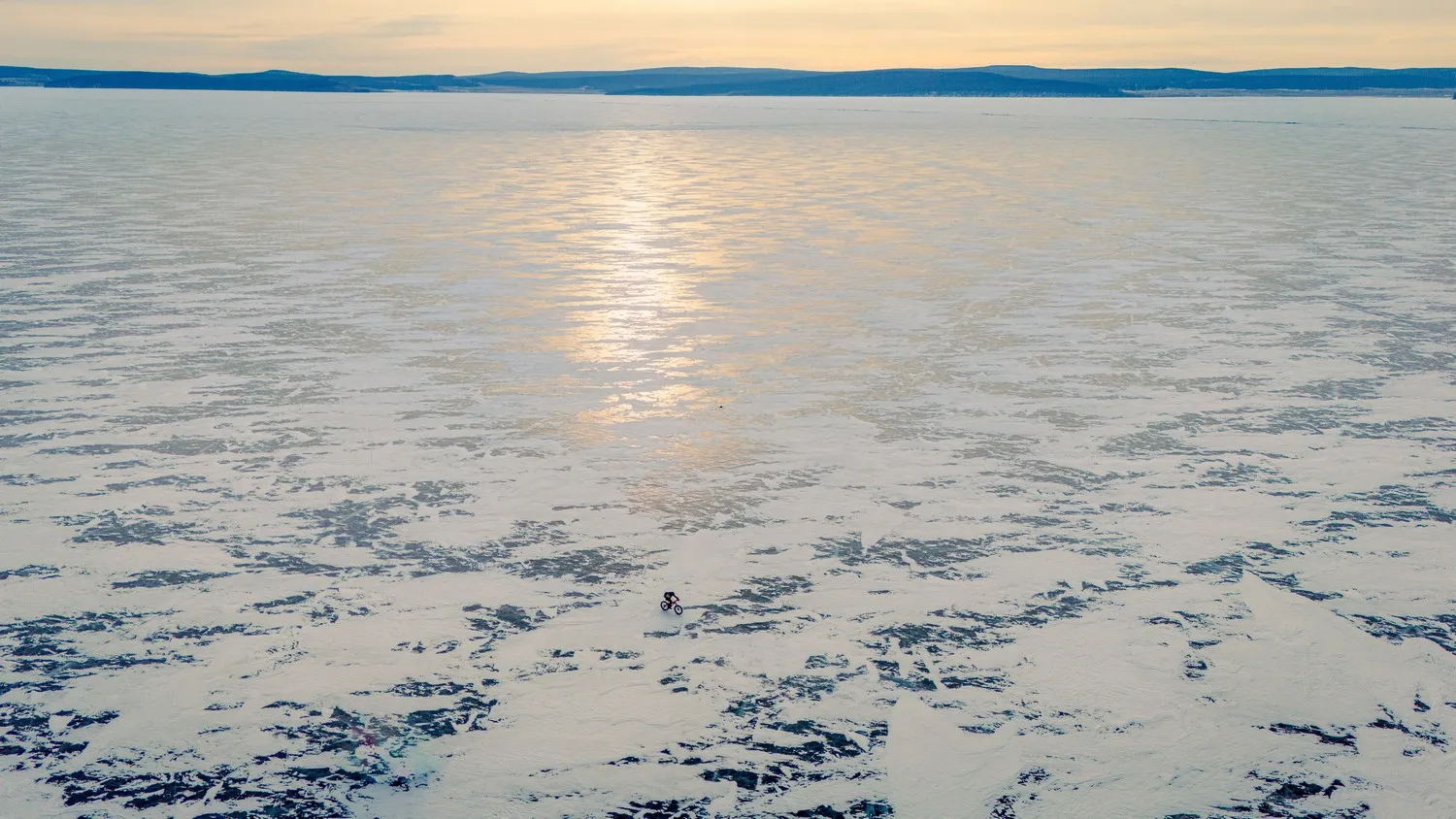
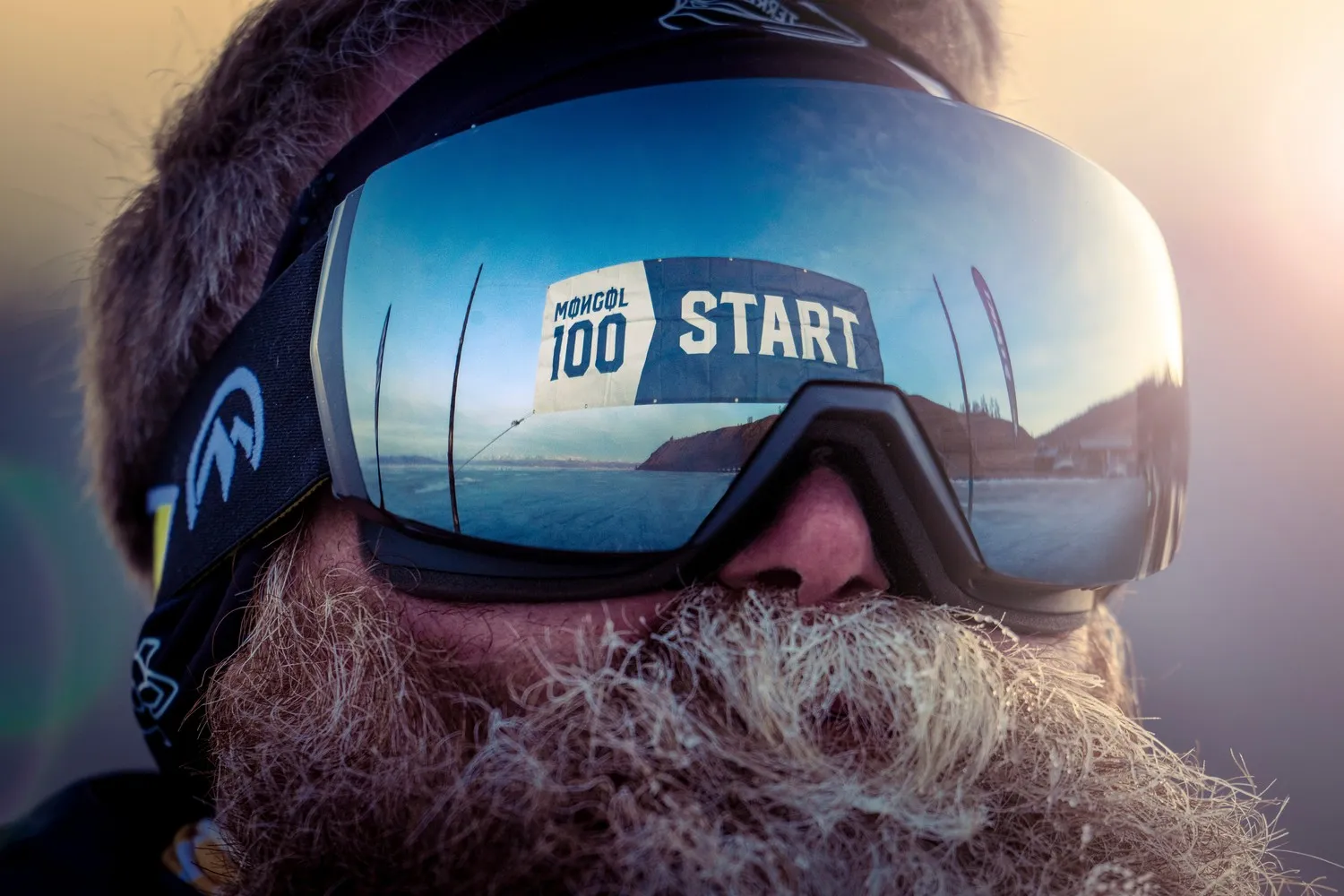
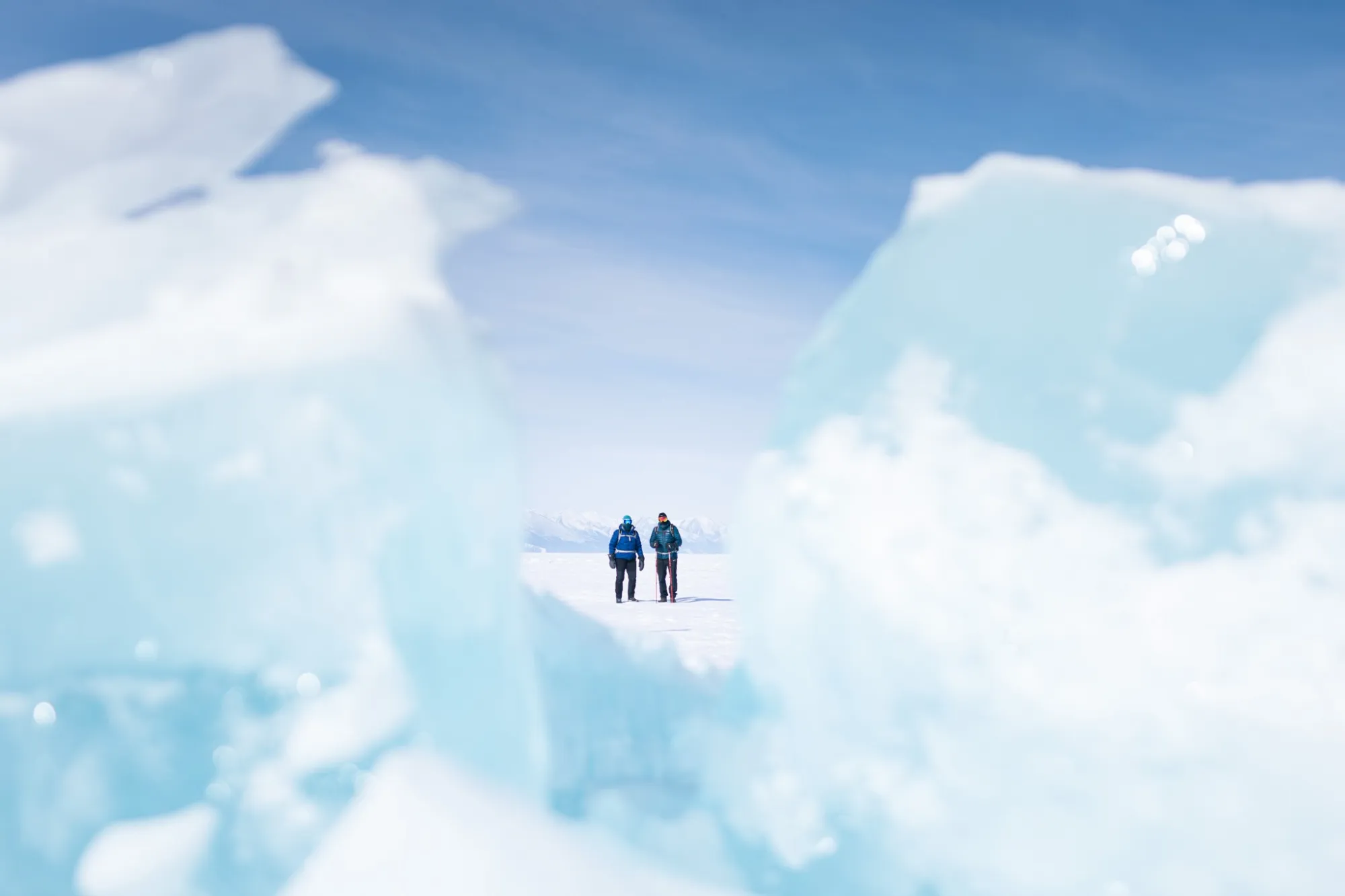
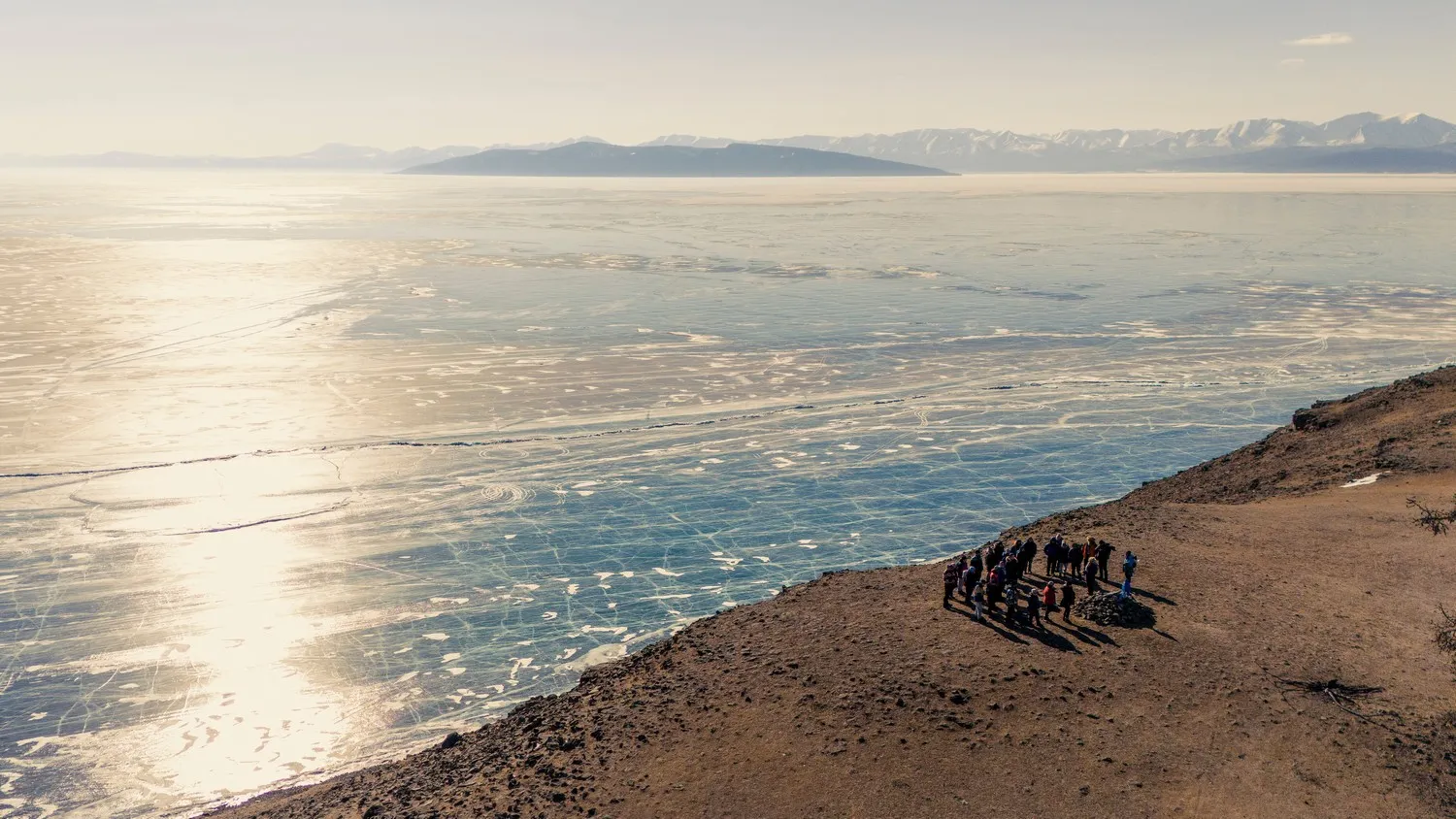
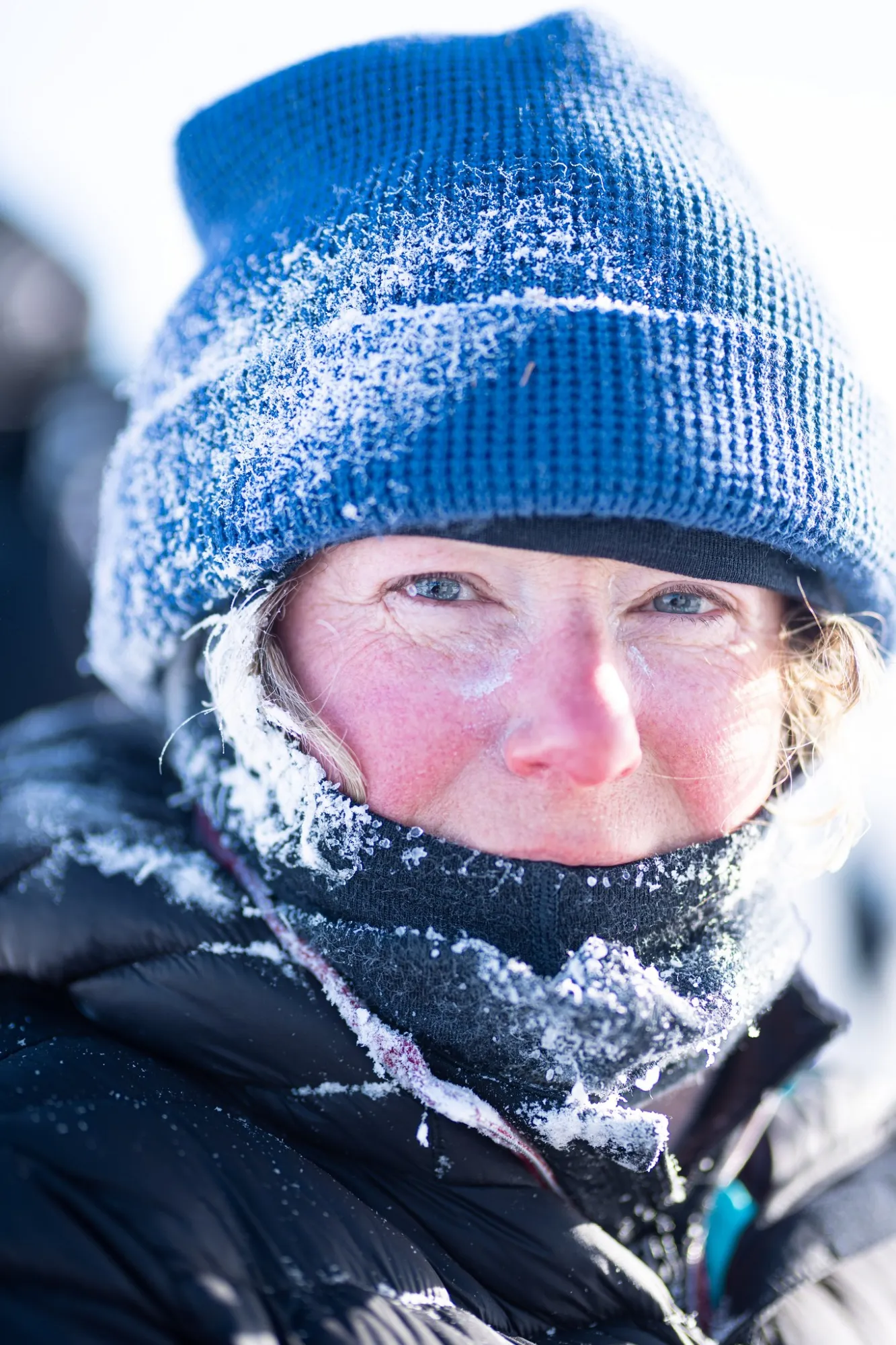
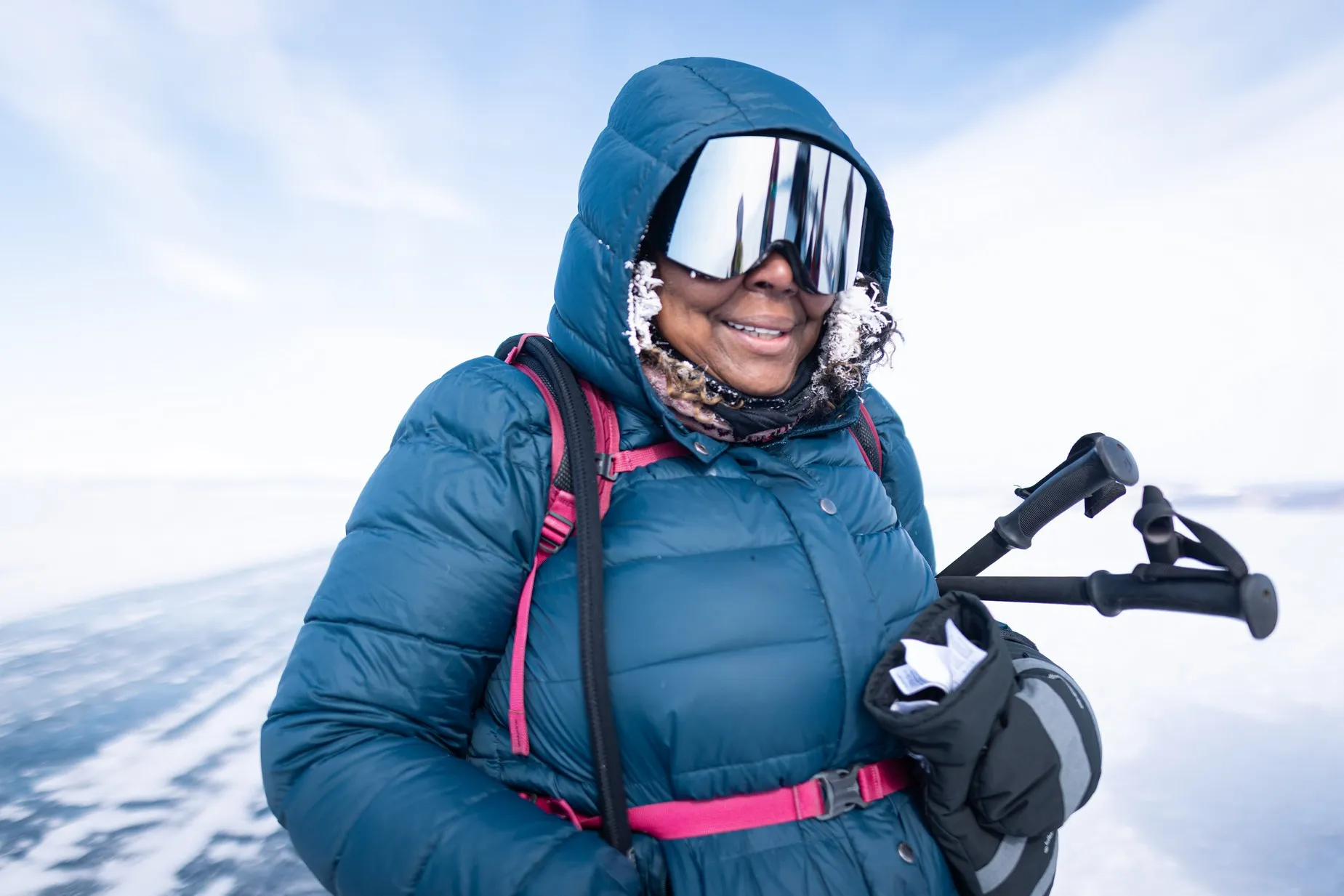
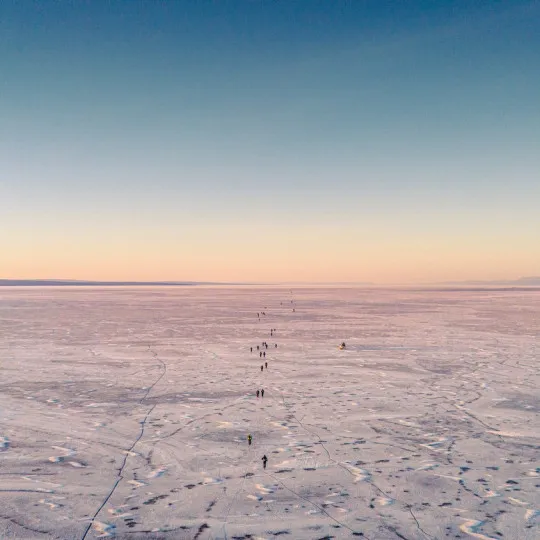
This is a truly unique challenge set in an extreme cold-weather environment. While much of the kit you’ll need is standard outdoor and endurance gear suitable for cold conditions, there are some specialist items that are absolutely essential, along with a number of comfort and safety items we require to ensure you are properly protected from the conditions.
MANDATORY KIT LIST
-
Balaclava (and spare)
-
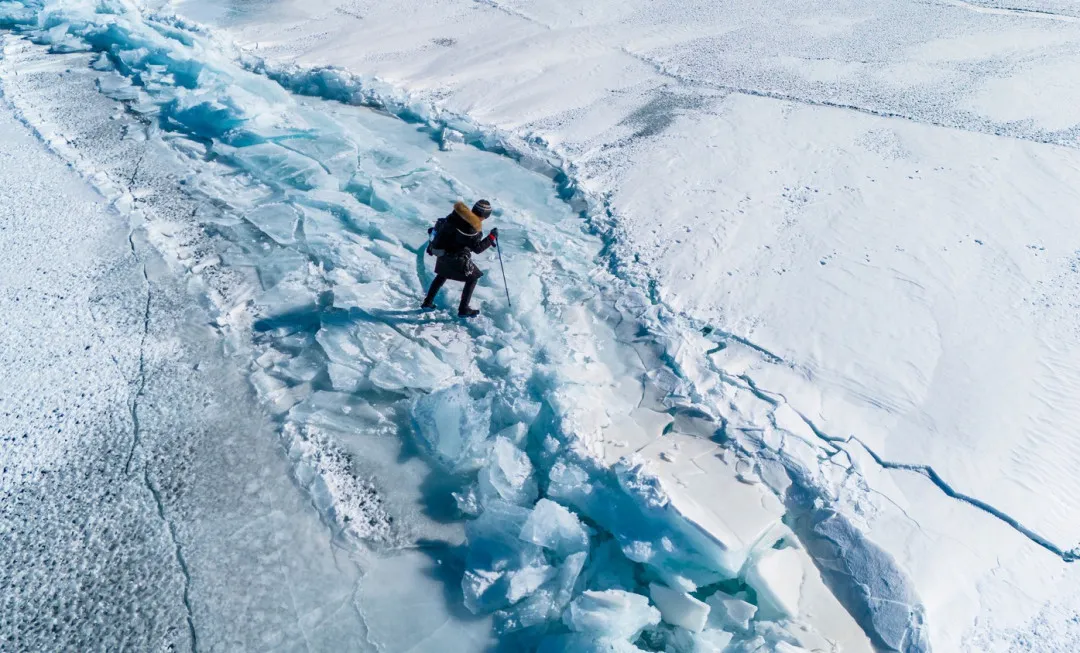
Spiked shoes or spiked/ studded attachments for shoes, like these
-
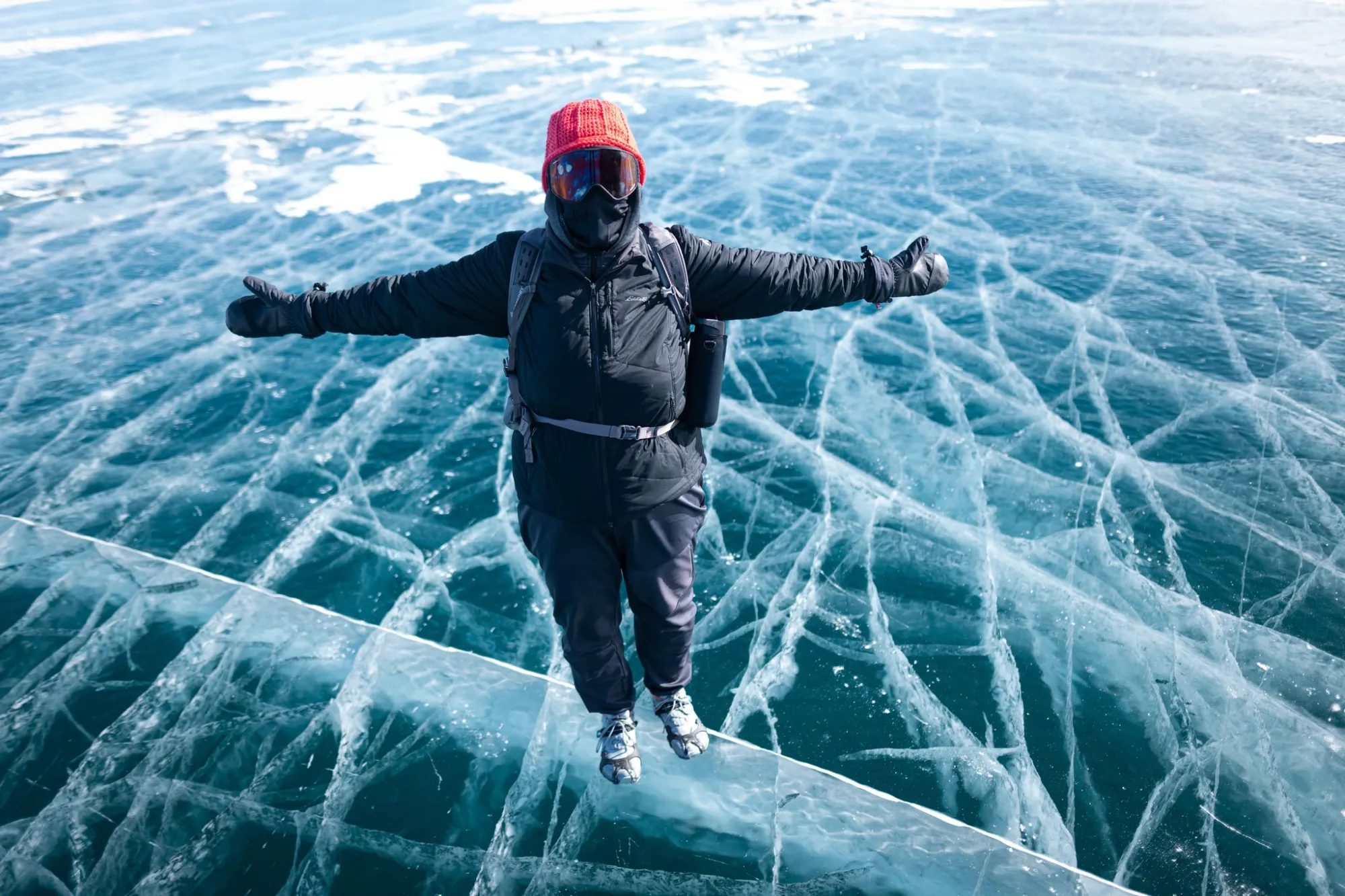
Waterproof shell outer garments – top and bottoms (must be able to fit over your insulation garments so please try your outer garments for size over this clothing)
-
Base layer(s) Multiple base layers for top and bottoms, plus spares
-
Mid layer(s) Multiple mid layers for top and bottoms, plus spares
-
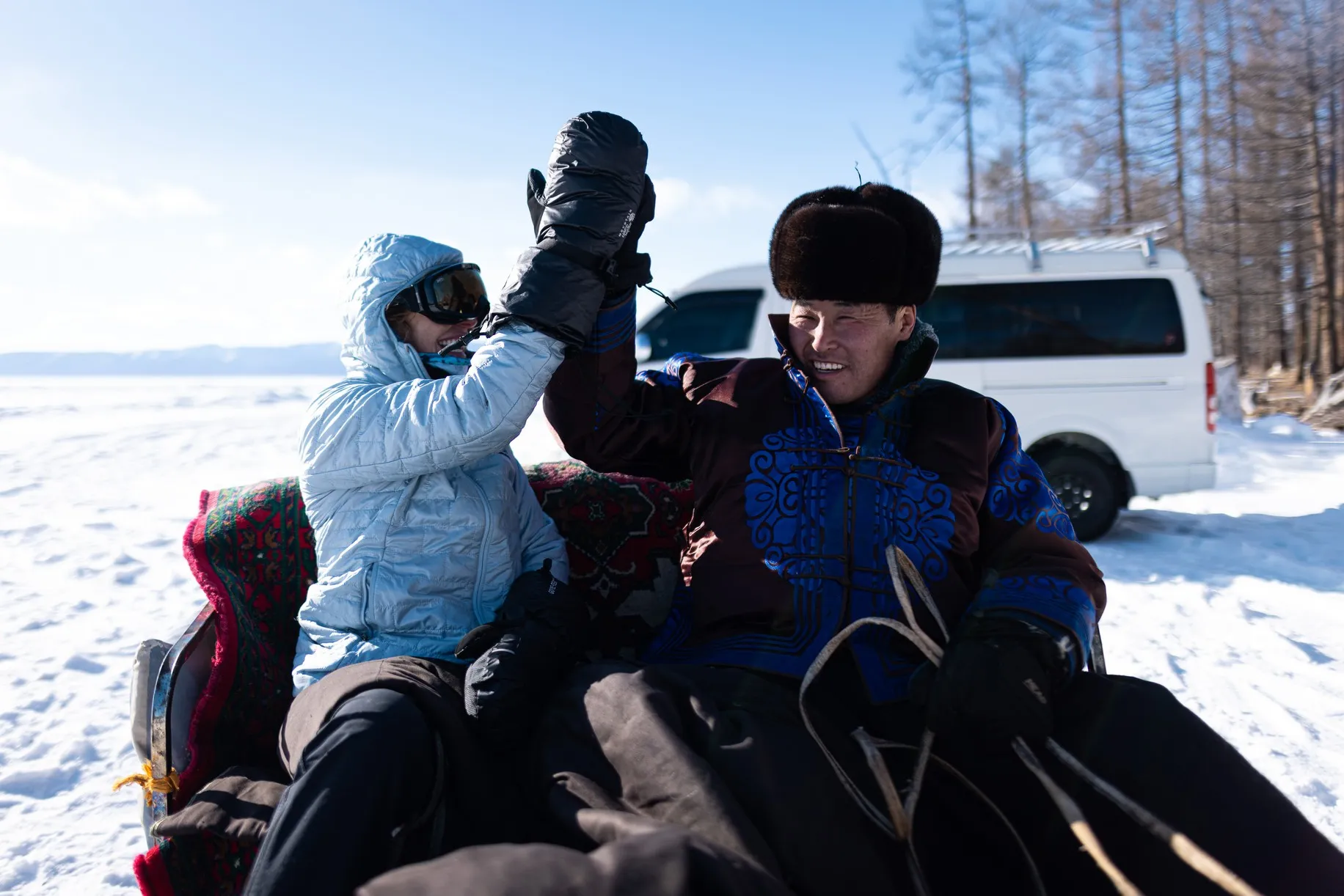
Outer layer: Good insulating outer garments for top and bottoms. These do NOT need to be waterproof (in fact, it is better if they are not). Precipitation is negligible in this area, so insulation is king, not waterproofing. For moving on the ice, lightweight down and loft-style outer layers are best. Windstopper-style and soft-shell trousers and tights are recommended for bottoms
-
Socks: Minimum of one liner sock and a thicker sock. Plus spares.
-
Liner gloves – fingered
-
Outer gloves – fingered
-
Over mitten or down/ loft mitten
-
Hat (plus spare)
-
Neck gaiter, Buff, Rat Rag, snood or fleece tube (plus spare)
-
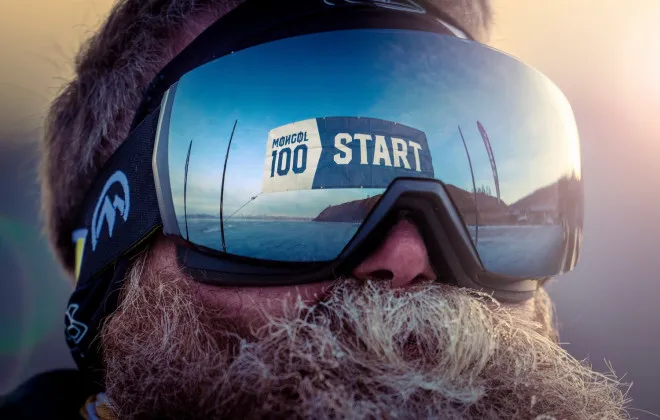
Goggles
-
Sunglasses
-
Underwear: A good pair of wicking underpants or sports knickers/ bra. Plus at least one change of underwear
-
Footwear with spiked/ studs embedded in the soles OR a spiked/ studded attachment that can be fitted to the shoe or boot.
-
Daypack: A small daypack (15 – 30l) to carry spare clothing, med kit and mandatory safety gear plus food/ drink. NB items like gels and energy bars are best kept in pockets close to your person, so they do not freeze. As is water.
-
Sleepwear kit: Base layer top and leggings, gloves, hat and socks. This should be kept just for sleeping ensuring you always have a comfortable, warm and dry layer.
Camplife
-
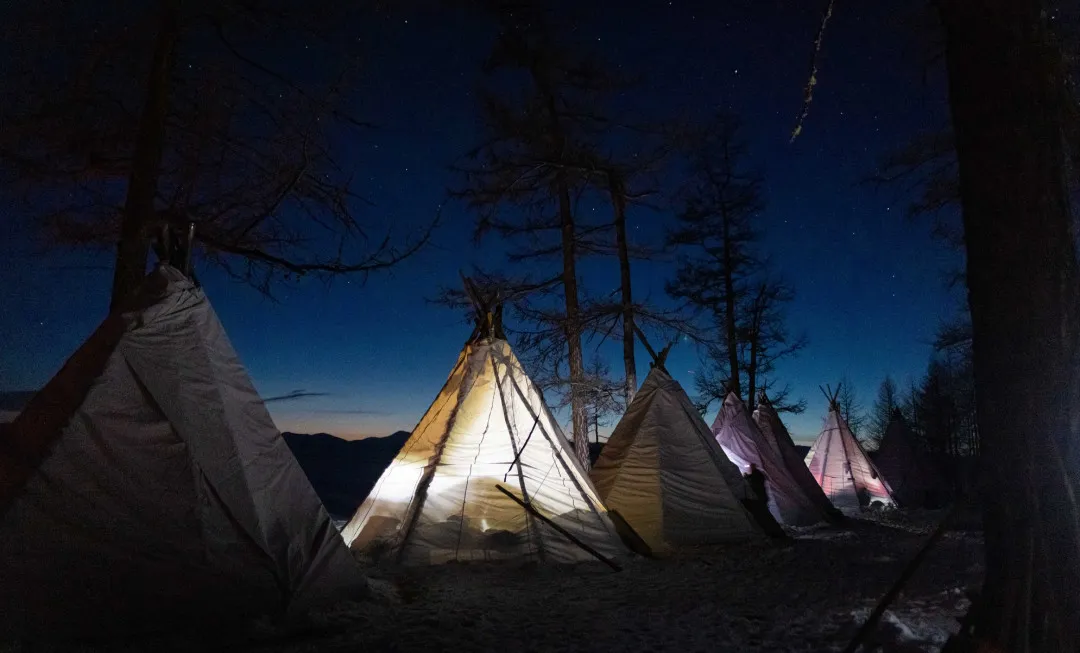
A 4 season down sleeping bag with a comfort rating of at least minus 25C
-
A foam roll mat will do but the much better choice is a therm-a-rest or other self inflating sleeping mat
-
Head-torch with spare batteries
-
Thick down jacket for use in camp (separate to outer layers used on the route)
-
2 x Water bottles – preferably with insulation
-
Knife, fork, spoon set
-
Plastic plate and bowl
-
Expedition meals
-
Personal toiletries and medications
-
Antibacterial wet wipes (baby wipes are best)
-
Roll of toilet paper
-
Anti-bacterial handwash
-
Suncream
-
Blister kit/ adhesive blister patches
-
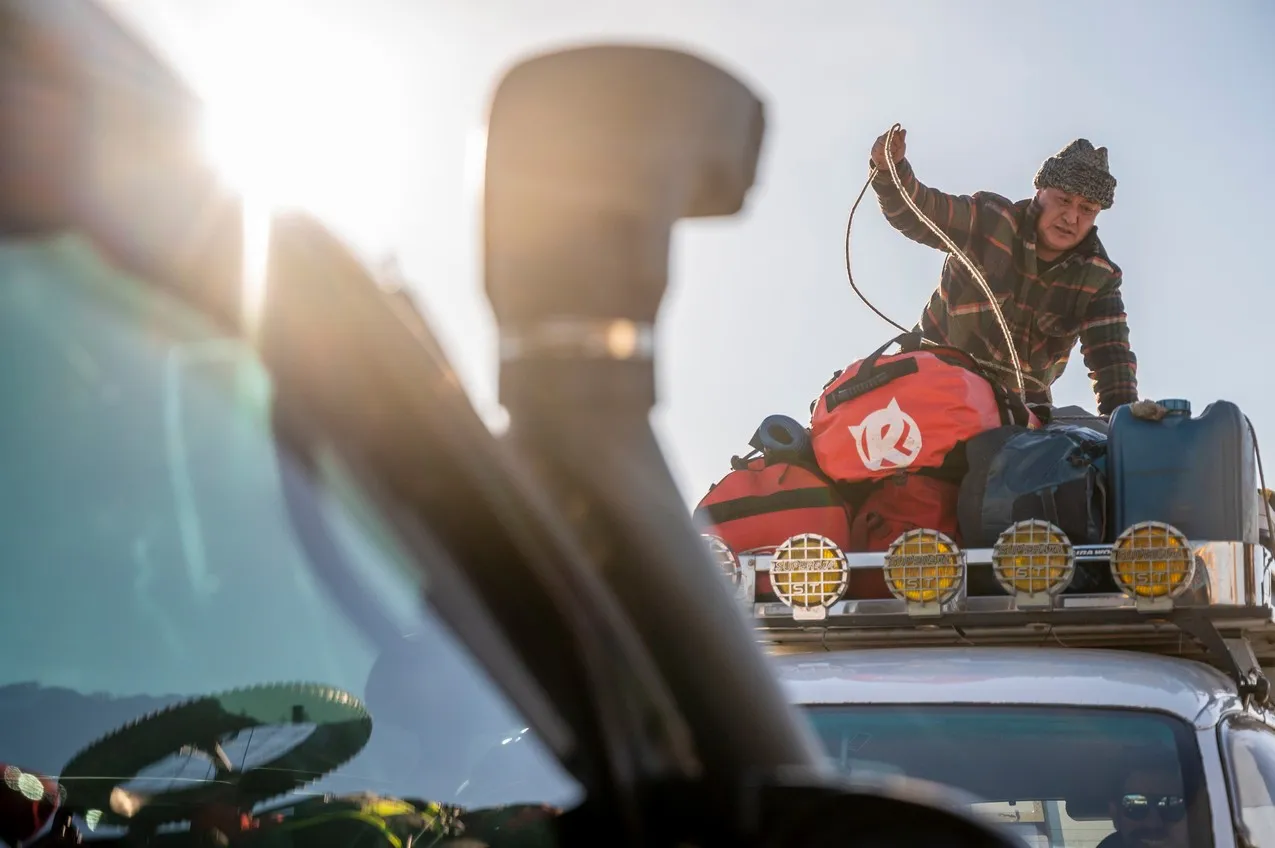
Holdall (to put all of your spare kit and overnight kit that you won’t be carrying in your daypack.
Additional mandatory kit list for cyclists
-
Fatbike or Mountain bike with spiked tyres*
-
Flat pedals (no cleats whatsoever, as you may need to cover some ground on foot whilst on the route and we require you to have the ability to attach ice studs to regular boots or shoes)
-
Bike box for transport of bike to/ from event (NOT cardboard box or soft bag; it does need to be a proper hardshell bike box)
-
Tools, spare inner tubes, pump
-
Helmet
-
Shoes
-
Gloves/ overmitts
* Fat bikes are preferred as the wide tyres at low pressures give a large contact patch with plenty of grip. Spiked tyres for use on ice are essential. They’re a specialist and pricey bit of kit but they work superbly and make the challenge super enjoyable. 45NRTH Dillinger tyres are the go to tyre for fat bikes and Schwalbe offer a range for different wheel sizes and widths.
Additional mandatory kit list for skaters
-
Detachable back-country skates*
-
Back-country x-country ski/ skate touring boot*
-
Poles (wither skating poles or x-country skiing poles). No basket is required
-
Helmet – rated for snowsports (multisport helmets are also fine)
*This is a highly specialist skating event with no real direct comparison. Ice conditions vary hugely, from smooth black ice you can glide across to rough, snow-covered or broken sections that are impossible to skate. Because of this, detachable touring skates are essential, allowing you to switch quickly to walking in boots with ice studs or spikes when needed. Figure skates and hockey boots are not suitable.
We recommend Lundhags T-skates with Rottefella bindings, which fit most cross-country touring boots.
For boots, you’ll need compatible cross-country touring boots with Rottefella bindings. It’s a simple interchangeable system, but as this is specialist kit, choice is limited, best sourced online or via Scandinavian retailers.