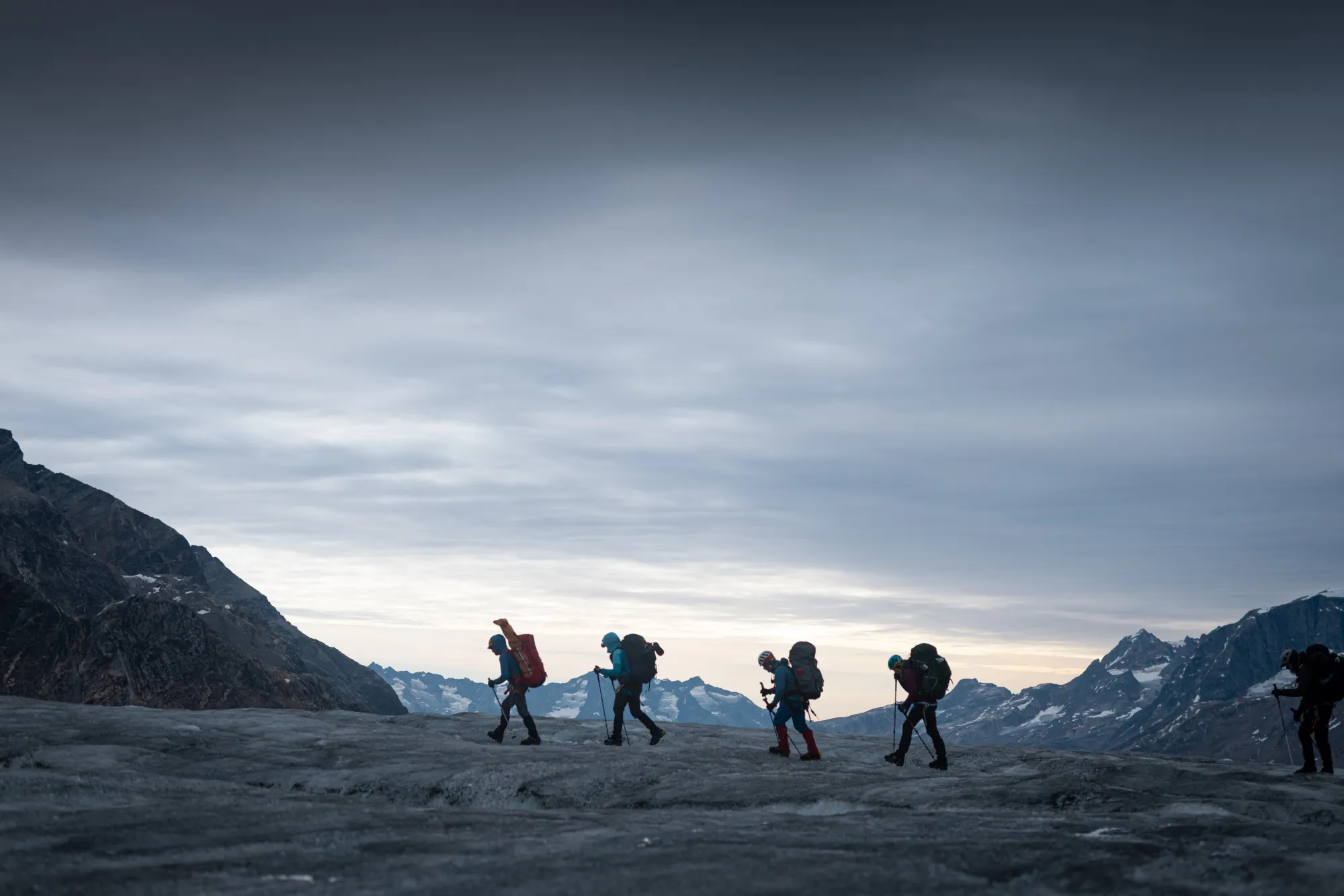
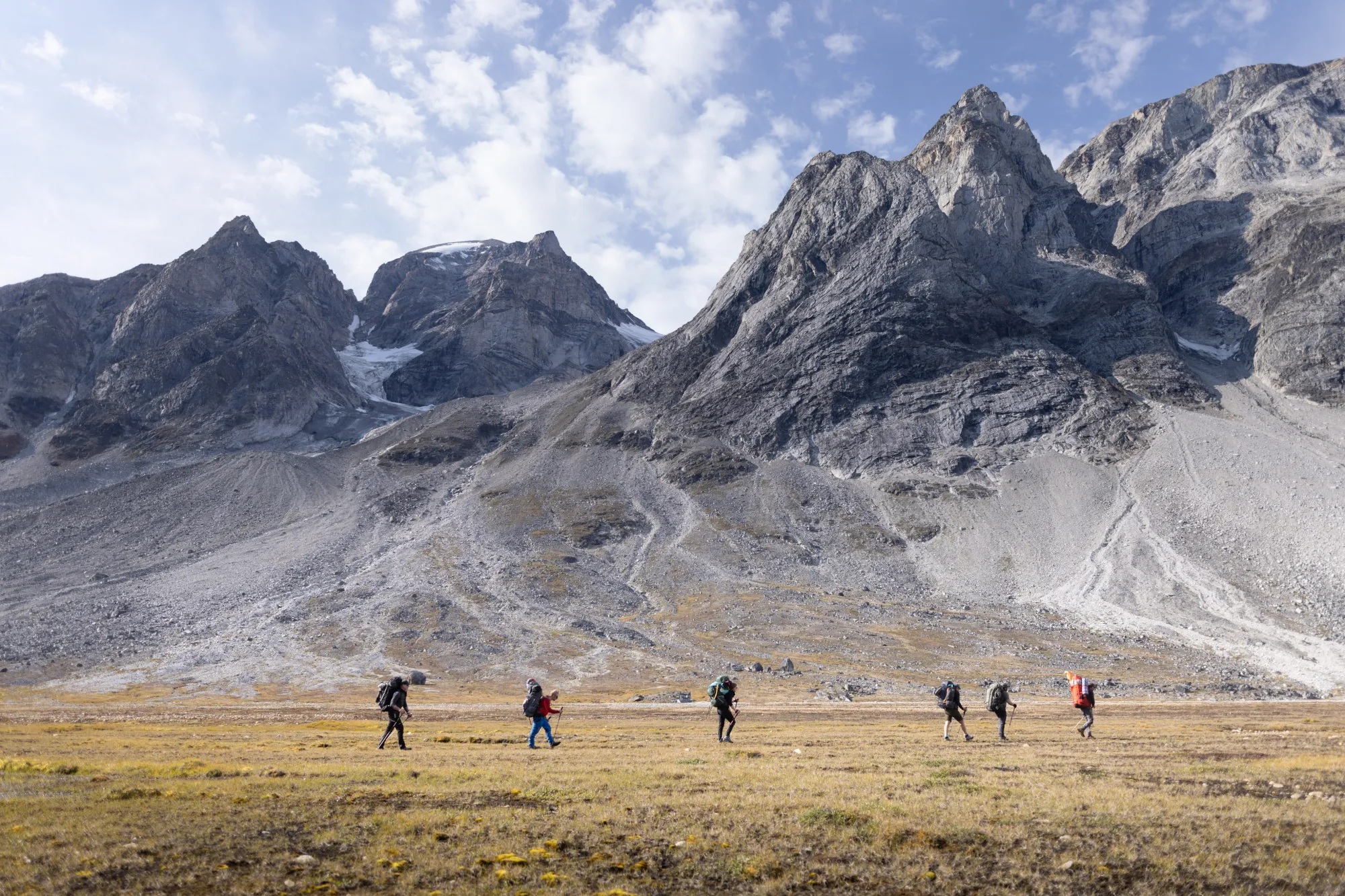
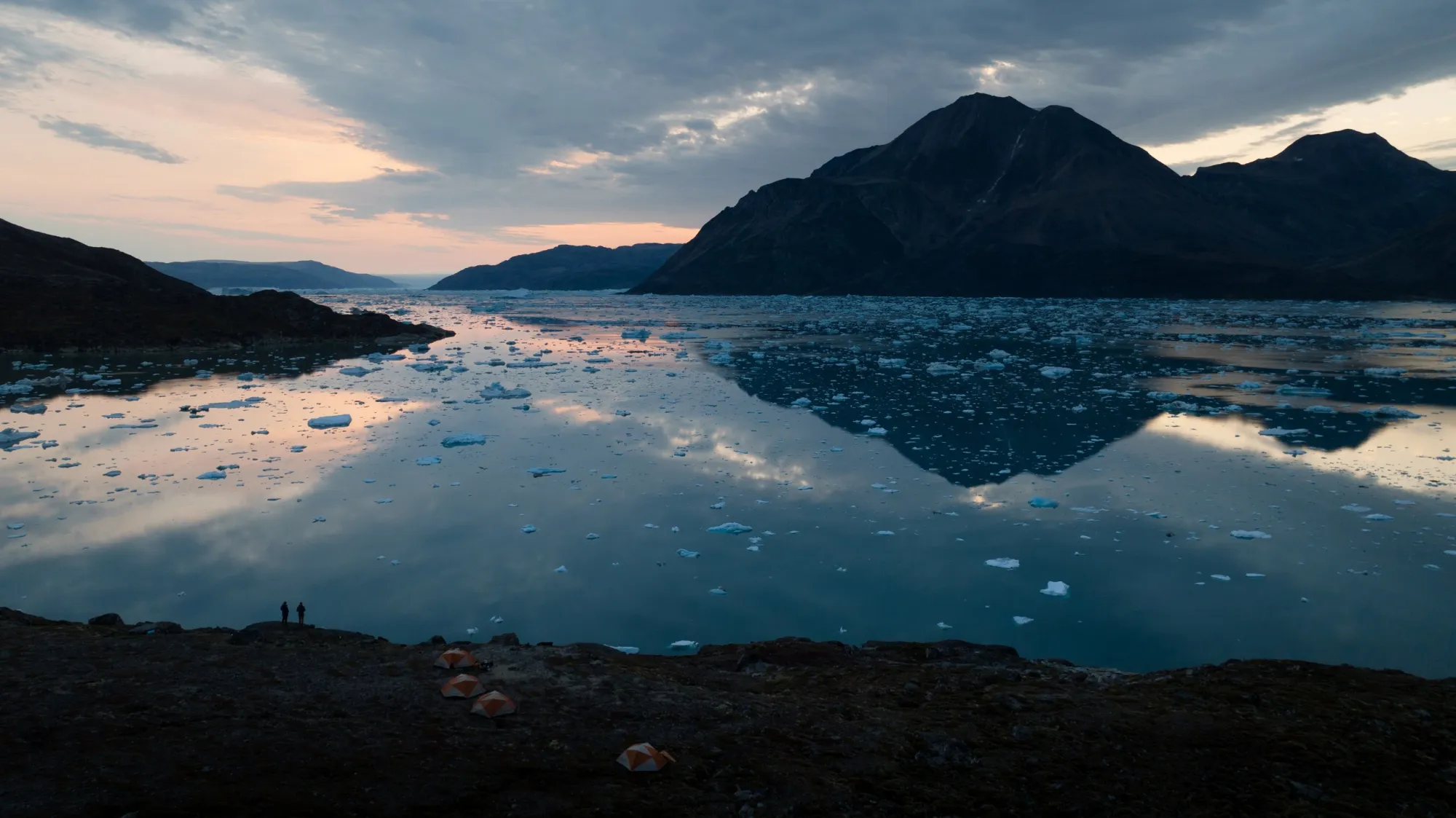
THE KIT LIST
East Greenland is a demanding place to go explore. The weather can be severe and, whilst we have a workshop and a very limited supply of spare kit, the nearest kit shop is 1000km away. It's worth following this list carefully and before setting off, checking that all your equipment is in good condition. We've partnered with Patagonia and NRS for some years now and after a lot of wild weather and expeditions, have a lot of trust in it. Where appropriate, suitable models are listed below.
Carrying everything in our kayaks, then on our backs, space is going to be at a premium; lightweight equipment makes a big difference in fitting everything in. Drop us a line with any questions...
KIT CHECKS AND NEW EQUIPMENT
Whatever equipment you choose to bring on the trip, please do make sure that new kit is broken in beforehand - it's a bad place to have blisters! Access to spare kit in Greenland is extremely limited so only tried-and-tested systems should make it into your kit bag. In such a serious environment, unsuitable or missing equipment may mean you won't be able to take part in some or all of the trip.
PACKING YOUR BAGS
The airline uses small prop planes to serve the route between Reykjavik and the gravel airstrip in Kulusuk. It's worth travelling as light as possible as on rare occasions the airline has left excess baggage behind.
Baggage reclaim in Kulusuk consists of a tractor with a trailer. Your kit will then be transported back to the lodge by ATV. We'd recommend that any breakable items are carried and that the contents of your hold luggage are well protected and waterproofed.
FOR THE LODGE
· Casual clothes. To help us keep the lodge clean please make sure you bring a set of clothes to wear here – no sweaty outdoor clothing/thermals in the lodge please.
· Hut slippers. Comfortable indoor shoes to be worn around the lodge, Crocs or similar.
· Towel
CLOTHING AND FOOTWEAR
We must prepare for a range of temperatures and conditions. We aim for a light clothing system that blocks the wind and rain but also keeps us cool in the sun. The key is having clothing that can wick moisture away in the heat and dry quickly if wet, having a warm insulated jacket to hand for breaks and to use lightweight but effective waterproofs. Whilst there are many bits of clothing that work brilliantly alone, they tend to be single-use (i.e. a heavy softshell). Thinner layers that can be worn alone or layered together tend to be most suitable.
· Underwear. Merino wool or synthetic.
· Base layer tops. 2 long sleeve tops, and a short sleeve version if you prefer for warmer days. We’d recommend merino wool, which wicks moisture away and smells less than synthetic. Smartwool or Icebreaker.
· Base layer pants. 1 pair. Evenings in camp can be very cool and these will make a big difference, particularly if you decide not to bring insulated pants (see below). Patagonia Capilene bottoms.
· Mid layer top. Merino wool or Powerstretch works well. Patagonia’s R1 Hoody range.
· Super-light softshell/wind shell. We use these most days, often hiking in only this and a thin base layer. They breathe well on warmer days and keep the wind off on those breezier days. Patagonia’s Houdini or Houdini Air are ideal.
· Hiking pants. 1 lightweight and fast-drying pants or leggings. Patagonia Causey Pike pants.
· Lightweight insulated jacket. Perfect for layering over a wind shell or waterproof jacket during breaks. An invaluable piece of kit for any day out in the mountains. Synthetic handles moisture better than down but down packs smaller. Patagonia Micro Puff Hoody.
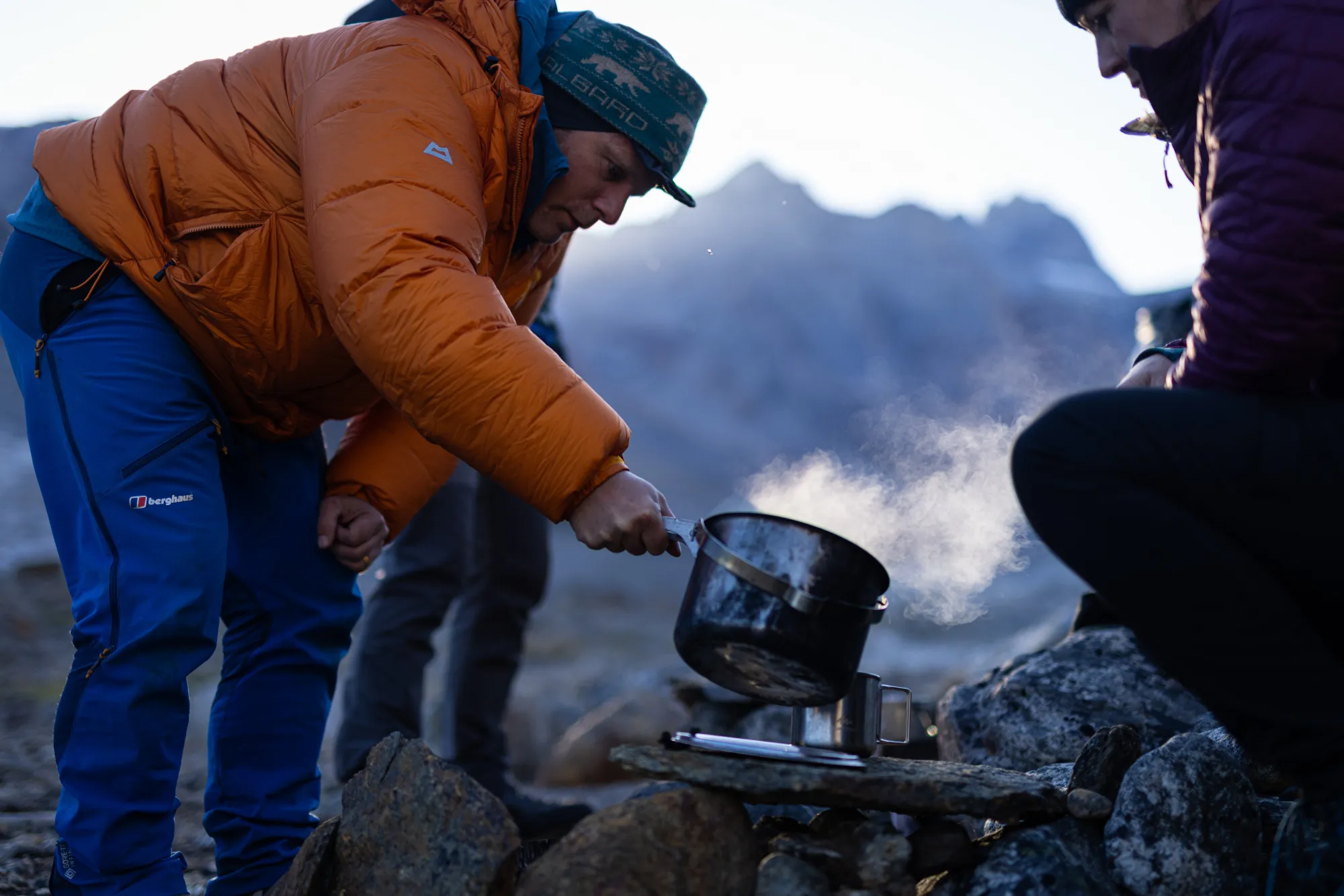
· Insulated jacket. An essential piece of clothing. Lightweight down jackets don’t provide enough warmth on the cooler days, and particularly evenings, that we can experience in Greenland. This is particularly true when camping high up on the glaciers, where we can often experience a cold evening breeze. They’re also a vital piece of kit in an emergency, when we may be forced to wait for a prolonged period. Down packs much smaller than synthetic. Please contact us if you're unsure about the suitability of your jacket or if you’d like to hire one. Patagonia Fitz Roy Down Parka.
· Waterproof/breathable jacket & pants. These must provide full storm cover but should ideally be as light as possible. Underarm vents are useful but not essential. We'll be carrying these for much of the trip, however, they must be up to the job of keeping the elements out when required to do so. A hood is essential. Patagonia Calcite Jacket & Pants.
· Warm hat/beanie.
· Gloves. Two pairs recommended – one thin lightweight pair and one thicker windproof/waterproof pair. Must be dexterous to use with an ice axe or rope.
· Buff. Useful for all sorts, sun protection, extra warmth on windy days, a headband etc.
· Socks. Three pairs. These should form part of a tried and tested sock/boot combination. Make sure they’re in good condition. Remember your liner socks if you use them.
· Sun hat. Peaked cap or wide-brimmed hat.
· Gaiters. A lightweight pair of ordinary alpine gaiters or a pair of ankle-length ones are great and much lighter. Really useful over moraine banks, in boggy ground and during wet days.
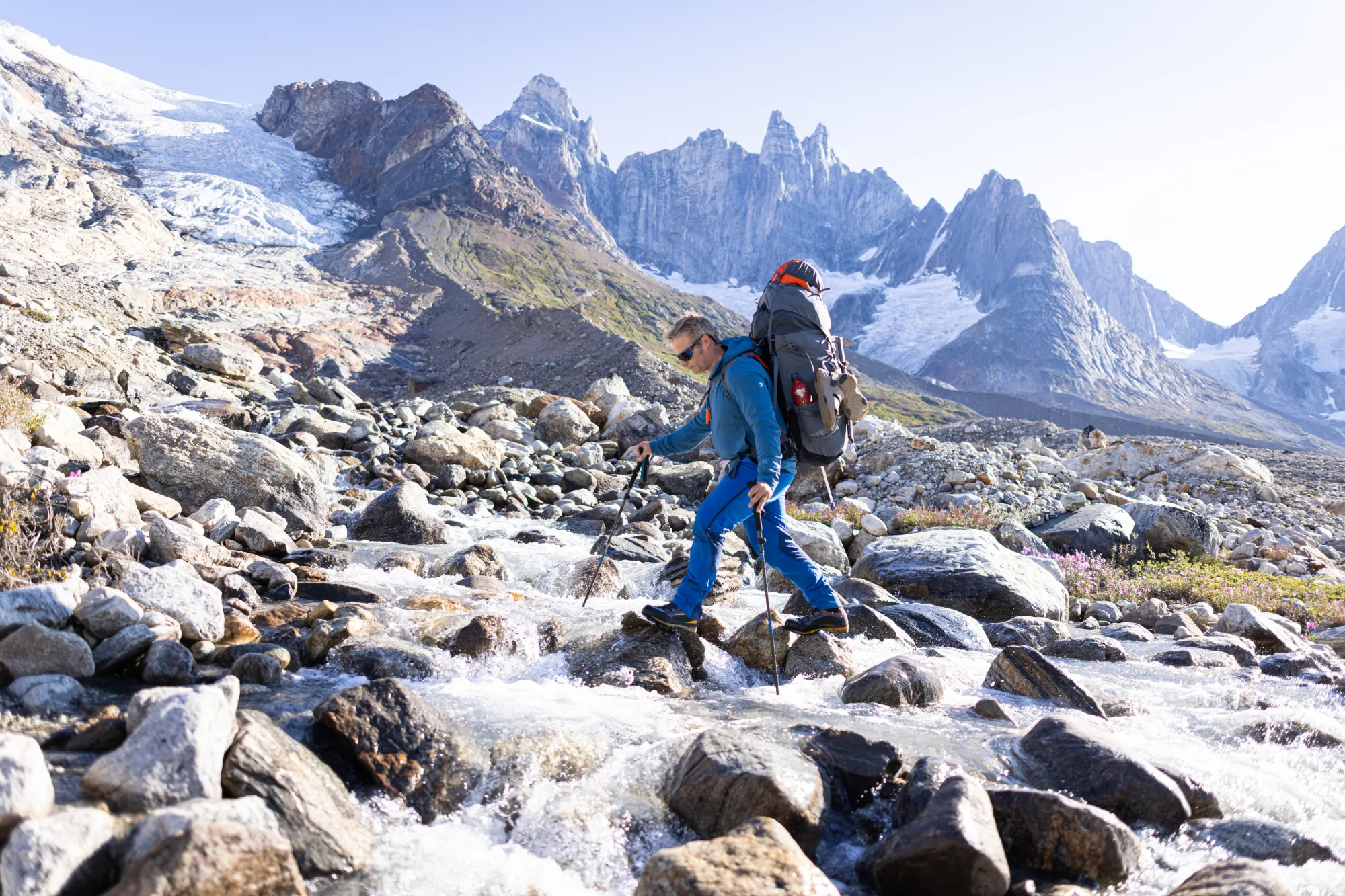
· Boots. 3/4 season. They must be at least B1 rated to take a strap-on crampon. Make sure your boots are in good condition; they should have good soles with plenty of tread remaining, provide plenty of ankle support, and be waterproof. Make sure they’re comfy – any new boots should be well worn in before you arrive in Greenland. La Sportiva Trango Tower GTX or similar.
· Lightweight wetsuit boots or lightweight sandals with wetsuit/waterproof socks. It’s very likely that we’ll take off walking boots for a few river crossings, so you must bring one of these options with you. It’s essential that they provide some toe protection as riverbeds are usually very rocky. If you can find them, the Teva Barracuda sandal, paired with a waterproof/wetsuit sock works well. Otherwise, wetsuit boots with a good sole is a great option. The water here is extremely cold so if you’re bringing sandals, it’s vital that you have a wetsuit/waterproof sock to pair with them. Please also make sure that you can securely tighten any footwear to avoid losing sandals.
· Sunglasses. Suitable for high light conditions. Minimum Category 3. Full eye cover. Julbo are a great brand. It’s worth bringing a spare pair too.
· Gilet/vest. Thin synthetic or Powerstretch/softshell vest to wear over outer layers on the coolest mornings or windy days. A gilet can provide that extra bit of warmth to the core without making you overheat. Patagonia Nano-Air Vest.
· Synthetic insulated pants. Optional but highly recommended for evenings in camp, particularly this time of year. Evenings can get very cool and these will make your time around the camp much more comfortable. Bear in mind pack size. Patagonia Nano Puff Pants.
PERSONAL AND OVERNIGHT EQUIPMENT
· Rucksack. 90-100 litres. It’s essential to leave home with plenty of space left for extra group kit (tents, stoves, safety kit, food and fuel). If you’re buying a new pack, make absolutely certain that it’s comfortable before arriving in Greenland. We strongly advise you to pack everything inside your sack as it’s very easy to damage any items which are strapped onto the outside when putting your pack down. Look for plenty of adjustment in both the waist belt and back system.
· Dry bags. It's essential that you're able to keep kit dry in your kayak and your rucksack - these are a must, particularly for your sleeping bag and spare clothes. Also, a great way to organise the kit inside your pack. Exped or Sea to Summit.
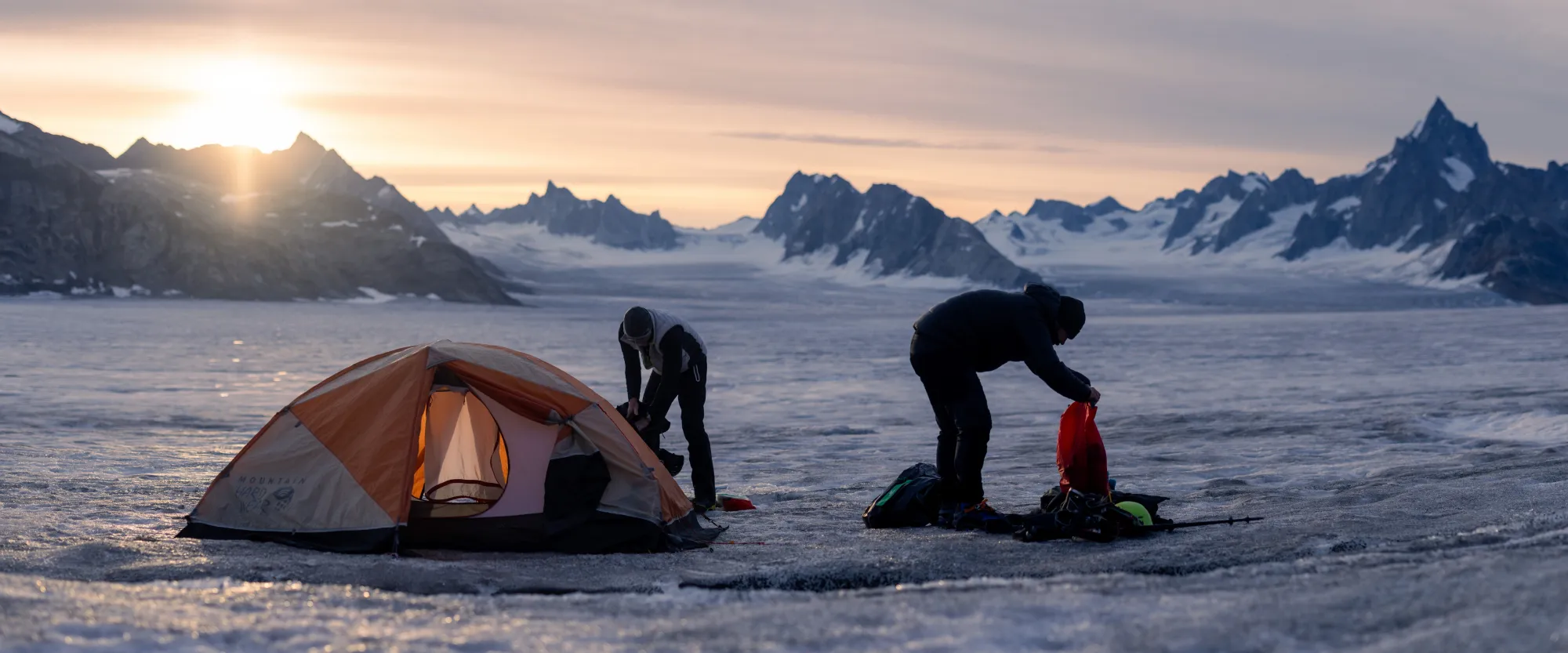
· Sleeping bag. A good quality 3 season bag. Temperatures may drop very to around 0 Celsius overnight, particularly when we're up on the glaciers, so bring a sleeping bag that is comfortable a few degrees below this. Although less effective when damp (be careful to avoid spills!) down bags are generally warmer, lighter, and pack down smaller than synthetic - some of the best will pack down not much bigger than a 1 litre Nalgene bottle! Mountain Hardwear and Rab make some good sleeping bags. Must be packed in a dry bag.
· Sleeping mat. It’s possible to shave significant weight from your rucksack with a lightweight mat. We’d recommend going for a super-light inflatable mat which is comfortable and ideal for long, lightweight backpacking expeditions. These are much more effective (and pack smaller) than foam mats. Make sure you bring a small repair kit (Seam Grip generally works well, and most mats come with a small kit). Both Thermarest and Exped make a range of mats weighing just a few hundred grams.
· Emergency survival bag. A tiny, lightweight and reusable survival bag. The best we've found is the Adventure Medical Kits SOL Emergency Bivvy Bag (ignore the thicker/insulated versions, and full weight bivvy bags/group shelters - these are much too bulky/heavy).
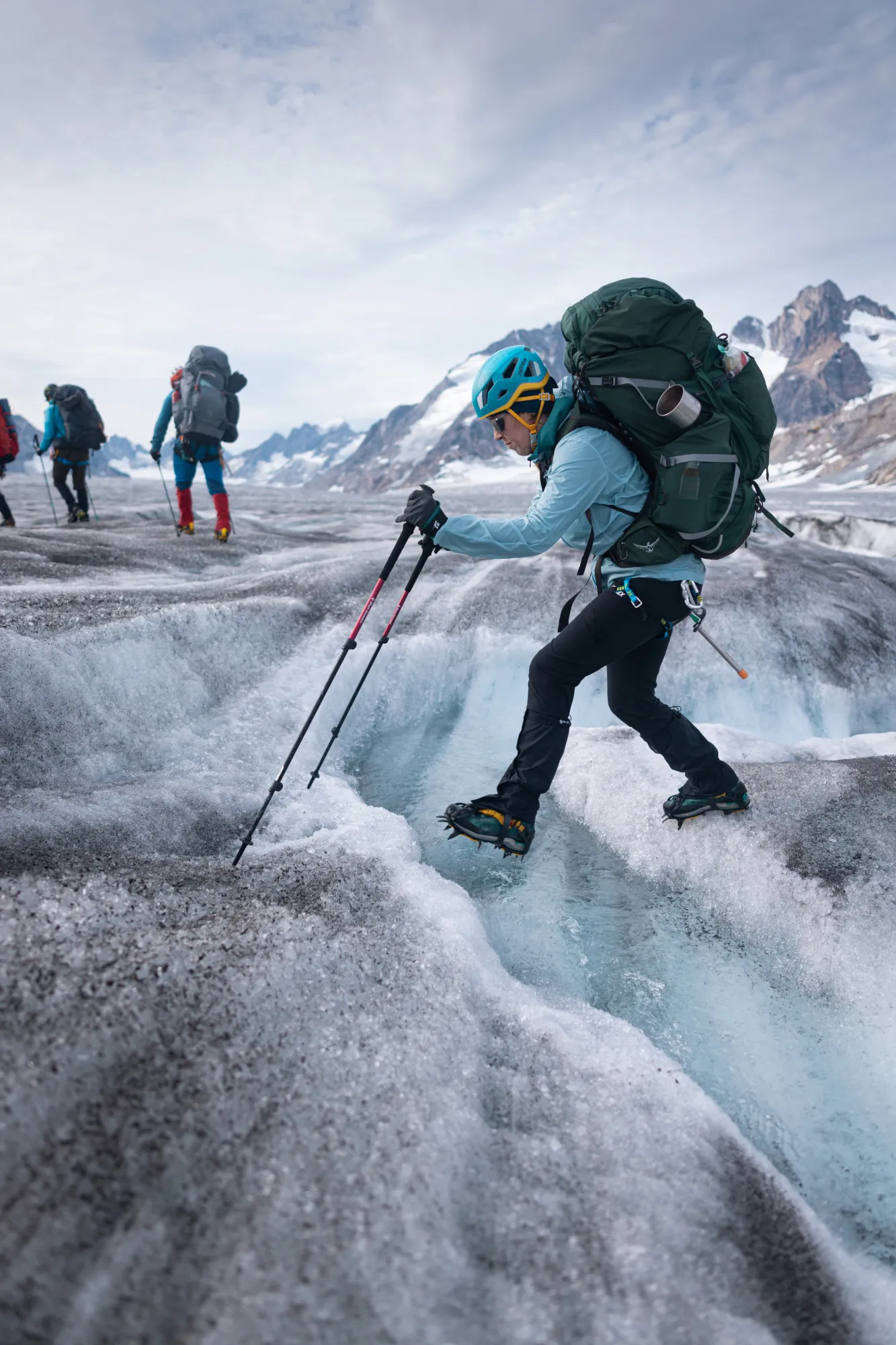
· Trekking poles (a pair). Essential for this trip. We’ll spend all of our time on very rough terrain, carrying a heavy pack, so these will go a long way to protect knees and ankles. They’re also a must for river crossings when they provide a huge amount of extra support. There are a range of poles available that pack up into small foldable sections, e.g. Black Diamond Z-poles. Be wary of carbon versions as they can break easily on the numerous boulder fields we'll encounter. If you've never used poles before, practice before you arrive!
· Water bottle(s). Enough to carry 2 litres. Platypus foldable bottles work really well, packing down super small when they're empty - Nalgene bottles tend to take up much more space but are more robust. Water carriers without drinking tubes are much easier to remove from a rucksack to fill from streams during the day. We don’t tend to filter/treat water.
· Watch. With alarm.
· Headtorch. Lightweight LED type recommended, plus spare batteries. e.g. Petzl or Black Diamond
· Mug. Big enough to enjoy a good cup of tea/coffee! Sea to Summit’s X-cup is great, folding flat when not in use.
· Bowl. Again, Sea to Summit’s X-bowl is great.
· Spoon. A long-handled, metal version is best for freeze-dried food packets. Optimus or Sea to Summit.
Optional items
· Camera and lenses. A protective, waterproof case is essential. Bring spare batteries, fully charged.
· Battery pack. For charging electrical items.
· Book. Packed in a dry bag. Great for any bad weather days.
TECHNICAL EQUIPMENT
We have all of the items below available for rent if required.
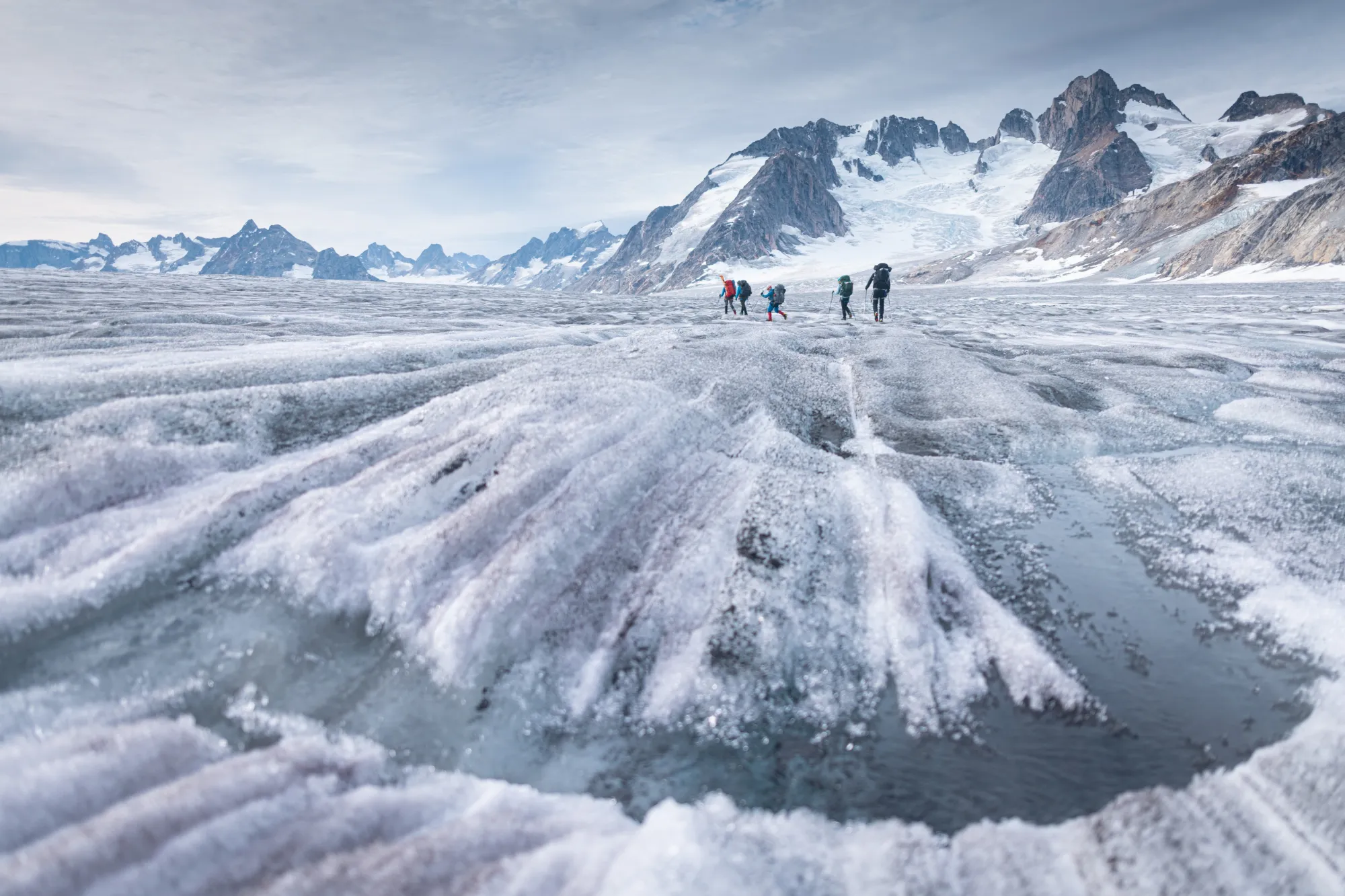
· Ice axe. A lightweight alloy version with a steel pick. Petzl Gully or similar.
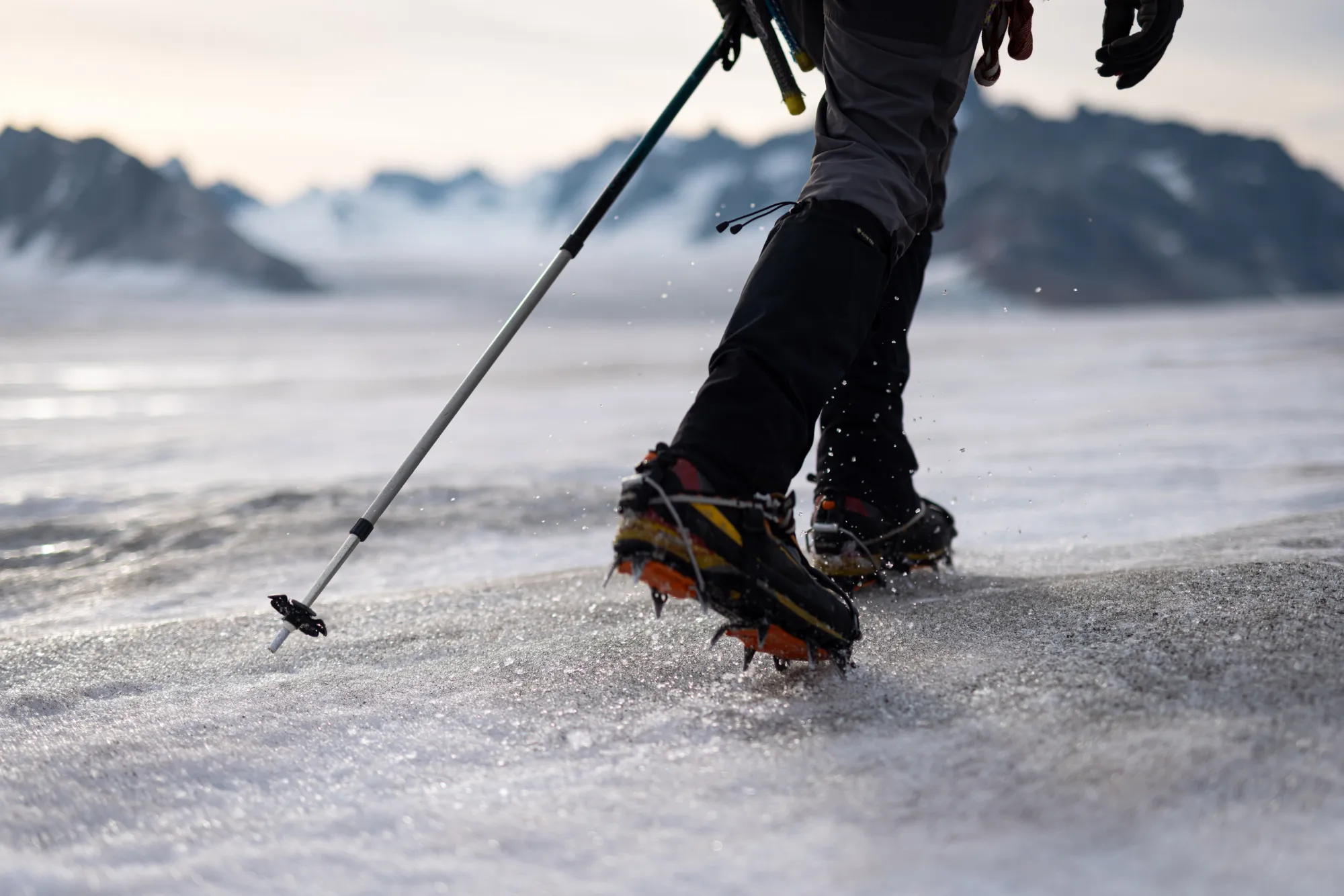
· Crampons. 12-point classic steel mountaineering crampons, preferably without vertical front points. Anti-balling plates essential (to stop snow build-up). Petzl Vasak or similar.
· Mountaineering helmet. Look for something lightweight and well-vented. Petzl Meteor.
· Harness. Lightweight & comfortable. Petzl Altitude or similar.
· Ice screw. 17cm Petzl Laser Speed Light recommended.
· Slings. 1 x 60cm
· Locking karabiners. 2 x lightweight HMS. Petzl Attache or similar.
PADDLING KIT
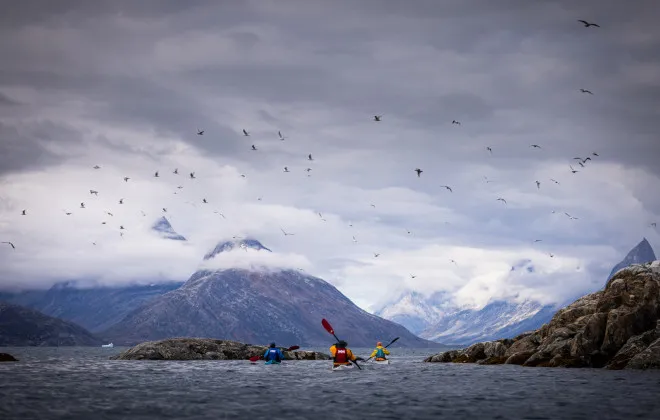
· Boat, deck, paddle. We provide these.
· Drysuit, PFD, wetsuit boots. We can provide these if required - please provide sizing info as soon as possible to make sure we have kit that fits.
· Paddle mitts. We provide these.
OTHER ITEMS
· Travel towel. A lightweight and quick-drying travel towel needs to pack up small.
· Basic toiletries. Please bring bio-degradable soaps etc. with you and bear in mind that wet wipes need to be carried out, not buried (they don't burn). Sea to Summit make small, bio-degradable, soap ‘leaves’ that dissolve easily in water and are easy to carry.
· Sun cream, lip block & lip balm. High factor (50+). We use a small bottle which we keep in a convenient pocket to re-apply regularly.
· Medication/first aid. Any prescribed medication, some pain relief and anti-inflammatory, plus blister kit and a small tube of antiseptic cream.
· Personal antibiotics. Wide spectrum as prescribed by your doctor.
· Electrolyte drink powder. Useful for replenishing salts and minerals after a long day in the mountains.
· Any spare parts or tools required for your equipment.
· Mosquito head net. Mosquitoes are not that common but can be around at this time of year. If it has been wet before or during your trip, there can be a re-hatch. A must-have for the occasional bad day.
· Insect repellent. One small bottle.
· Repair kit. A basic kit to make simple repairs; duck tape, needle and thread, repair glue, cord.
· Lighters. Two, stash them in a zip lock bag.
· Multi-tool. A Leatherman or similar. One of the lighter, smaller models - one among the team is fine.
GROUP KIT
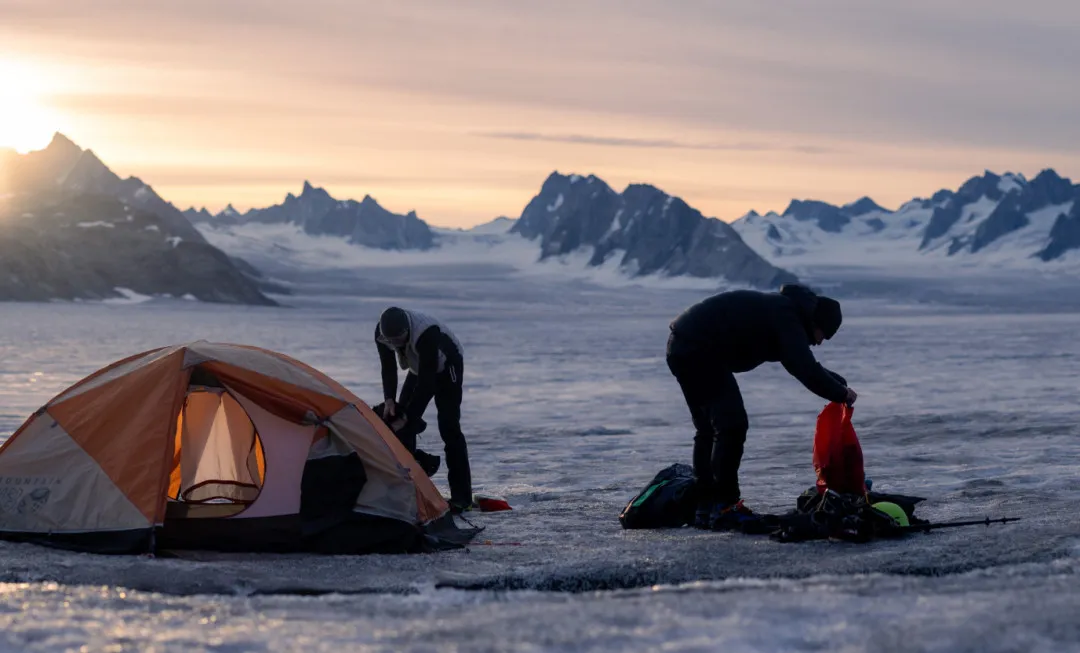
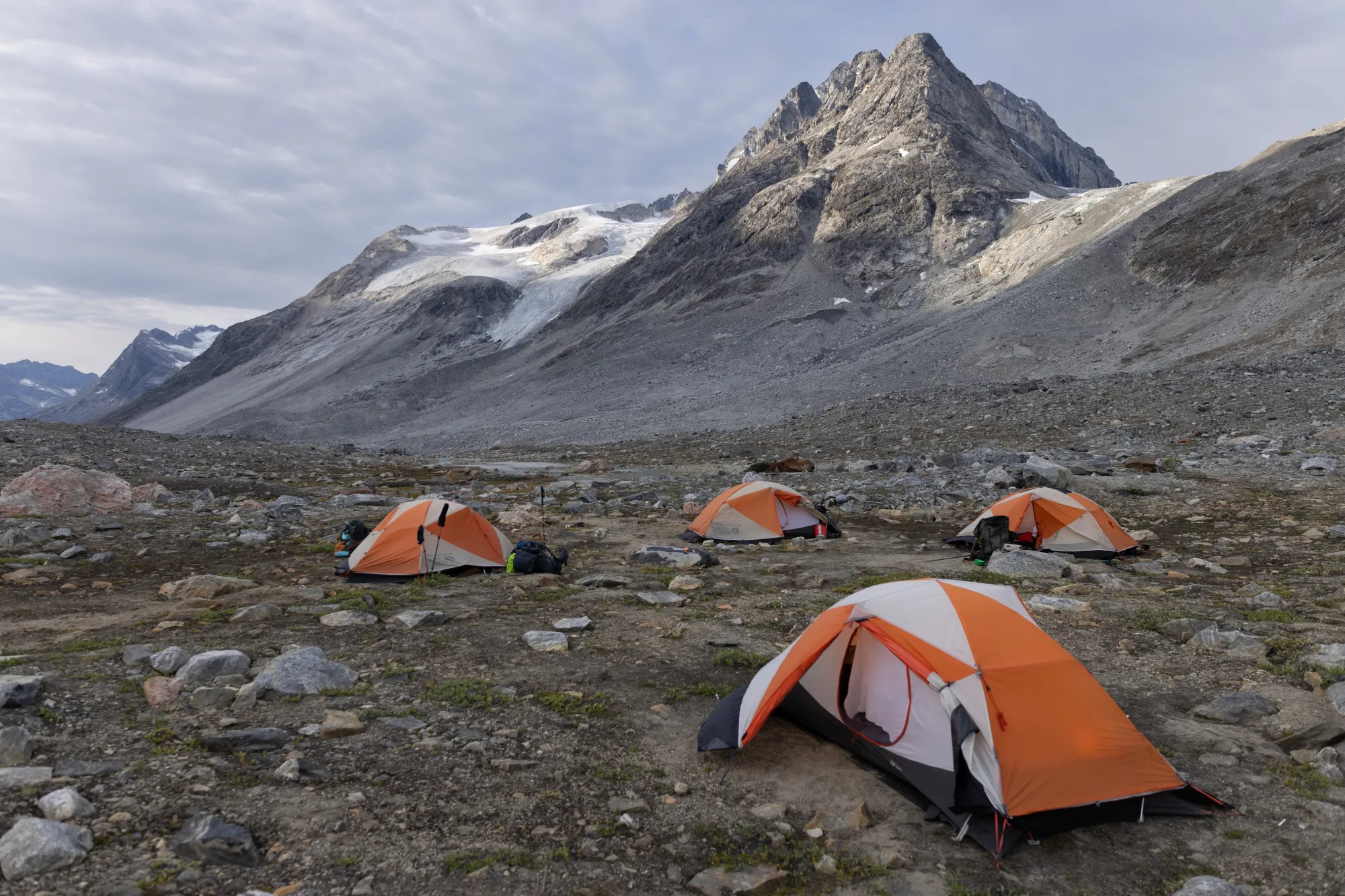
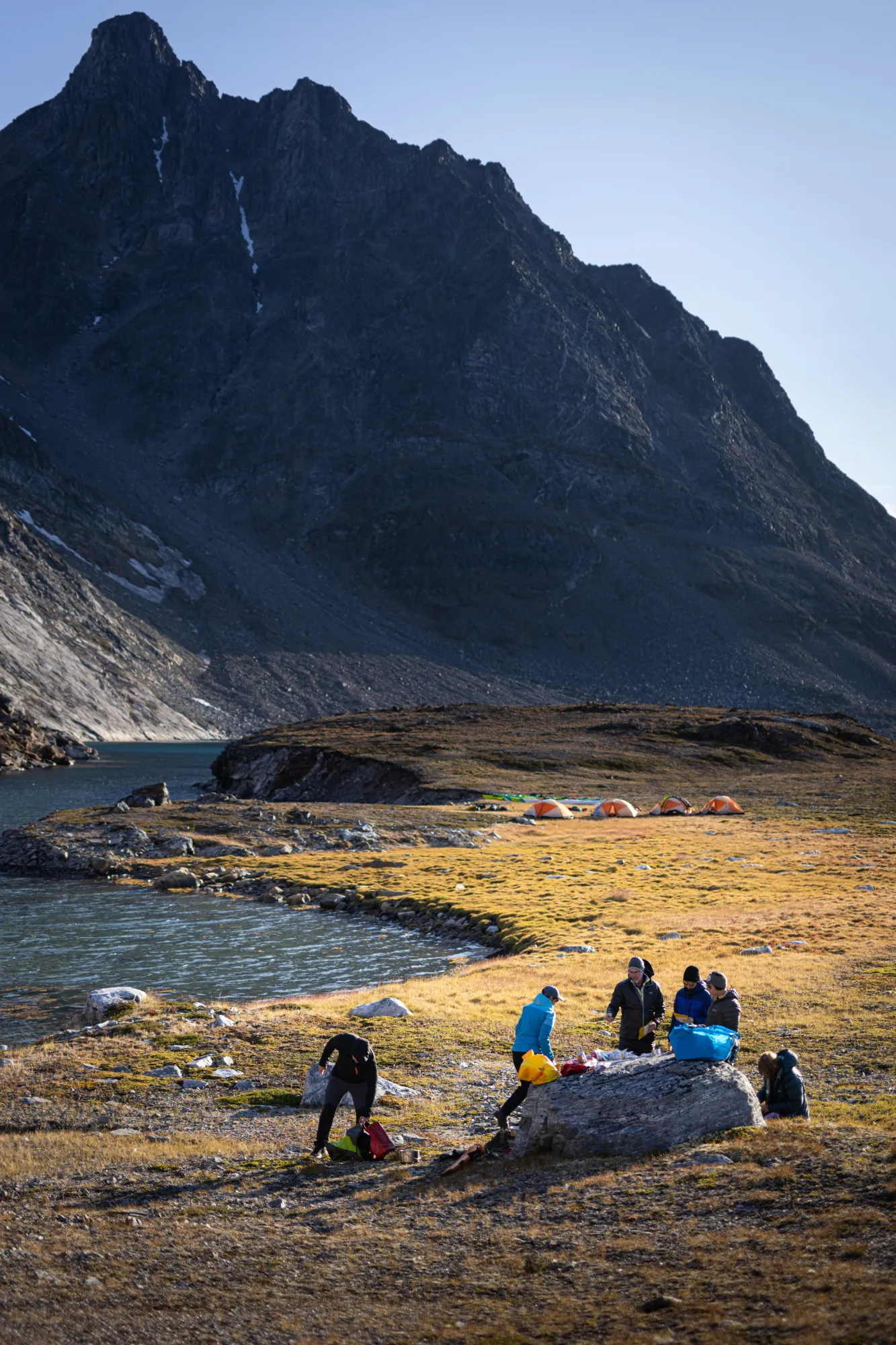
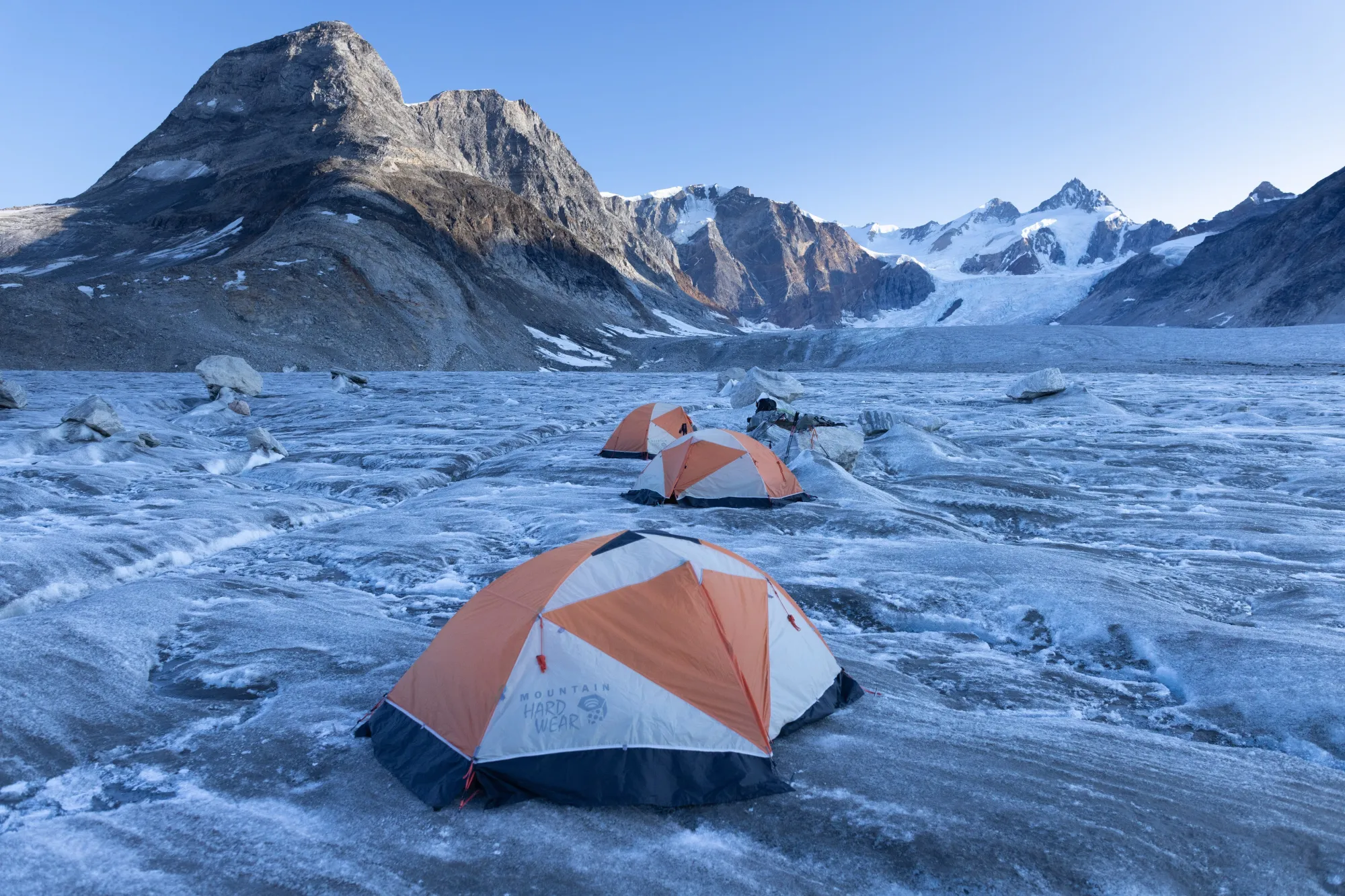
As well as your own personal equipment listed below, you’ll also need to have space in your pack for food and expedition equipment. We’d recommend packing your bag with all of your personal equipment well in advance of the trek, to make sure you’ll have enough space remaining – it’s best not to strap anything to the outside of your pack as it’s very easy to damage things on the rough ground when putting packs down. Amongst the team, we’ll need to carry tents (usually split between 2 people), stoves, fuel, pans and some essential safety kit. We use lightweight mountaineering tents for 2 people, and will pare down expedition equipment as much as possible to carry only what’s necessary. All in, your food will weigh approx. 800 grams per day.
RENTAL EQUIPMENT
Please let us know as soon as possible to enquire about availability. Equipment to be collected in Greenland at the start of your trip.
· Down jacket. £80.
· Ice axe. £15.
· Harness and glacier travel equipment (slings, ice screws and karabiners). £25.
· Helmet. £15.
· Crampons. £20